


As Sir David Attenborough turns 100, we revisit the breathtaking safaris, remote islands, rainforests, and polar expeditions that inspired generations of travellers to see the natural world differently.
For nearly a century, Sir David Attenborough has taken audiences far beyond the familiar — into rainforests alive with birdsong, across the frozen silence of Antarctica, and beneath the restless depths of the Pacific Ocean. His documentaries did more than showcase the natural world; they ignited a longing to experience it firsthand. Entire generations of travellers, conservationists, and wildlife lovers have been inspired by the landscapes and creatures that unfolded through his unmistakable narration, compelling them to venture into some of the world’s most remote and biologically rich destinations. In doing so, his work also helped usher in a more conscious era of travel — one increasingly shaped by sustainability, ethical safaris, and immersive wildlife experiences.

As Attenborough celebrates his 100th birthday, his influence extends far beyond television. Across an extraordinary career spanning eight decades, he has become one of the defining voices of natural history storytelling, while also shaping global conversations around conservation, biodiversity, and climate change.
To mark his centenary, we revisit the extraordinary destinations, wilderness lodges, safaris, cruises, and once-in-a-lifetime wildlife journeys connected to Attenborough’s world — places forever shaped by his storytelling, his travels, and the environmental awareness he brought into the global mainstream.

Antarctica
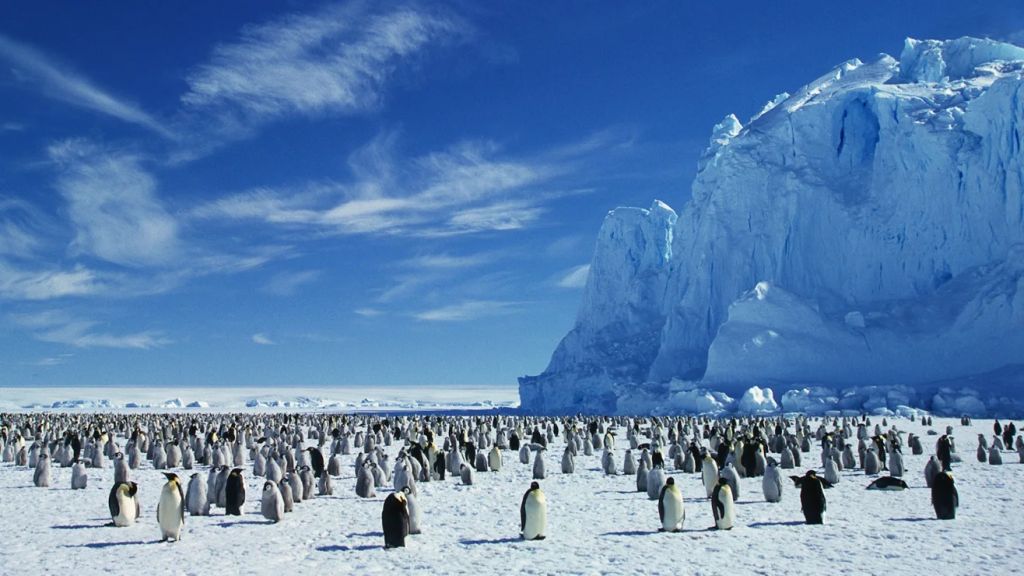
For Sir David Attenborough, Antarctica has long represented one of Earth’s last true frontiers — a vast frozen wilderness shaped by silence, survival, and extraordinary wildlife. Across landmark productions including Life in the Freezer, Frozen Planet II and Ocean, he documented the resilience of emperor and king penguins, the dramatic return of whale populations, and the growing environmental pressures facing the Southern Ocean, from climate change to industrial krill fishing. For travellers, Antarctica remains the ultimate expedition — remote, almost entirely uninhabited, and unlike anywhere else on the planet. October and November bring spectacular penguin courtship and nesting rituals, while December and January reveal colonies filled with newly hatched chicks. By February and March, Antarctic waters become a hotspot for blue, humpback, minke, sperm, and beaked whales, alongside enormous populations of orcas, with scientists believing nearly half the world’s killer whales inhabit these icy seas.
Serengeti National Park
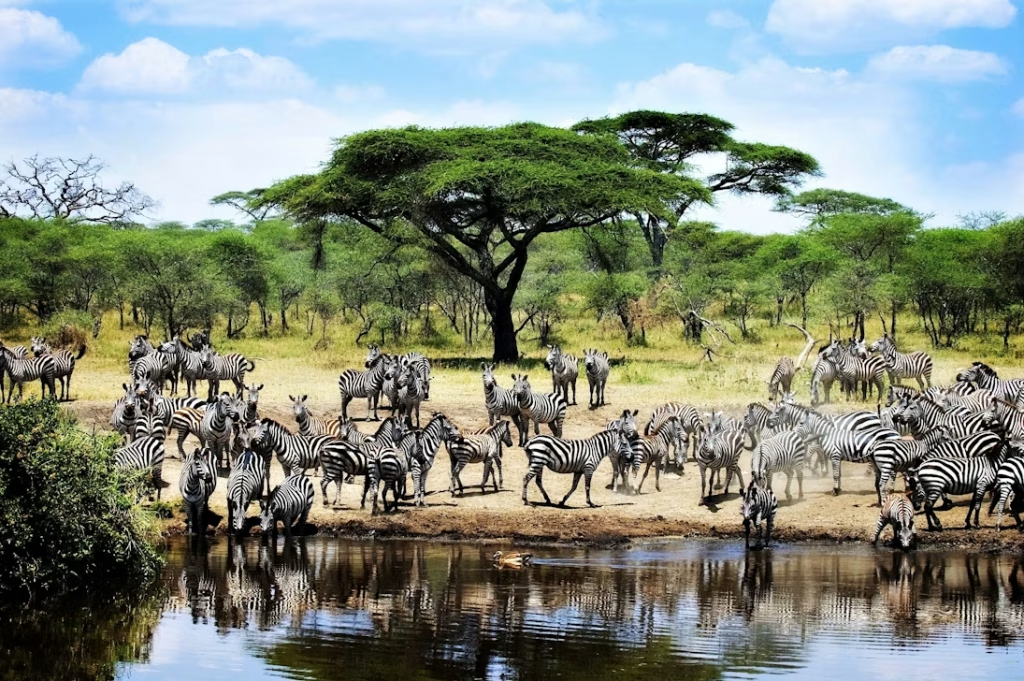
Immortalised through landmark wildlife documentaries including Planet Earth, Africa and The Hunt, the Serengeti remains one of the planet’s greatest natural spectacles. Stretching across northern Tanzania, its vast golden plains host the Great Migration — an endless circular movement of more than 1.2 million wildebeest, accompanied by zebras and gazelles, as they follow seasonal rains across East Africa. For viewers of Sir David Attenborough, the Serengeti became synonymous with raw wildlife drama: lions stalking prey through sunburnt grasslands, desperate river crossings through crocodile-filled waters, and predator clans battling for survival as migrating herds disappear beyond the horizon. Few destinations capture the same scale, tension, and cinematic beauty of the natural world quite like the Serengeti — a safari landscape that continues to define the ultimate African wildlife journey.
Galápagos Islands
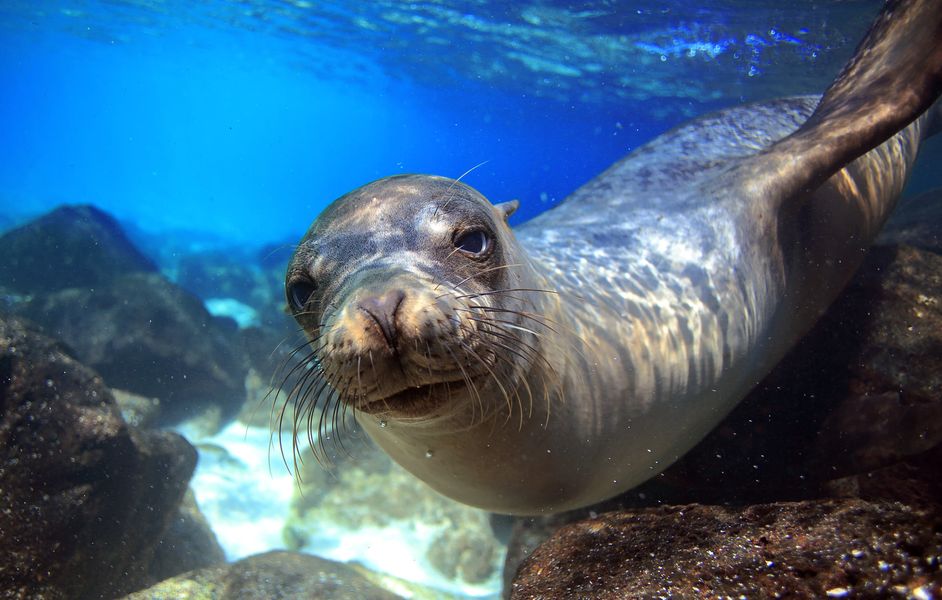
Few destinations are as deeply intertwined with the storytelling of Sir David Attenborough as the Galápagos Islands — the remote volcanic archipelago scattered nearly 1,000 kilometres off the coast of Ecuador that famously inspired Charles Darwin’s Theory of Evolution. Featured across landmark productions including Life on Earth, Planet Earth and Galápagos with David Attenborough, the islands became a global symbol of evolution, biodiversity, and ecological fragility. Attenborough’s journeys here produced some of the most unforgettable moments in wildlife filmmaking — from his emotional encounter with Lonesome George, the last surviving Pinta Island tortoise, to the first-ever footage of the rare pink land iguana. Then came the now-iconic scenes of racer snakes pursuing newly hatched marine iguanas across black volcanic rocks — a sequence that stunned audiences around the world. Wild, isolated, and astonishingly unique, the Galápagos remain one of the world’s most extraordinary wildlife destinations.
Okavango Delta, Botswana
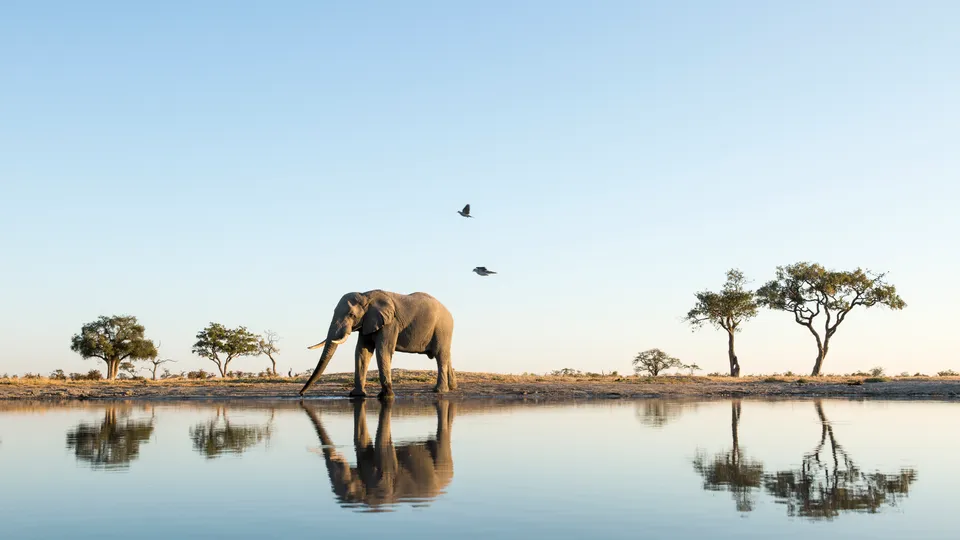
Rising like a mirage from the parched landscapes of the Kalahari, the Okavango Delta is one of Africa’s most extraordinary wildernesses — a vast inland delta where seasonal floodwaters transform desert into a thriving oasis of lagoons, reed beds, and wildlife-rich plains. Featured prominently in landmark series such as Planet Earth, Africa, Dynasties and Nature’s Great Events, the delta became one of the defining landscapes of Sir David Attenborough’s wildlife storytelling. What makes the Okavango so remarkable is its rhythm: floodwaters from the Okavango River arrive during Botswana’s dry season, sustaining an astonishing ecosystem where elephants, buffalo, lions, leopards, rhinos, and hippos flourish amid otherwise arid surroundings. Attenborough’s documentaries captured some of the delta’s most dramatic spectacles — elephant herds wading through shimmering floodplains, lions taking on massive buffalo herds, and the groundbreaking underwater footage of battling hippos. Exploring the delta by traditional mokoro canoe, gliding silently past grazing antelope and birdlife, remains one of Africa’s most immersive safari experiences.
Borneo
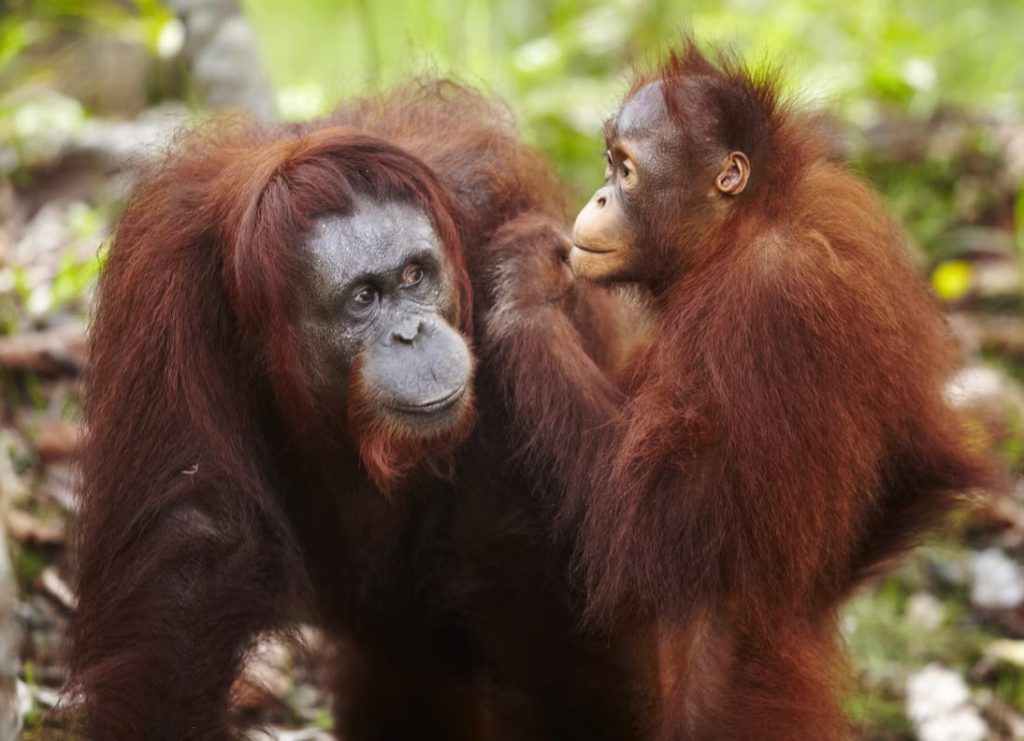
Featured in documentaries including Zoo Quest, Attenborough: 60 Years in the Wild and Earth’s Tropical Islands, Borneo became synonymous with extraordinary rainforest encounters: wild orangutans, surreal proboscis monkeys, and exotic creatures such as flying frogs and gliding lizards hidden within its ancient jungle canopy. Some of Attenborough’s most memorable filming moments unfolded here — including the dramatic sequence where he suspended himself more than 250 feet above the rainforest floor to witness millions of bats erupting from a cave at dusk. Yet beyond the spectacle, his documentaries also drew global attention to the rainforest’s fragility and the accelerating threat of deforestation. Today, exploring Borneo’s misty jungles and remote river systems remains one of the world’s most immersive wildlife journeys — especially for travellers hoping to encounter endangered orangutans in the wild.
Queensland
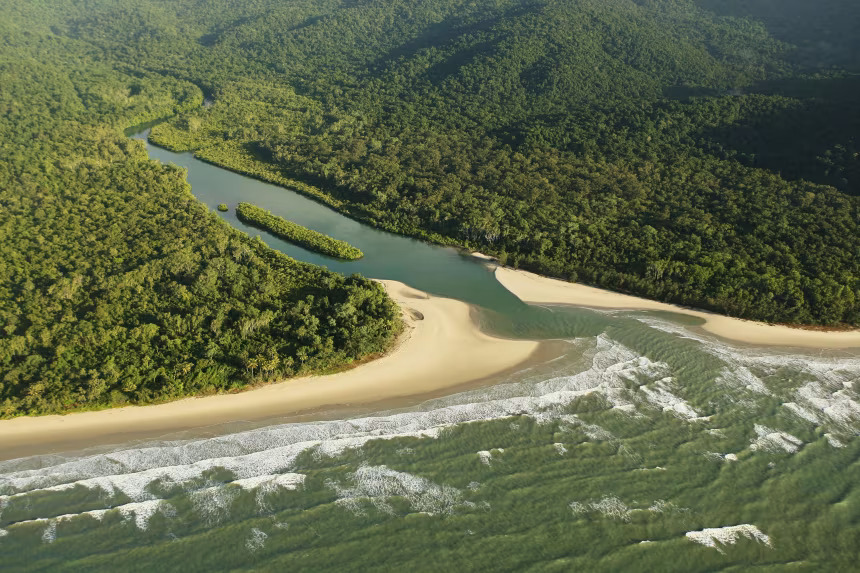
Sir David Attenborough once described North Queensland’s Daintree Rainforest as “the most extraordinary place on Earth” — and among his favourite wildlife destinations outside the UK. One of the world’s oldest surviving rainforests, the Daintree is believed to be more than 180 million years old, older even than the Amazon, with dense tropical wilderness flowing almost seamlessly into the nearby Great Barrier Reef. The region has long featured in Attenborough’s documentaries for its extraordinary biodiversity and prehistoric beauty. One of the most memorable moments came during Natural World, when cameras captured the elusive Southern Cassowary moving silently through the rainforest — a striking bird often described as one of Australia’s most ancient and extraordinary species.
Farne Islands
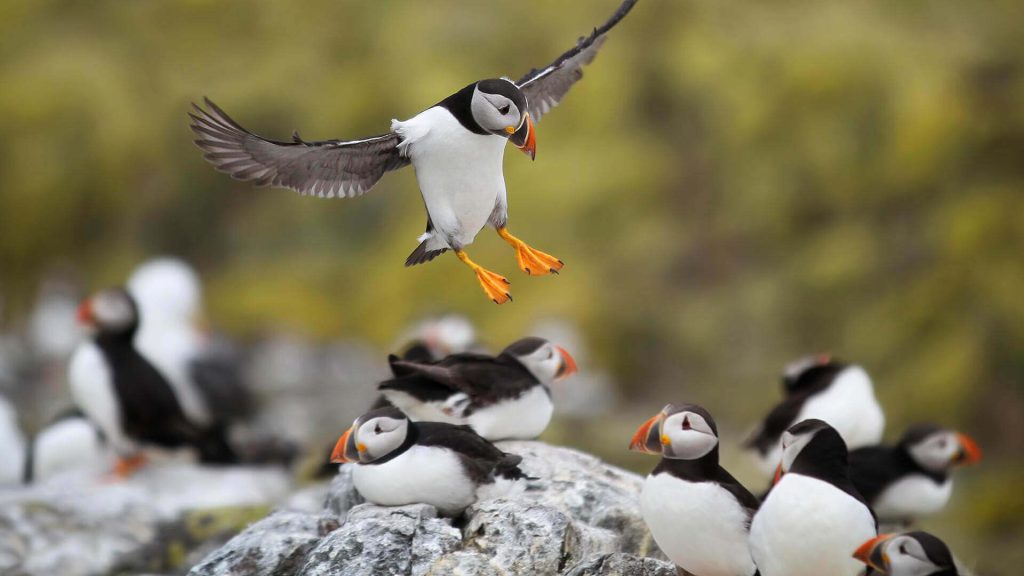
Sir David Attenborough has often described the Farne Islands off the coast of Northumberland as his favourite place in Britain to experience wildlife. Despite their remote, windswept appearance, the islands host one of the UK’s most spectacular seabird colonies, with more than 150,000 breeding birds, including around 40,000 pairs of puffins returning each year. The islands featured memorably in Wild Isles, where Attenborough observed puffins navigating relentless attacks from gulls while trying to feed their chicks — a reminder that even Britain’s coastal landscapes can deliver extraordinary wildlife drama. Today, the Farne Islands remain one of the country’s most rewarding nature escapes for birdwatchers, photographers, and wildlife travellers alike.
Volcanoes National Park, Rwanda
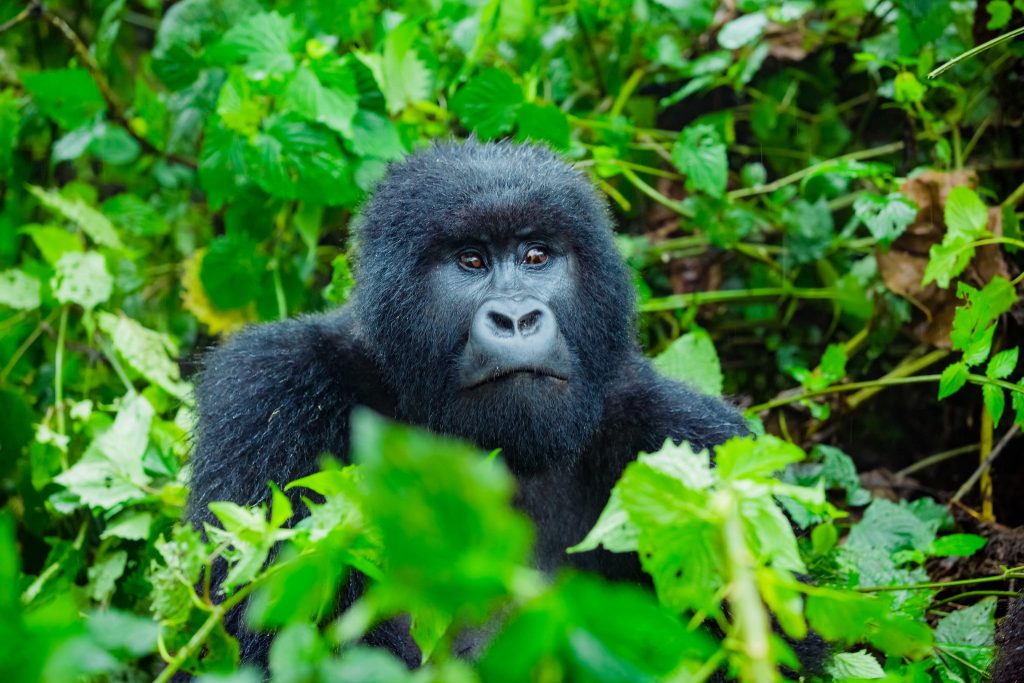
One of the most iconic moments in Sir David Attenborough’s legendary Life on Earth unfolded deep within Volcanoes National Park, when a playful young gorilla named Pablo climbed onto the presenter during filming — creating one of wildlife television’s most unforgettable scenes. The encounter, filmed in 1978 amid Rwanda’s mist-covered volcanic forests, helped introduce millions of viewers to the fragile world of endangered mountain gorillas. That remarkable connection is revisited in A Gorilla Story, where travellers can follow the story of Pablo’s descendants and Rwanda’s conservation success. Today, guided gorilla treks through Volcanoes National Park offer one of Africa’s most profound wildlife experiences, with permit revenues directly supporting local communities and gorilla protection efforts.
Alaska
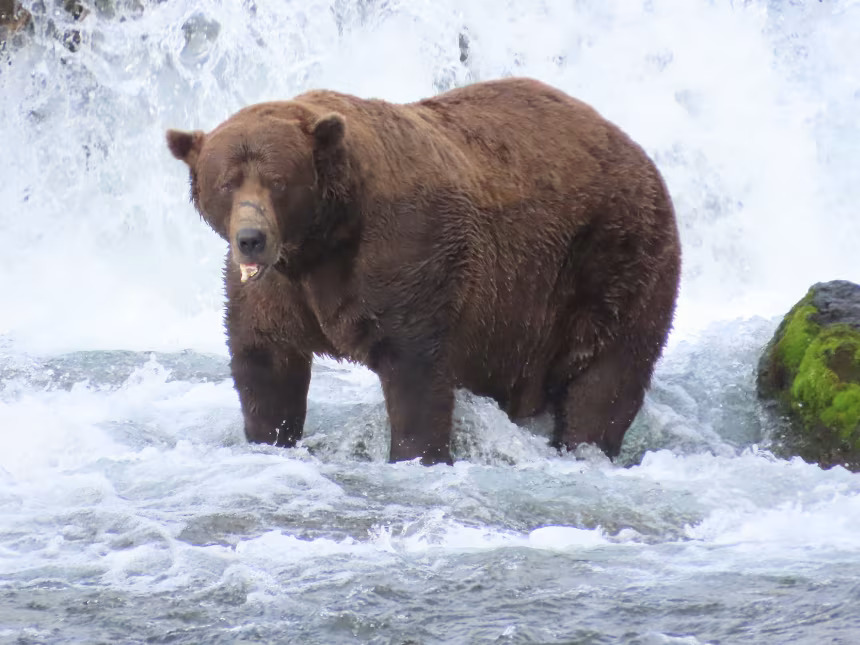
Sir David Attenborough’s acclaimed series Nature’s Great Events brought global attention to one of nature’s most dramatic survival spectacles — the Alaskan salmon run. Every year, millions of salmon battle fierce currents to return from the Pacific Ocean to their spawning grounds, pursued relentlessly by hungry brown bears waiting along the rivers. Some of the most unforgettable scenes were filmed in Katmai National Park and Preserve, where bears gather around the famous Brooks Falls between June and September, lunging through cascading waters to catch leaping salmon mid-air. Raw, remote, and spectacularly wild, Alaska remains one of the world’s great destinations for witnessing predator and prey in their most dramatic natural rhythm.
India
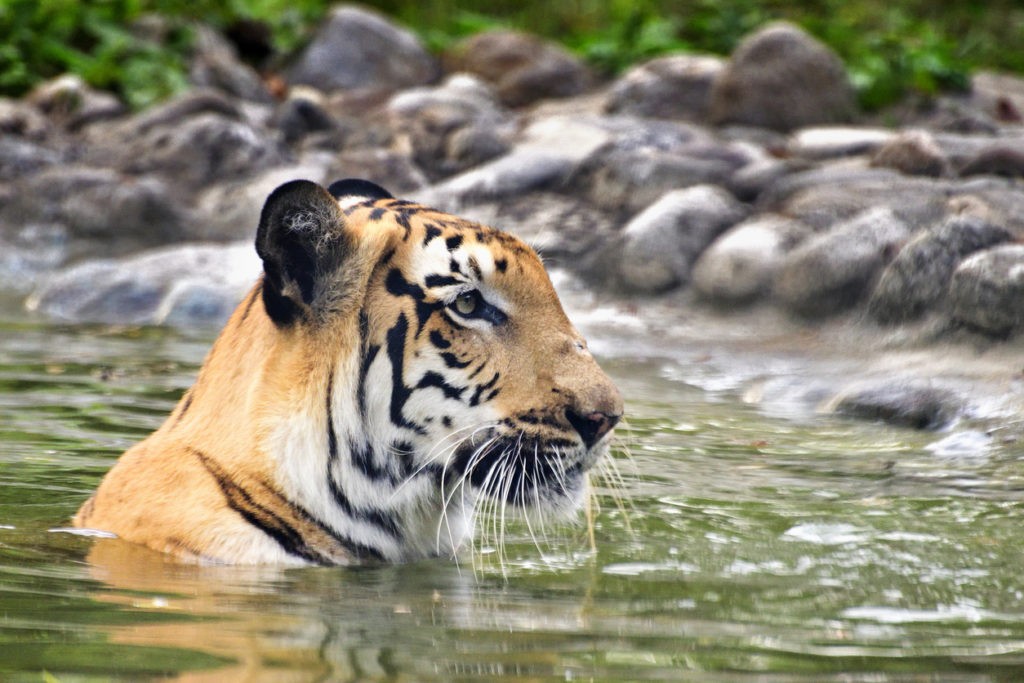
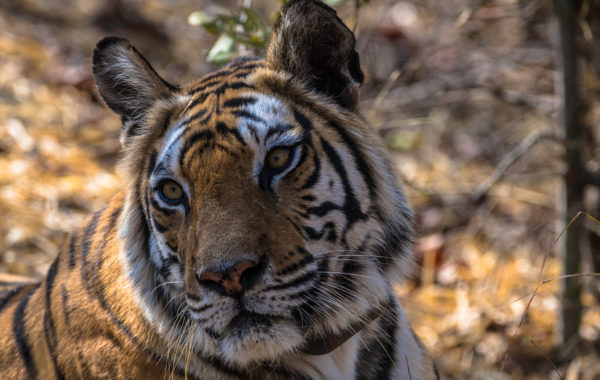
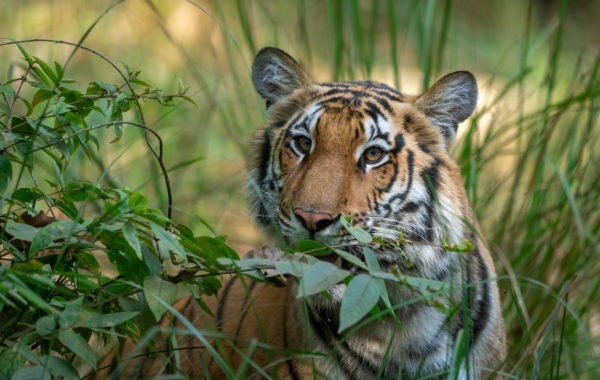
Sir David Attenborough’s landmark BBC series Asia brought the haunting beauty of India’s Bengal tigers to global audiences, capturing the elusive predators moving through the forests of central India. Today, the country’s national parks remain among the world’s best places to witness the largest wild cats on Earth in their natural habitat — from misty jungle trails to sunlit grasslands alive with deer, langurs, and birdlife. Yet behind the spectacle lies a fragile reality. India’s tigers continue to face threats from poaching, habitat loss, and human encroachment, with only an estimated 4,500 tigers remaining in the wild across Asia. For many travellers, a tiger safari in India is not just a wildlife experience, but a powerful reminder of the importance of conservation.
Richmond Park, London

After decades spent documenting the planet’s remotest wildernesses, Sir David Attenborough turned his lens closer to home with Wild London — revealing the surprising wildlife thriving across the British capital, from peregrine falcons nesting above Parliament to snakes hidden along Regent’s Canal. Yet for London wildlife lovers, few places feel more connected to Attenborough than Richmond Park, his home landscape for more than 70 years. Spanning over 2,500 acres, the royal park is famed for its ancient oak trees, sweeping grasslands, and free-roaming herds of red and fallow deer that have wandered here since the 17th century. Just moments from central London, it remains one of the capital’s most extraordinary urban escapes.
Luxury Stays and Safaris Inspired by Sir David Attenborough
Elewana Collection, East Africa
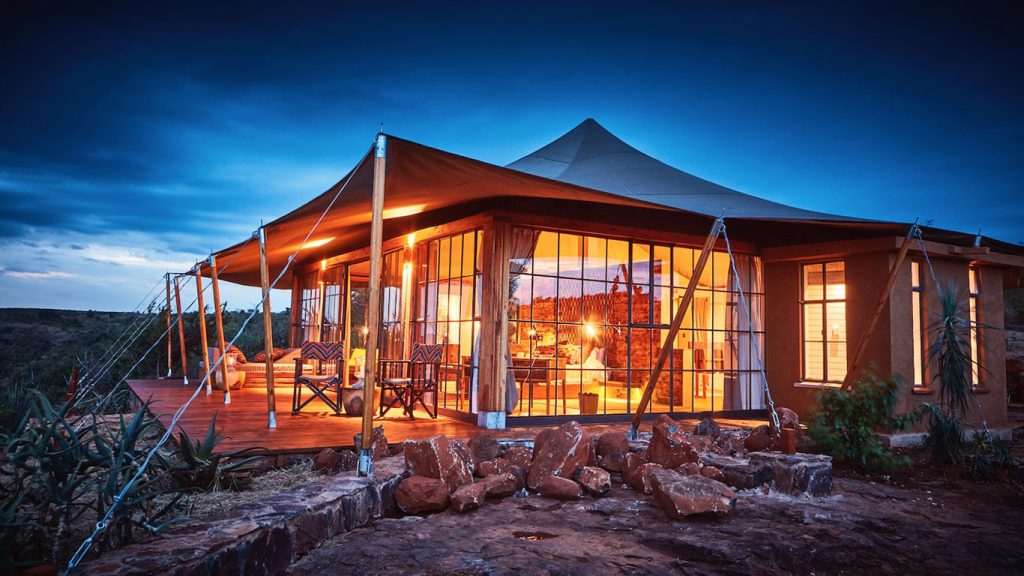
For many travellers, East Africa’s wildlife was first experienced through Attenborough’s documentaries long before a real safari. Few luxury operators embody that legacy quite like Elewana Collection, whose camps across Kenya and Tanzania champion intimate, conservation-led safaris. Attenborough himself stayed at Elsa’s Kopje in Meru National Park while filming the region’s famously strange naked mole rats, helping cement the park’s place in wildlife storytelling.
Sukau Rainforest Lodge, Borneo
Set along the Kinabatangan River, Sukau Rainforest Lodge became one of Attenborough’s most closely associated stays during BBC filming expeditions in Borneo. The lodge proudly preserves that connection — from photographs lining the walls to a villa named in his honour. Surrounded by rainforest rich with orangutans, hornbills, and proboscis monkeys, it remains one of Southeast Asia’s most immersive wildlife lodges.
Lizard Island Resort, Australia
Long before it became one of Australia’s most exclusive island retreats, Lizard Island featured in Attenborough’s explorations of the Great Barrier Reef. Today, visitors can still experience the extraordinary reef ecosystems that shaped his documentaries, while nearby marine research facilities continue the conservation work he championed.
Robin Pope Safaris, Zambia
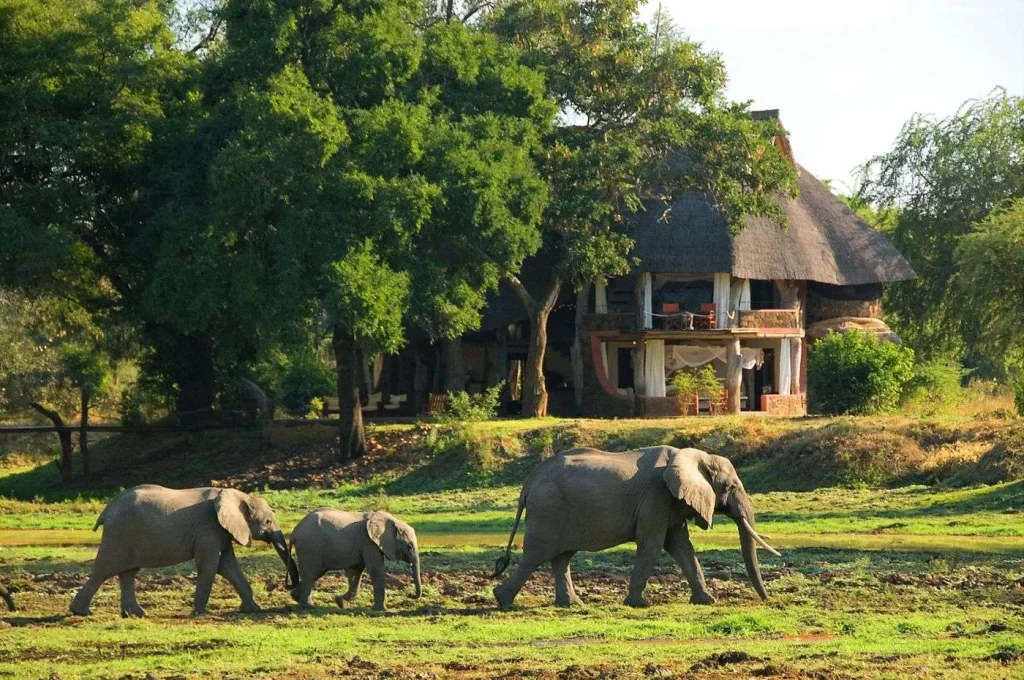
Zambia’s South Luangwa gained international attention through wildlife series narrated by Attenborough, particularly for its dramatic predator populations. Robin Pope Safaris hosted BBC crews during filming, and the region continues to stand out for its raw, conservation-focused safari experiences centred around lions, leopards, hyenas, and endangered painted dogs.
Tirimbina Eco Lodge, Costa Rica
Hidden within the La Tirimbina Biological Reserve, this rainforest eco-lodge reflects the conservation ethos long championed by Attenborough. He once stayed here while filming in Costa Rica — a country he frequently praised as one of the world’s great environmental success stories. Today, the lodge combines wildlife experiences with research, sustainability, and immersive rainforest exploration.
Related Travel Packages