


Airspace shutdowns across the Middle East disrupt global flight corridors, triggering reroutes and advisories for travellers
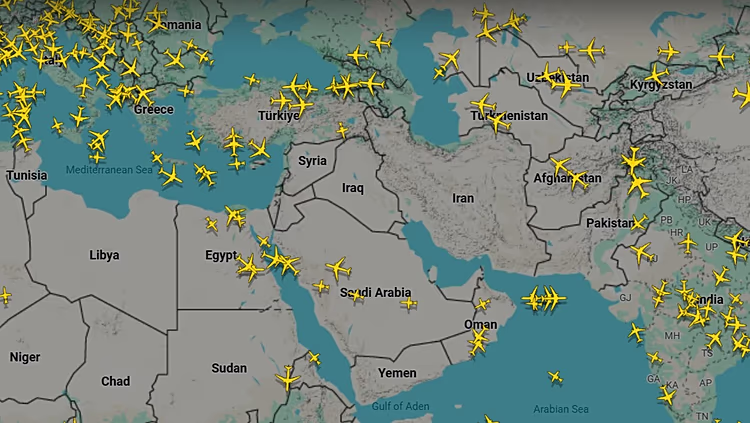
Airspace across several Gulf nations saw partial closures and restrictions on Saturday as escalating tensions involving Israel, the United States and Iran began impacting commercial aviation routes, according to official advisories and global flight tracking data.

Multiple countries closed or restricted airspace
Dubai’s airspace has been temporarily shut, with operations at both Dubai International Airport (DXB) and Al Maktoum International Airport (DWC) significantly affected. Authorities confirmed that multiple flights have been grounded as a precaution amid evolving regional security developments.
In a statement, the Dubai Media Office said some flights at DXB and Dubai World Central–Al Maktoum International are either cancelled or delayed due to the temporary partial closure of UAE airspace, describing the move as an exceptional safety measure.
As of 28 February 2026, several countries across the Middle East have imposed full or partial airspace restrictions, triggering significant disruption to international flight corridors.
UAE: Fully closed, with authorities describing the move as a precautionary security measure
Bahrain: Functionally closed due to ongoing regional security risks
Jordan: Fully closed, with civilian flights suspended
Israel: Closed to all civilian aviation
Iran: Fully closed, with flights suspended nationwide
Iraq: Fully closed, with a total halt to air traffic
Qatar: Effectively shut amid active missile threats
Advisory for Indian Nationals
The Embassy of India in Abu Dhabi has issued a public advisory urging Indian citizens in the UAE to avoid non-essential travel, remain alert, and follow safety guidance issued by local authorities. The mission added that both the Embassy in Abu Dhabi and the Consulate in Dubai continue to operate normally.
Airlines Suspend and Reroute Services
A growing number of international airlines have adjusted operations as airspace restrictions widened across the Middle East.
Air France-KLM cancelled flights to and from Tel Aviv and Beirut, with KLM advancing the suspension of its Amsterdam–Tel Aviv route.
Lufthansa halted services to Tel Aviv, Beirut, Oman and Dubai, and said it would avoid certain regional air corridors.
Virgin Atlantic confirmed it will avoid Iraqi airspace, resulting in revised routings on select flights.
Wizz Air suspended operations to and from Israel, Dubai, Abu Dhabi and Amman until at least March 7.
Japan Airlines cancelled its Tokyo–Doha service and return leg.
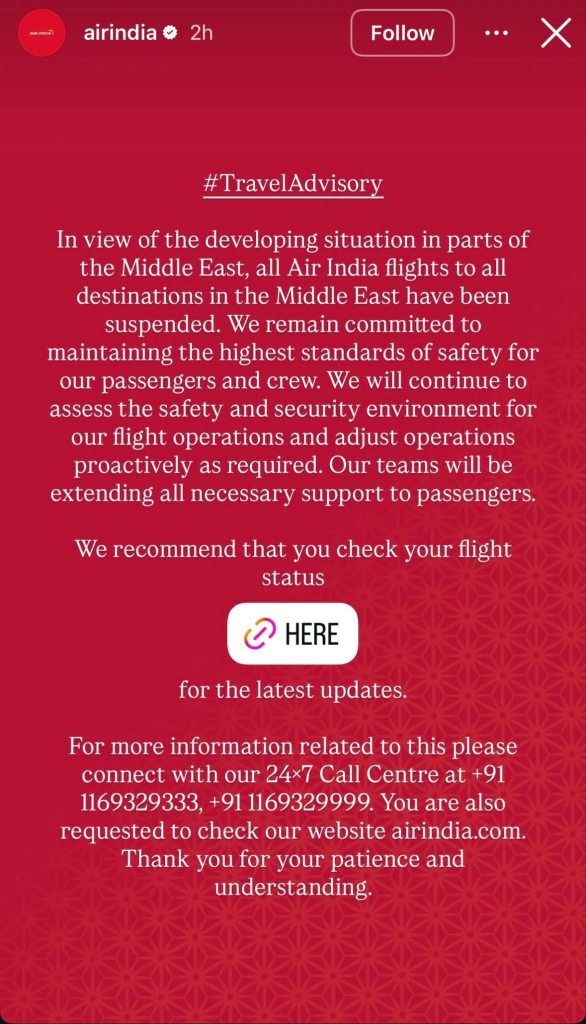
Both Air India and IndiGo have suspended services to the Middle East amid escalating airspace disruptions. The airlines issued travel advisories on X and Instagram, urging passengers to verify flight status directly through official channels.
As of 5pm on 28 February, IndiGo confirmed cancellations across affected routes until midnight, with further updates expected based on evolving conditions.
In the Gulf, flydubai cancelled or rerouted flights to Iran and Israel as closures spread across neighbouring airspace.
Qatar Airways temporarily suspended operations following the closure of Qatari airspace, citing safety concerns.
Elsewhere, Turkish Airlines cancelled multiple Middle East services, while Aegean Airlines suspended flights to Tel Aviv, Beirut and Erbil.
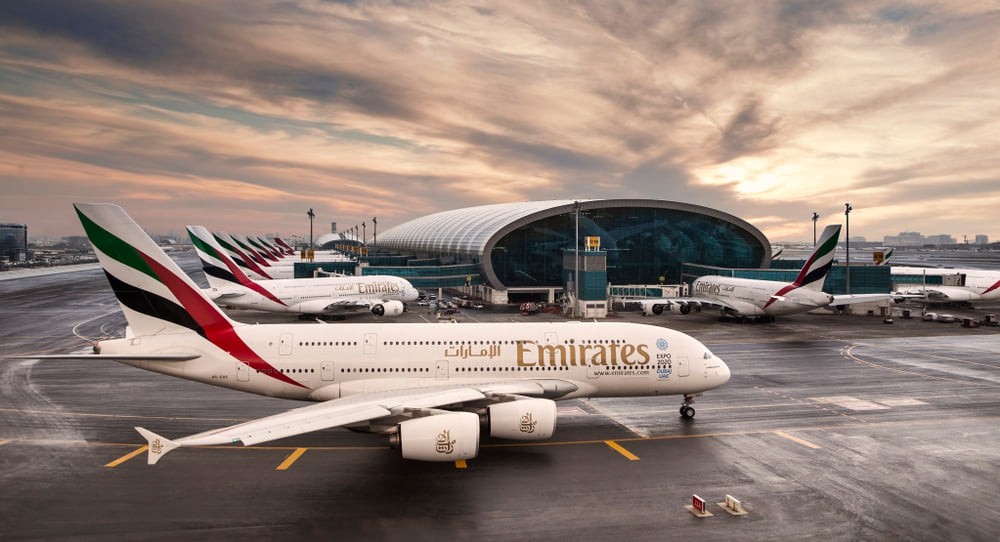
Emirates: The Dubai-based carrier has grounded flights from its hub and urged passengers to stay updated. The airline said it is closely tracking developments, coordinating with authorities and adjusting operations as required. Travellers have been advised to check directly with Emirates or their booking agent for the latest updates.
Etihad Airways: Etihad confirmed disruptions to its network, noting the situation remains fluid with potential last-minute changes. The airline said it is working with regulators and will operate only through approved airspace. Passengers are advised to contact the airline or their travel agent for rebooking options.
Travel Advice for Passengers
The UAE’s aviation regulator has emphasised that the safety of national airspace and civilian operations remains its top priority. Travellers are advised to stay proactive and informed as conditions continue to evolve.
Passengers should contact their airline directly for real-time updates on flight status, rebooking options and fare waivers. Authorities also recommend relying only on official government and aviation channels for information, rather than social media or unverified sources.
Delays, cancellations and last-minute schedule revisions remain possible as airlines continue to adjust routes in response to the changing security environment.
Those planning travel through the Gulf in the coming days are urged to remain flexible, monitor advisories closely and ensure their travel insurance provides adequate disruption coverage. With the regional situation still fluid, further aviation updates are likely.
What Are Foreign Governments Advising?
India: India’s mission in the UAE has urged nationals to limit non-essential movement, remain cautious and stay alert to official guidance. Citizens have been advised to follow updates issued by local authorities and the Embassy.
United Kingdom: British authorities have issued stricter guidance for citizens in the UAE, including advice to remain indoors and minimise movement. The latest update recommends avoiding travel, staying in secure locations and adhering closely to local government instructions.
United States: US officials have issued similar advisories, urging citizens in the UAE and Abu Dhabi to remain sheltered where possible and stay informed through verified sources. Travellers have also been advised to be ready for sudden changes to plans as the situation evolves.
Should You Reconsider Your Travel Plans?
For now, much of the Middle East remains under significant airspace restrictions, meaning travellers with near-term plans to visit the region may face disruptions. Those scheduled to fly in the coming days should expect uncertainty, including reroutes, delays or last-minute schedule changes.
Travellers are advised to stay updated through airline notifications and official advisories, build flexibility into itineraries and allow additional buffer time for connections where possible.
Once airspace restrictions ease and regional conditions stabilise, normal travel patterns are expected to gradually resume. Until then, passengers should continue monitoring developments closely and be prepared to adjust plans as the situation evolves.
Updated: March 01, 2026 8:45 PM
700+ Flights Cancelled, 19,000 Delayed Amid Middle East Airspace Disruptions
Major aviation hubs across the Gulf have suspended or scaled back operations as widening airspace closures force airlines into cancellations, diversions and large-scale rerouting — leaving travellers stranded across continents.
Over the weekend, thousands of flights across the Middle East were disrupted after multiple countries imposed airspace restrictions following escalating regional tensions. Nations including Bahrain, Iran, Iraq, Israel, Jordan, Kuwait, Qatar and the UAE announced full or partial closures, triggering widespread cancellations and diversions affecting tens of thousands of passengers globally.
The fallout hit key aviation hubs such as Dubai, Abu Dhabi and Doha, where airlines were forced to halt or significantly reduce operations. Aviation analytics firm Cirium estimates that more than 1,800 flights were cancelled by major Middle Eastern carriers, with nearly one in five scheduled arrivals scrapped across the region over the weekend.
Global tracking platforms underscored the scale of disruption. FlightAware reported over 19,000 delays worldwide, while Flightradar24 recorded thousands of cancellations across major regional airports, including Dubai International, Hamad International in Doha, Zayed International in Abu Dhabi and other major Gulf gateways. With the situation evolving rapidly, the duration of the disruption remains uncertain, leaving many passengers in travel limbo.
Indian carriers hit by West Asia route uncertainty
Indian airlines have faced significant network stress due to their reliance on Middle East transit routes.
IndiGo has cancelled more than 350 flights over three days, including 166 flights on March 1, 162 flights on March 2, and 43 flights on March 3. The cancellations represent approximately 7–8% of the airline’s normal daily operation of about 2,100–2,200 flights.
Other Indian carriers, such as Air India and Air India Express, have also suspended or rerouted several services to the Gulf and West Asia region due to security advisories and restricted airspace access. The disruption has forced aircraft to take longer alternative routes to avoid conflict zones, increasing flight time, fuel consumption, and operational expenses for airlines.
Air India to cancel 50 Europe, North America flights; IndiGo cancels Europe flights

As airspace restrictions stretched into a second day, Air India cancelled around 50 long-haul flights on March 1, impacting routes across Europe and North America. Nearly all services to Europe and the UK were grounded, while several North American flights were also scrapped. A handful of inbound flights to India continued using extended alternate routings, according to flight tracking data.
Affected Air India sectors included Mumbai–London, Delhi–Birmingham, Delhi–Amsterdam, Zurich, Milan and Vienna, along with key transatlantic routes such as Delhi and Mumbai–New York, Newark, Chicago and Toronto. Return legs on these services were also cancelled.
IndiGo, which does not operate North American routes, suspended flights to Europe, the UK and Turkey until midnight of March 2. The airline’s cancellations included services to Istanbul, Amsterdam, London, Athens and Manchester.
The carrier had already paused operations to parts of Central Asia and the Caucasus — including Almaty, Tashkent, Baku and Tbilisi — until late March, citing avoidance of Iranian airspace. These disruptions add to ongoing cancellations across West Asia, compounding the broader impact on Indian international networks.
International Airlines Most Affected
Gulf carriers have been among the hardest hit. Emirates and Etihad cancelled significant portions of their schedules, while Qatar Airways suspended operations from Doha entirely during peak disruption windows. Etihad confirmed a temporary suspension of flights to and from Abu Dhabi into early March.
Low-cost and international carriers followed suit. Wizz Air halted flights across multiple Middle Eastern routes, while Turkish Airlines cancelled services to several regional destinations. European carriers including Air France, KLM and British Airways suspended or modified operations, offering rebooking or refund flexibility for affected passengers.
The Lufthansa Group suspended flights across multiple conflict-zone destinations and avoided several Middle Eastern airspaces, while Nordic carriers such as Finnair and Norwegian paused Gulf services temporarily.
North American airlines also reacted. Delta and American Airlines suspended select Middle East routes, and Air Canada cancelled services to Israel and Dubai for several days. In Asia, Air India suspended Middle East flights, while carriers from Pakistan and Southeast Asia also scaled back operations.
What It Means for Travellers
With major corridors closed, airlines are rerouting flights around restricted airspace — often diverting south over Saudi Arabia or taking longer northern tracks. These detours are adding flight time, increasing fuel burn and raising operational costs, which could eventually push ticket prices higher if disruptions persist.
For now, travellers should expect continued uncertainty, with schedules likely to remain fluid until regional airspace conditions stabilise.
Updated: March 02, 2026 12:15 AM
Air India flights to North America, Europe
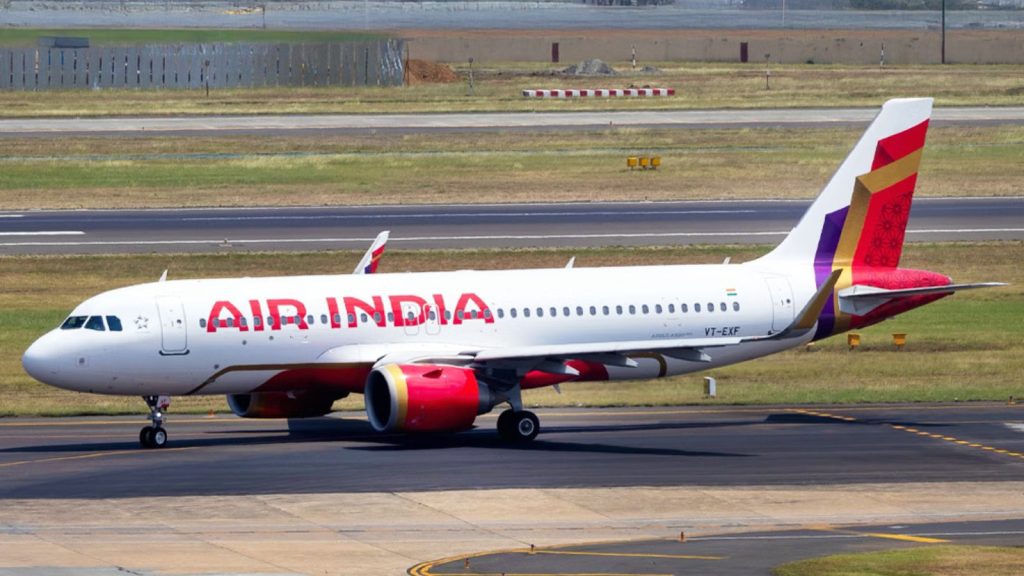
Air India has confirmed that most flights to North America and Europe will continue operating, but via longer alternate routings due to restricted Middle East airspace. The airline warned that revised paths are likely to increase overall travel time.
In an update, Air India said six flights would be cancelled on Monday, including the Amritsar–Birmingham and Birmingham–Delhi services, along with Delhi–Zurich and Delhi–Copenhagen rotations.
For the remaining network, all other Europe and North America flights will operate using alternative corridors across available Middle Eastern airspace. The airline added that services to New York (JFK) and Newark will include technical halts in Rome, further extending journey durations.
With Iranian and Iraqi airspace still closed, officials indicated that aircraft are being routed via Oman, southern Saudi Arabia and Egypt, adding roughly 30–40 minutes to Europe-bound flights and even longer on transatlantic sectors. These detours are also expected to push up operating costs for carriers.
Air India said it is continuing to closely monitor evolving conditions, assessing safety, airspace access and operational feasibility before confirming schedules. The broader disruption remains significant, with hundreds of international flights by Indian carriers cancelled over the weekend amid escalating regional tensions.
This is a developing story. Stay tuned for further updates.
For latest travel news and updates, food and drink journeys, restaurant features, and more, like us on Facebook or follow us on Instagram. Read more on Travel and Food Network