



A scenic road trip through New Orleans, Baton Rouge, Lafayette, and Lake Charles—exploring bayous, swamps, wildlife, and Louisiana’s most beautiful outdoor escapes.
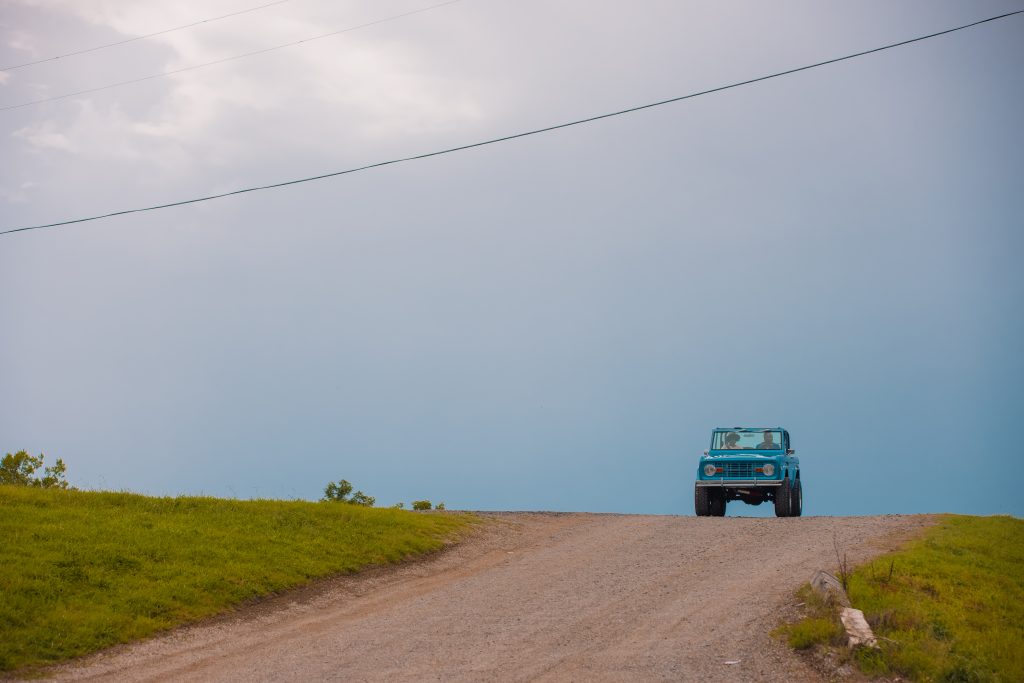
Southern Louisiana unfolds like a living dreamscape—where moss-draped cypress trees rise from quiet bayous, winding waterways shimmer under wide Southern skies, and nature moves to its own unhurried rhythm. As the state steps into its Year of the Outdoors, there’s no better way to experience its wild, soulful beauty than on a slow, scenic road trip weaving through New Orleans, Baton Rouge, Lafayette, and Lake Charles—where culture, cuisine, and the great outdoors meet in effortless harmony.
Day 1 – New Orleans
Begin your journey where Southern wildness meets urban poetry—at New Orleans City Park, a sprawling oasis of centuries-old oak trees, quiet lagoons, and unexpected wildlife. Here, mornings unfold gently: yoga beneath moss-draped branches, slow picnics on sunlit lawns, and moments of forest bathing in the heart of the city. Wander through the galleries of the New Orleans Museum of Art, then shift gears with a round of disc golf, a horseback ride, or a playful session of mini golf.
No New Orleans morning is complete without stopping at Café Du Monde, where powdered-sugar-dusted beignets and chicory coffee fuel hours of effortless people-watching. From here, venture into the quieter corners of the city at the Audubon Louisiana Nature Center. Boardwalks wind through hardwood forests and wetlands, where alligators, blue herons, turtles, armadillos, and butterflies offer glimpses of Louisiana’s untamed side—right within city limits.
As afternoon drifts into evening, make your way to Jackson Square and step onto the levee walkway beside the Mississippi. Follow the river south until you reach Woldenberg Riverfront Park, a landscaped ribbon of green overlooking passing barges and glowing sunsets. It’s the perfect place to pause—whether for a riverside picnic, a slow stroll, or simply to watch New Orleans unfold at its most serene.
Must Read: Your Travel Guide To New Orleans, Louisiana: The Ultimate 3-Day Itinerary
Days 2 & 3 – Baton Rouge
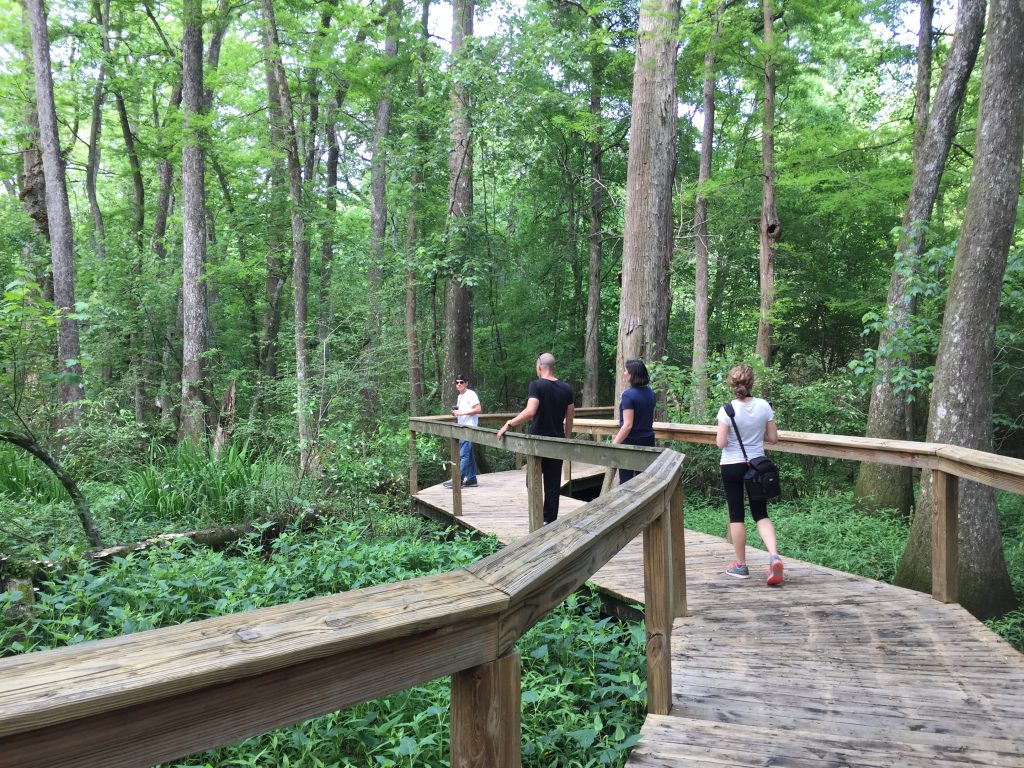
Leave New Orleans behind and follow the gentle curves of the Mississippi northward, arriving in Baton Rouge—a city where academic calm, Southern greenery, and quiet wilderness coexist with effortless grace. Settle in for two nights and begin your immersion at BREC’s Bluebonnet Swamp Nature Center, a 103-acre sanctuary where elevated boardwalks drift through cypress-tupelo swamps and hardwood forests. Inside, interactive exhibits and wildlife displays offer context; outside, gravel trails invite slow walks alongside turtles, birds, and whispering wetlands.
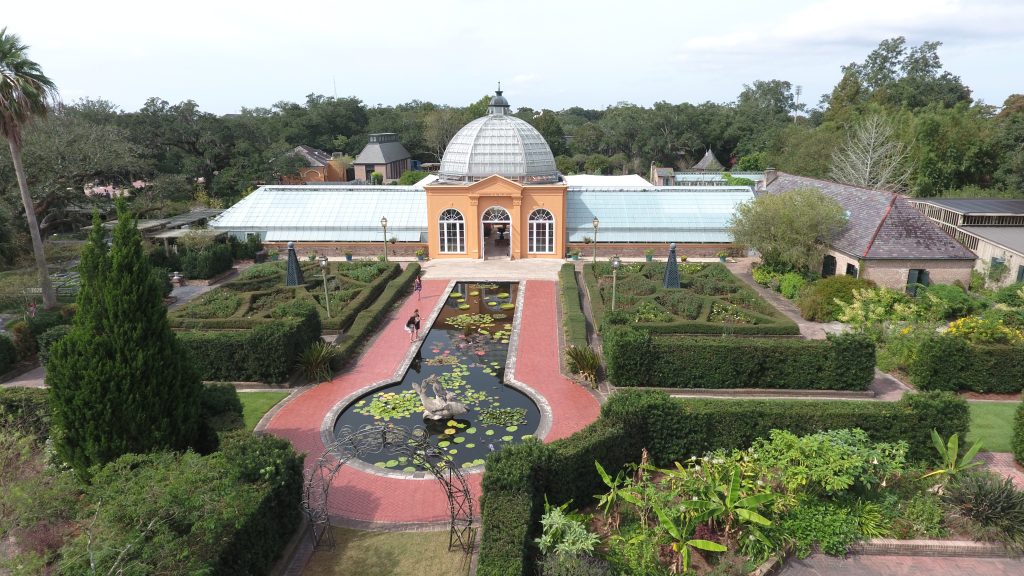
Later, wander into the refined calm of the LSU AgCenter Botanic Gardens, a living laboratory where science meets beauty. Manicured pathways lead past ornamental gardens, tropical blooms, and curated collections of roses and camellias. The jewel in the crown is the Steele Burden Memorial Orangerie, where fragrant citrus trees perfume the air—especially intoxicating when in bloom. The Children’s Garden and swamp-plant collections add layers of discovery, making every turn quietly rewarding.
Round out your Baton Rouge escape at Santa Maria Golf Course, part of the renowned Audubon Golf Trail. Set across rolling terrain, dotted with lakes and natural waterways, the course offers more than sport—it’s a final communion with Louisiana’s open landscapes, where wide skies and water-lined fairways bring your two-day retreat to a serene close.
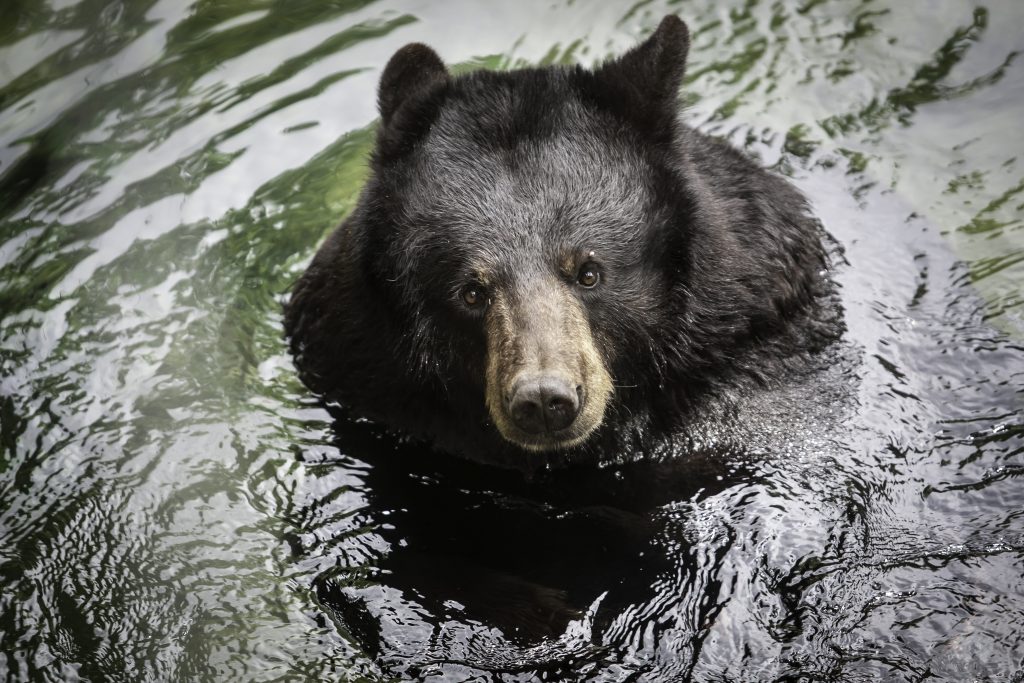
Bonus: Between Baton Rouge and Lafayette, the Atchafalaya National Heritage Area stretches across much of the storied Atchafalaya Basin, unfolding quietly along your drive. Spring is the most rewarding season to experience this wild sanctuary, when nature returns in full rhythm. Alligators surface from winter’s stillness, while great blue herons, great egrets, and roseate spoonbills—fondly called Cajun flamingos—gather in nesting colonies. On rare occasions, even the elusive Louisiana black bear makes a fleeting appearance. Keep your camera close to capture these extraordinary moments in one of Louisiana’s most evocative natural landscapes.
Day 4 – Lafayette
The drive from Baton Rouge to Lafayette drifts gently into the soul of Cajun Country, where small towns, wetlands, and winding bayous set the rhythm of the road. Begin your day at Vermilionville Living History Museum and Folk Life Park, a charming riverside village spread across 23 lush acres along Bayou Vermilion. Here, Creole and Cajun heritage comes alive through restored homes, traditional music, regional cuisine, and quiet pathways shaded by ancient trees—an elegant blend of culture and calm.
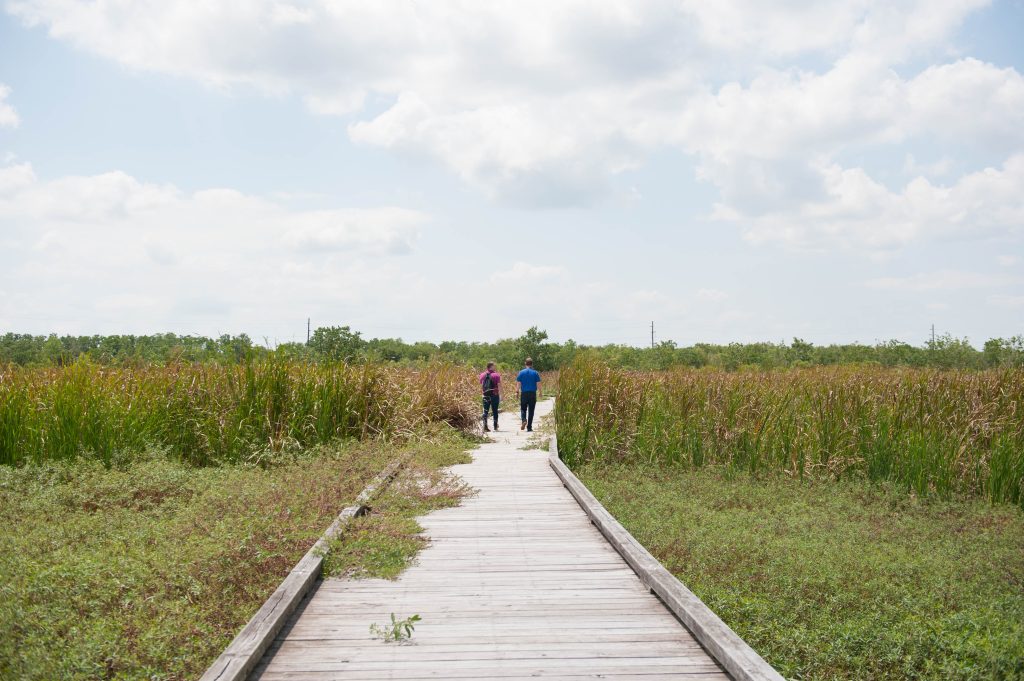
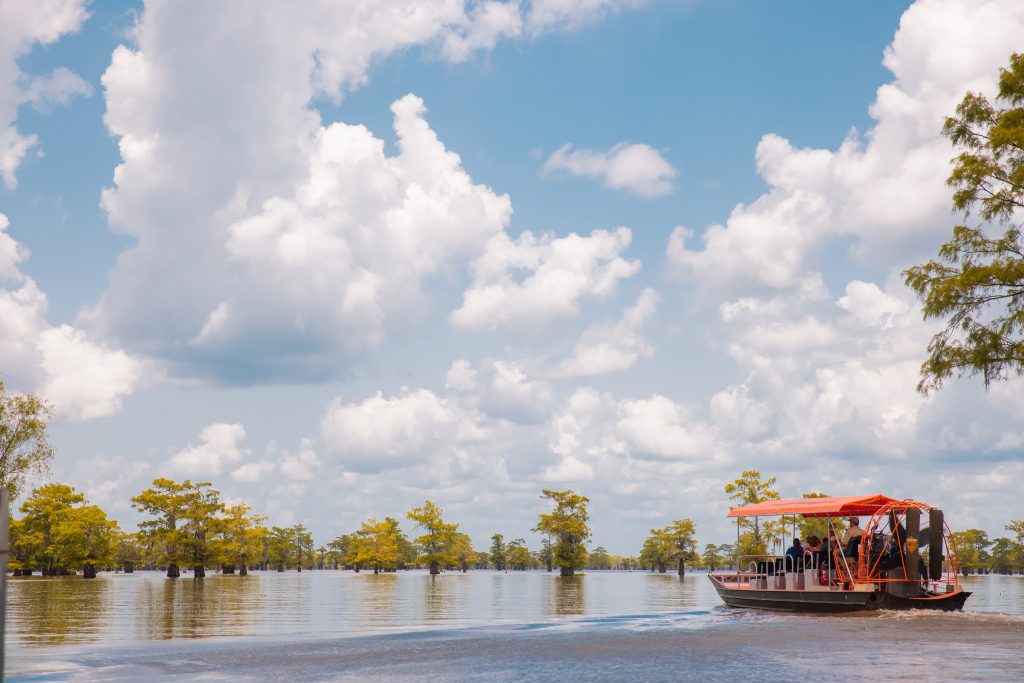
For a deeper immersion into Louisiana’s wild heart, head to the Cypress Island Nature Preserve, where Spanish moss drapes cypress trees and migratory birds glide across mirrored waters. Walk the lakeside trails, or slip into a kayak to explore the wetlands from a more intimate perspective. To complete the experience, book a family-friendly swamp excursion with Champagne’s Cajun Swamp Tours, where expert guides reveal the rhythms, stories, and hidden beauty of this extraordinary ecosystem—bringing Lafayette’s outdoors to life in unforgettable fashion.
Days 5 & 6 – Lake Charles
The journey from Lafayette to Lake Charles unfolds through open prairies, quiet farmlands, and water-laced landscapes—an unhurried passage into Louisiana’s untamed southwest. Here begins the legendary Creole Nature Trail All-American Road, often called “Louisiana’s Outback,” a 180-mile loop that winds through marshes, wetlands, and coastal prairies. Starting near Lake Charles and Sulphur, the route carries you south into alligator country, where wading birds pause between migrations and the horizon feels endlessly wide.
Pause at Cameron Prairie National Wildlife Refuge, a protected haven for wintering waterfowl and migratory birds. Beyond birdwatching, its Gibbstown and East Cove units offer peaceful fishing spots framed by reeds and open skies. Back in town, unwind at Prien Lake Park, a waterfront retreat with picnic lawns, canoe launches, and sunset views that shimmer across calm waters.
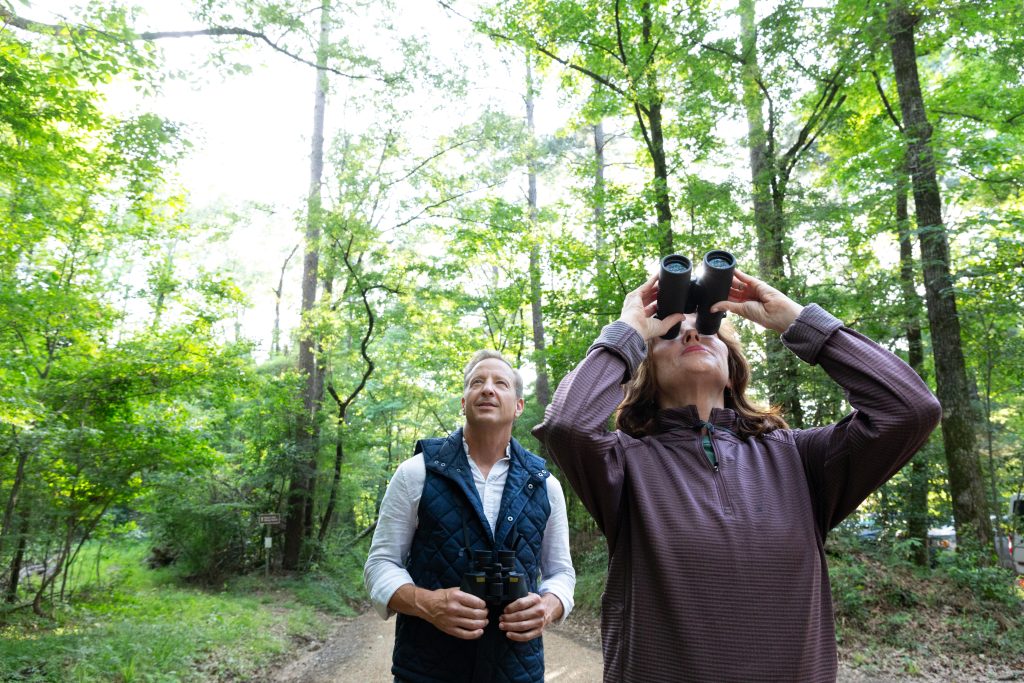
For forest trails and deeper wilderness, explore Sam Houston Jones State Park, southwest Louisiana’s only state park. Cypress groves, historic stagecoach paths, and riverside access create a haven for hikers, birders, and boaters alike. Finally, cool off at North Beach, Louisiana’s only inland white-sand beach—an unexpected slice of summer by the lake.
With landscapes explored and senses refreshed, loop back toward New Orleans, carrying with you the quiet magic of Louisiana’s wild, waterbound heart.
For latest travel news and updates, food and drink journeys, restaurant features, and more, like us on Facebook or follow us on Instagram. Read more on Travel and Food Network
Related Coverage
The Ultimate First-Timer’s Guide to Mardi Gras in New Orleans – Insider Tips & Tricks
The Ultimate A–Z Guide to Eating Your Way Through New Orleans, Louisiana
The Ultimate Guide to the Most Iconic Jazz Spots in New Orleans, Louisiana