
Visiting the 9/11 Memorial and Museum in NYC? Find essential details on hours, admission, exhibits, and insider tips for a meaningful experience.
Twenty-five years on, America is remembering the September 11 attacks—a tragedy that defined an era, transformed New York’s skyline and changed the world.

At 8.46am on 11 September 2001, the first hijacked aircraft struck the World Trade Center’s North Tower. Just 17 minutes later, a second hit the South Tower. Both towers collapsed. A third plane was flown into the Pentagon, while passengers aboard a fourth confronted their hijackers before the aircraft crashed in the Pennsylvania countryside. The morning unfolded in little more than an hour; its impact continues to reverberate a quarter of a century later.
For millions, September 11 remains a deeply personal memory: where they were, whom they called, and how suddenly the familiar world felt altered. Yet an entire generation—today’s college students and those younger—was born after the attacks. On the 25th anniversary, visiting the memorial feels more important than ever: an encounter not only with history, but with individual lives, collective grief and a city that chose to remember while continuing to rise.
The Tribute in Light will once again illuminate the New York skyline as the nation observes the 25th anniversary of the September 11 attacks. Alongside memorial services in New York, Virginia, and Pennsylvania, the installation serves as a poignant reminder of the nearly 3,000 lives lost, bringing together families, community leaders, and volunteers in remembrance.
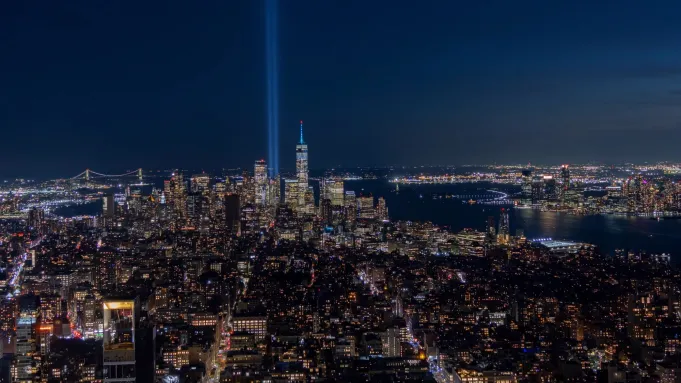
The Tribute in Light
New York Harbour was illuminated by thousands of lights on Wednesday night as a powerful drone display paid tribute to the 2,977 people killed in the September 11, 2001, terrorist attacks. Titled “2,977 Lights Over New York Harbour”, the public art installation featured 2,977 illuminated drones, with each light representing one of the victims, BBC reported. The drones rose above the water before gradually coming together to recreate the outline of the Twin Towers at full architectural scale.
Over New York Harbor, 2,977 drones formed light silhouettes of the World Trade Center’s Twin Towers. Each drone symbolized one of the victims of the September 11, 2001 attacks.
Videos shared on social media showed the lights moving across the night sky before forming the familiar shape of the World Trade Center towers, creating a striking tribute ahead of the 25th anniversary of the attacks.
First unveiled in March 2002, just six months after the attacks, the project was conceived by artists John Bennett, Gustavo Bonevardi, Richard Nash Gould, Julian LaVerdiere, and Paul Myoda. Since then, the lights have become an annual tradition, appearing at dusk every September 11 and remaining on until dawn, casting a solemn glow over Lower Manhattan.
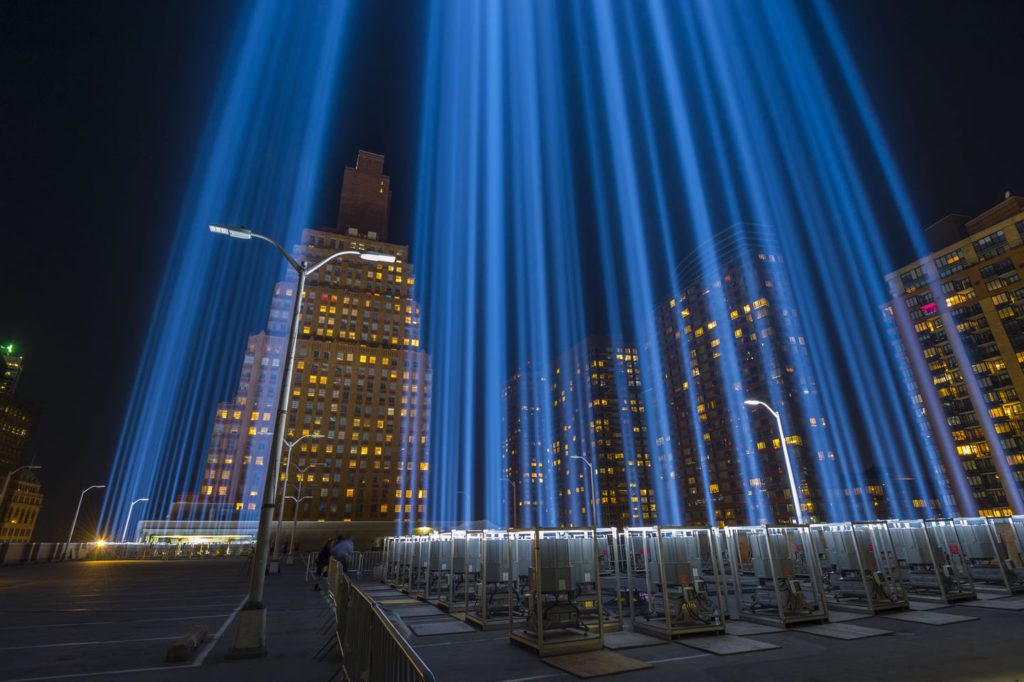
The lights will be on beginning at sunset on September 11 and will fade away at dawn on September 12. The lights are best viewed when it is completely dark.
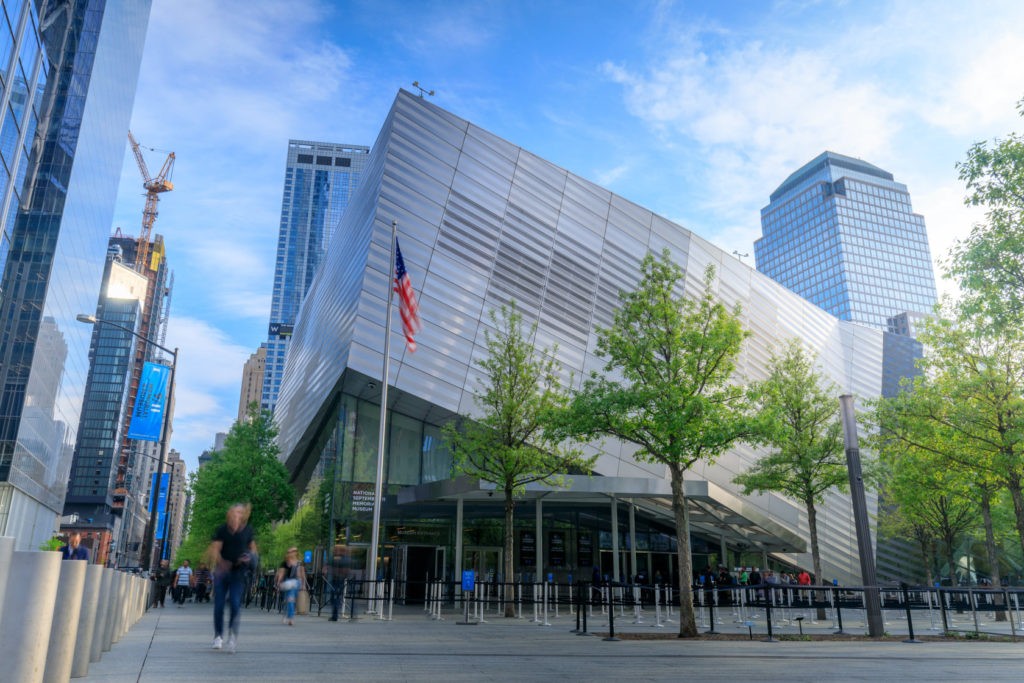
Visiting The National 9/11 Memorial Museum
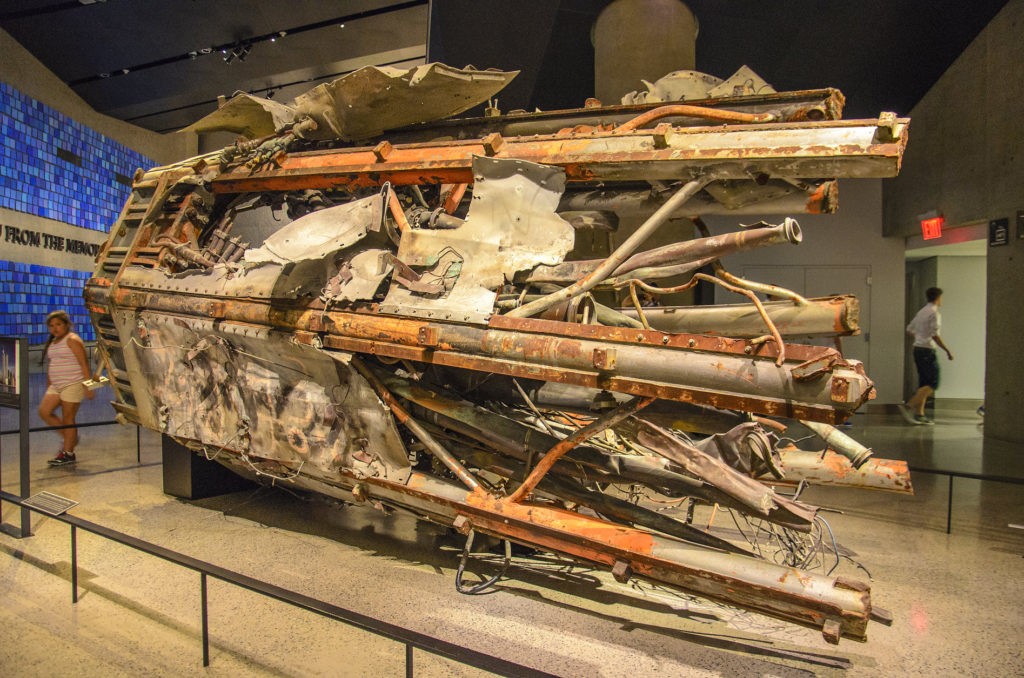
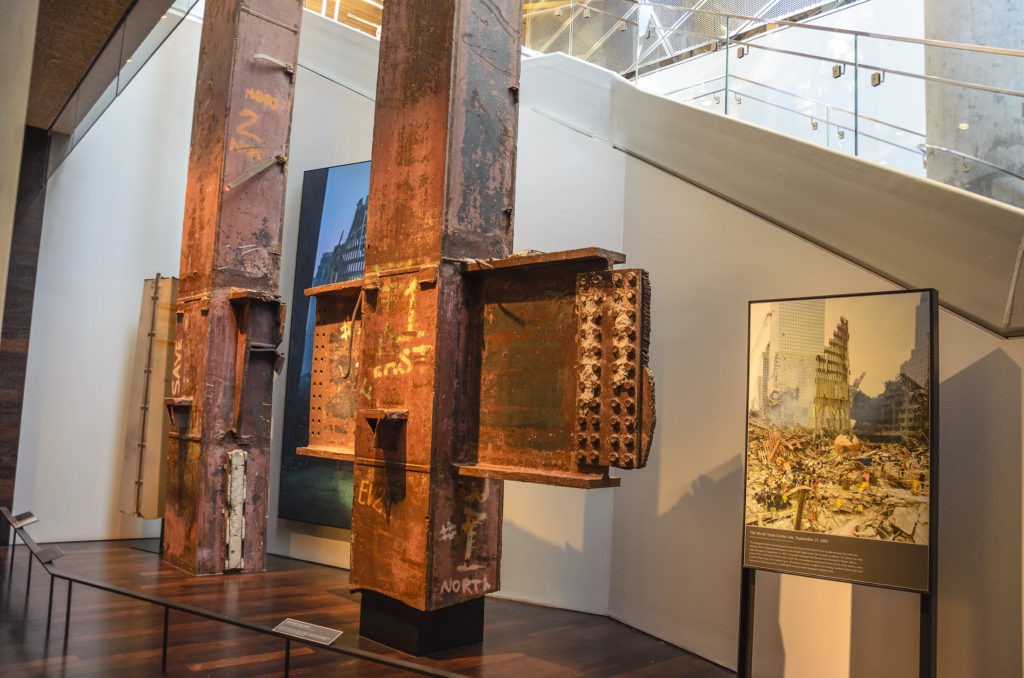
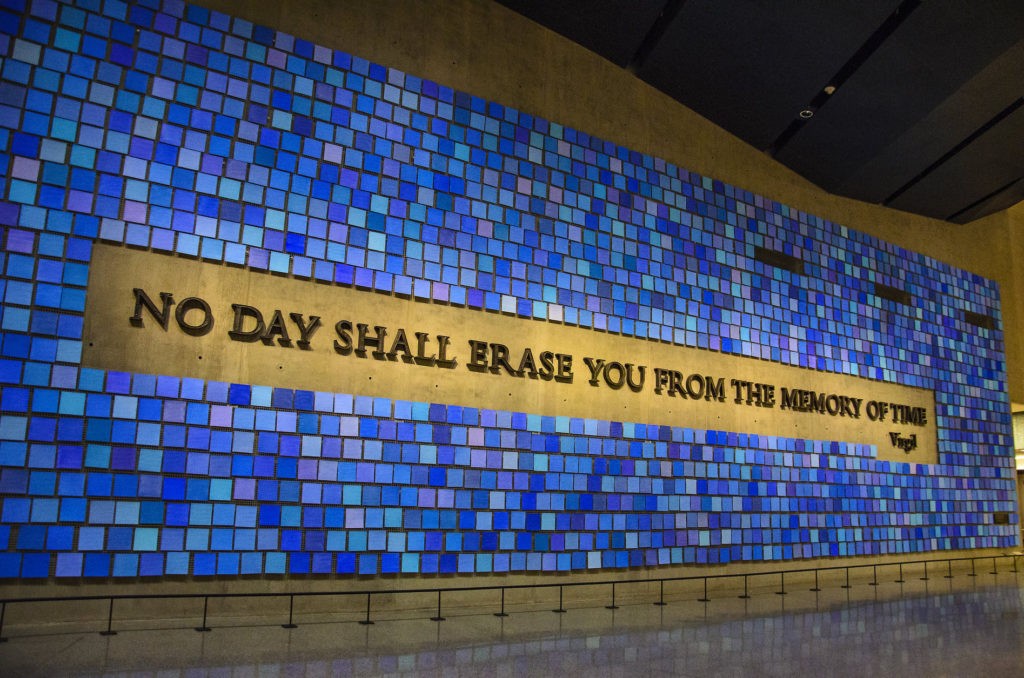
Located at the World Trade Center in New York City, the 9/11 Memorial Museum tells the story of 9/11 through media, narratives, and a collection of monumental and authentic artifacts, presenting visitors with personal stories of loss, recovery, and hope.
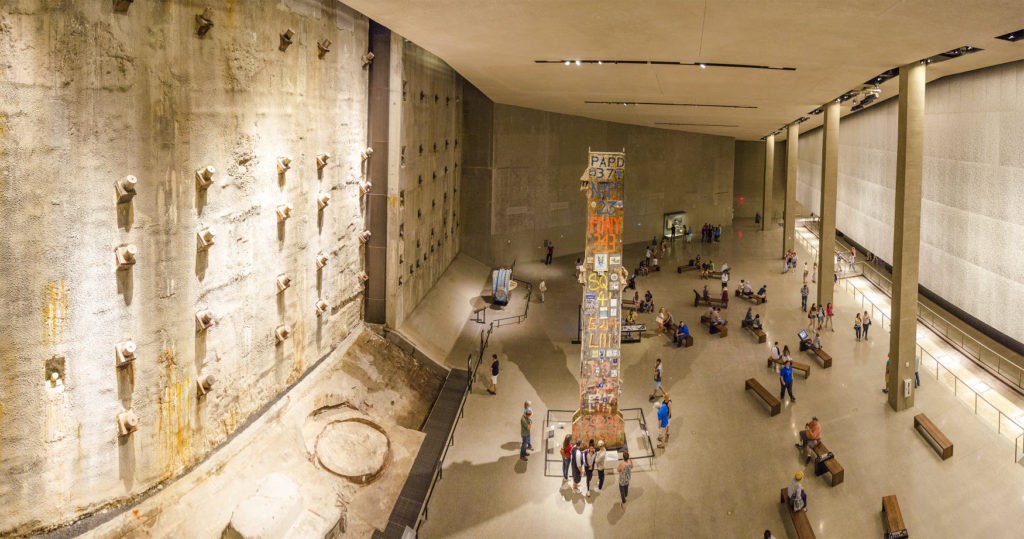
Except for the entry pavilion designed by the Norwegian architects Snøhetta, the greater part of the vast 10,000 square feet of exhibition space is 70 feet below ground level, at the foundations of the original twin towers. You could easily opt for a self-guided museum tour, but it is worth the $44 (or $65, if you want early access before the museum opens at 9 a.m.) to have an expert lead you around.
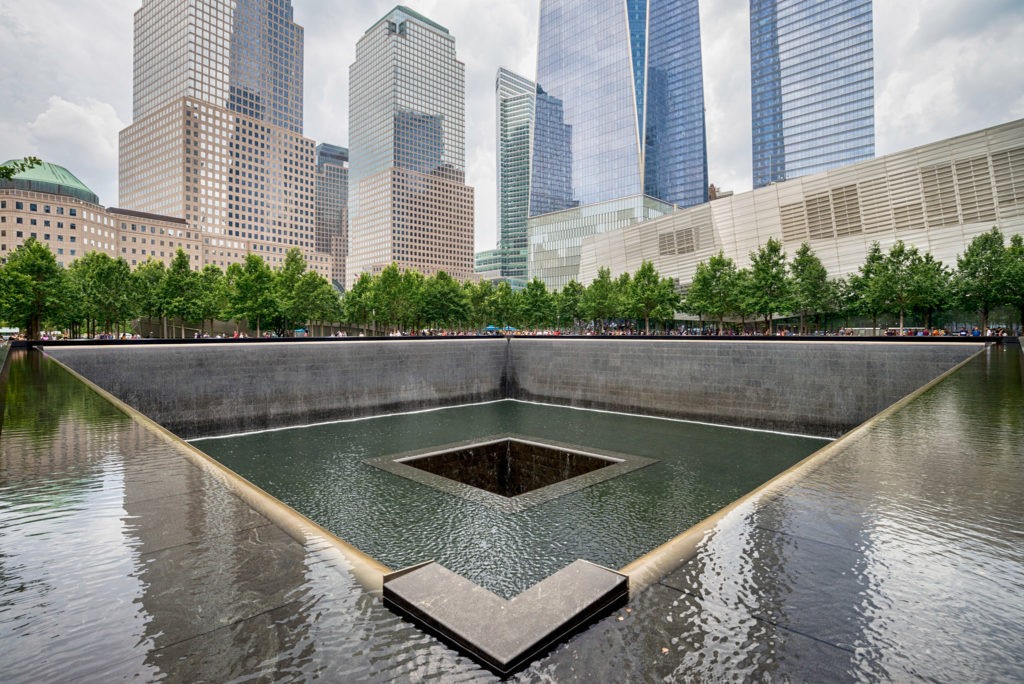
What You will find here
The museum’s permanent collection features a multimedia compilation that includes over 40,000 still images, 300 videos, 3,500 oral recordings, and more than 14,000 objects such as ephemera, textiles, artwork, books, and manuscripts. This extensive collection offers a comprehensive historical overview of 9/11 while also providing intimate insights into the lives of the individuals who perished.
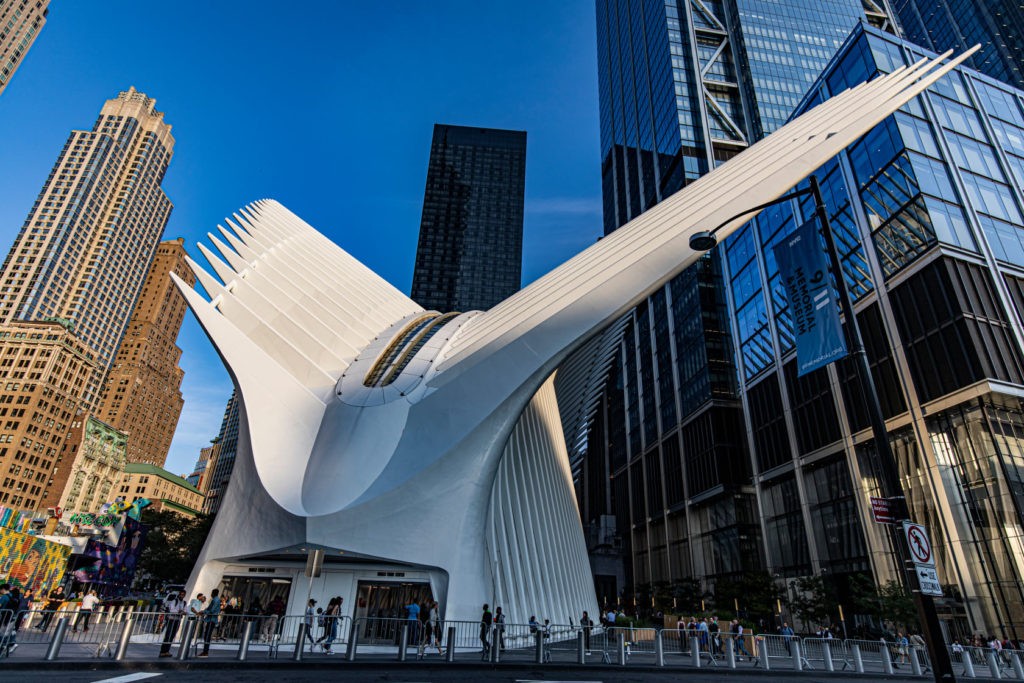
The museum strikes a masterful balance: it is grand in scale, contemplative in design, and deeply personal in its presentation. It honors the vast scope of the loss, both physical and spiritual. The National September 11 Museum spans 110,000 square feet of exhibition space, showcasing artifacts that commemorate the events and victims of 9/11. However, the museum itself also serves as a powerful symbol.
The building and pavilion were designed by lead architect David Brody Bond and the internationally acclaimed architecture and landscape firm SNØHETTA. The pavilion’s design, inspired by deconstructivism, mirrors the collapsed Twin Towers, resembling a partially collapsed building. This above-ground entrance acts as a bridge between the memory of the past events preserved in the 9/11 Museum and the promise of renewal embodied by the plaza.

How Long to Spend at the Museum
The museum is expansive, so be prepared to spend a significant amount of time standing or walking. Benches are thoughtfully placed throughout, including in multimedia rooms, where taking a seat and spending some time is highly recommended. The museum is fully accessible to individuals with disabilities.
Take A Guided Tour
While you can choose a self-guided tour of the museum, investing in an expert-led tour for $44 (or $65 for early access before the museum opens at 9 a.m.) is highly recommended. Unlike typical art tours that focus on the technical aspects of artworks, these guided tours provide a poignant oral history of the events of 9/11. The day comes alive through the chilling stories of the Twin Towers’ collapse, the courageous sacrifices of first responders, and the personal histories of those who were lost.
Expert Tips
You can complete a visit to the museum in about 60 minutes if you move quickly through the film feature sections and focus on the historical exhibition, which covers the events leading up to 9/11, the attacks on the World Trade Center, Pentagon, and Flight 93, and the aftermath. However, spending two hours there will allow for a more thorough and reflective experience.
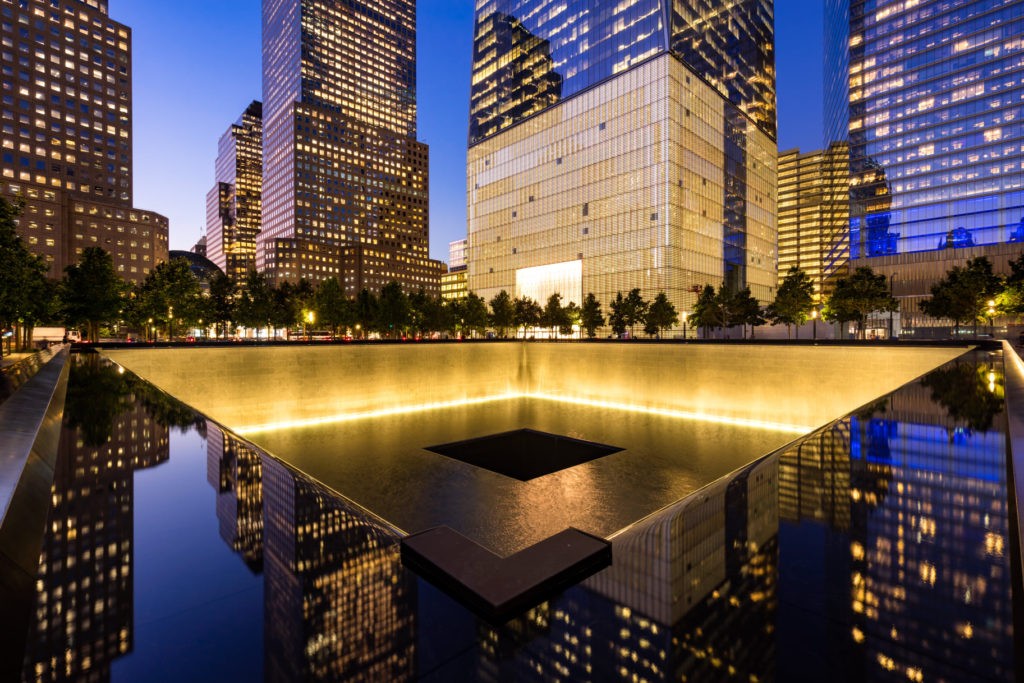
A visit wouldn’t be complete without a contemplative walk around the 9/11 Memorial, where you can read the names of those who perished and admire the cascading waters of the reflecting pools, which now stand proudly in the shadows of One World Trade Center.
Photos : Shutterstock