

With over 130,000 Indian visitors in 2025, Kenya is seeing growing demand for culture, adventure, sustainability, beaches, and immersive travel experiences beyond traditional wildlife safaris.
India Emerges as One of Kenya’s Most Important Tourism Markets
Kenya is witnessing a strong rise in Indian arrivals, with India now becoming the country’s fifth-largest source market globally. Speaking to TFN at OTM 2026, Fiona Ngesa, Deputy Director – Asia, Middle East and Oceania, Kenya Tourism Board revealed that as of December 2025, more than 130,000 Indian travellers had visited Kenya — a number that has already surpassed pre-pandemic tourism levels.

According to Ngesa, India continues to be a key focus market because of the long-standing cultural and historical connections shared by the two countries, particularly through food, spices and community ties.
“India is a really key market for us,” she said, while adding that the Kenya Tourism Board is now actively working to encourage Indian travellers to discover newer and lesser-known aspects of the destination.

Kenya Wants Travellers to Explore Beyond the Masai Mara
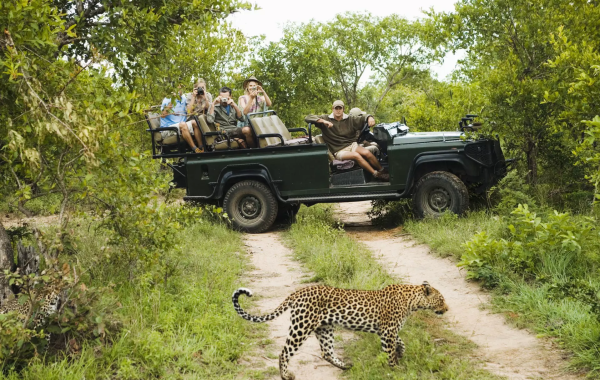
While wildlife remains Kenya’s strongest tourism draw, the country is now trying to broaden its image beyond the classic safari experience.
Ngesa explained that travellers are increasingly seeking meaningful and immersive experiences, ranging from heritage and local culture to city exploration and slower travel experiences.
“People are now looking for meaningful connections,” she said. “They want to discover the cities, explore different destinations and experience the entire Kenya.”
The tourism board hopes this shift in perception will also encourage visitors to extend their stays beyond the typical safari itinerary.
Kenya Is Positioning Itself as a Year-Round Destination
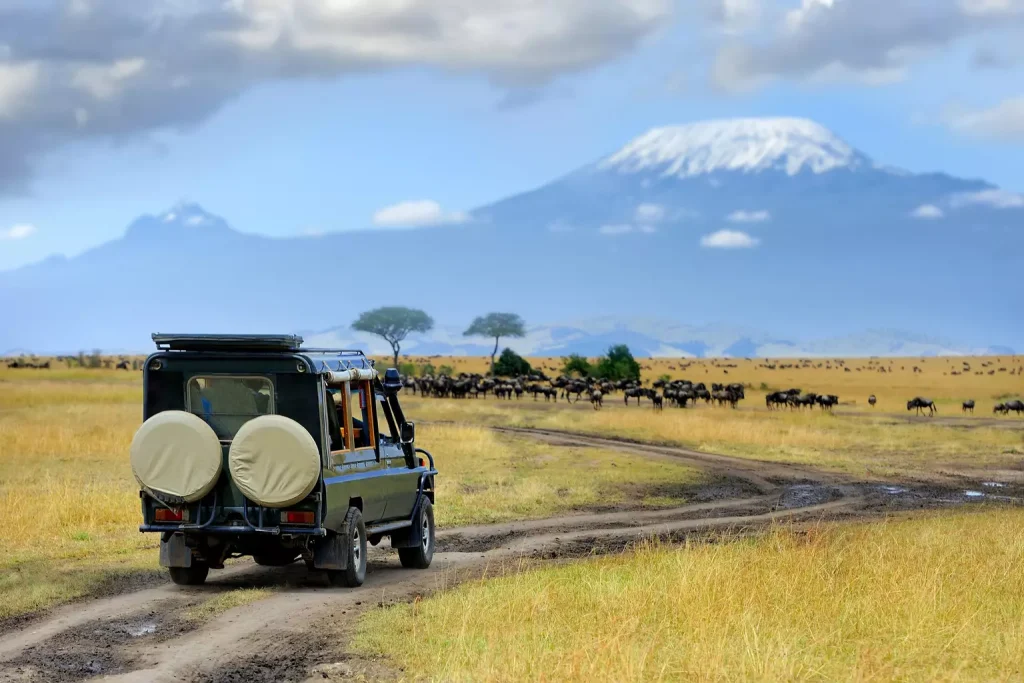
According to Ngesa, Kenya’s climate is becoming one of its strongest selling points.
The country enjoys nearly “360 days of sunshine,” making it attractive across all seasons. While July-August and December remain the peak periods for tourism, the months between January and June offer fewer crowds, better pricing and equally favourable weather.
The relatively short travel time from India — approximately five-and-a-half to six hours — is also helping position Kenya as both a short-break and long-holiday destination for Indian travellers.
Adventure Tourism Is Becoming a Major Focus Area
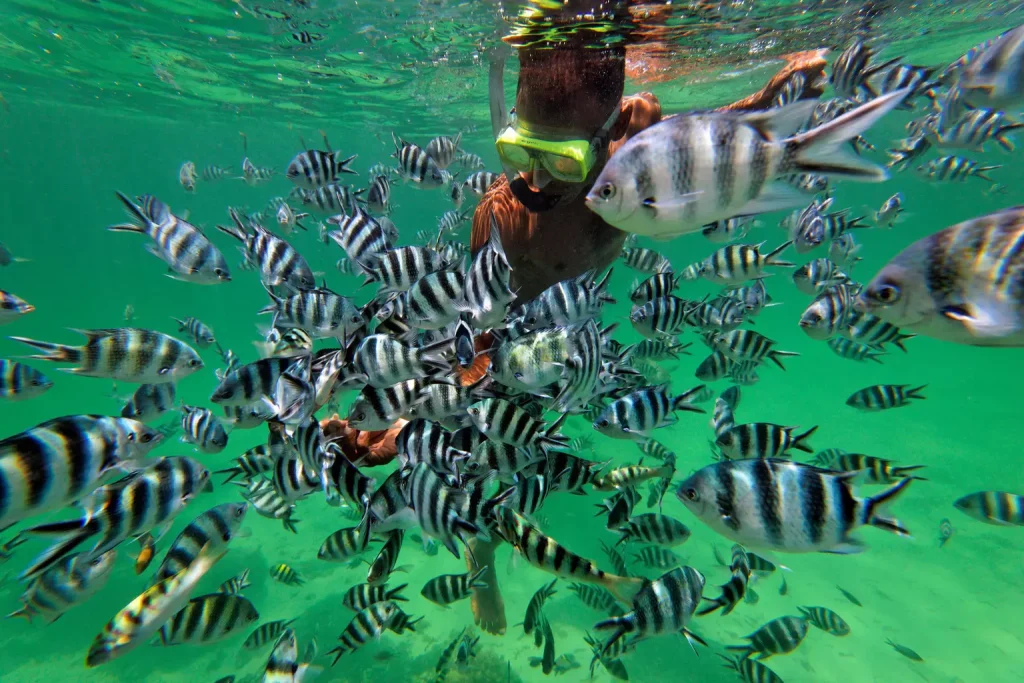
Kenya is also expanding its positioning as an adventure destination.
The country now offers a wide range of experiences including hiking, trekking, balloon safaris, camel rides, horse-riding safaris, walking tours, river rafting and water sports.
For travellers looking for more extreme adventure, Mount Kenya — Africa’s second-highest peak — is emerging as a major attraction. Along the coast, activities such as kitesurfing are also gaining popularity.
“Whether you are looking for mountains, open savannas or the ocean, Kenya has all the options,” Ngesa said.
Kenya’s Coastline and Beaches Remain One of Its Best-Kept Secrets

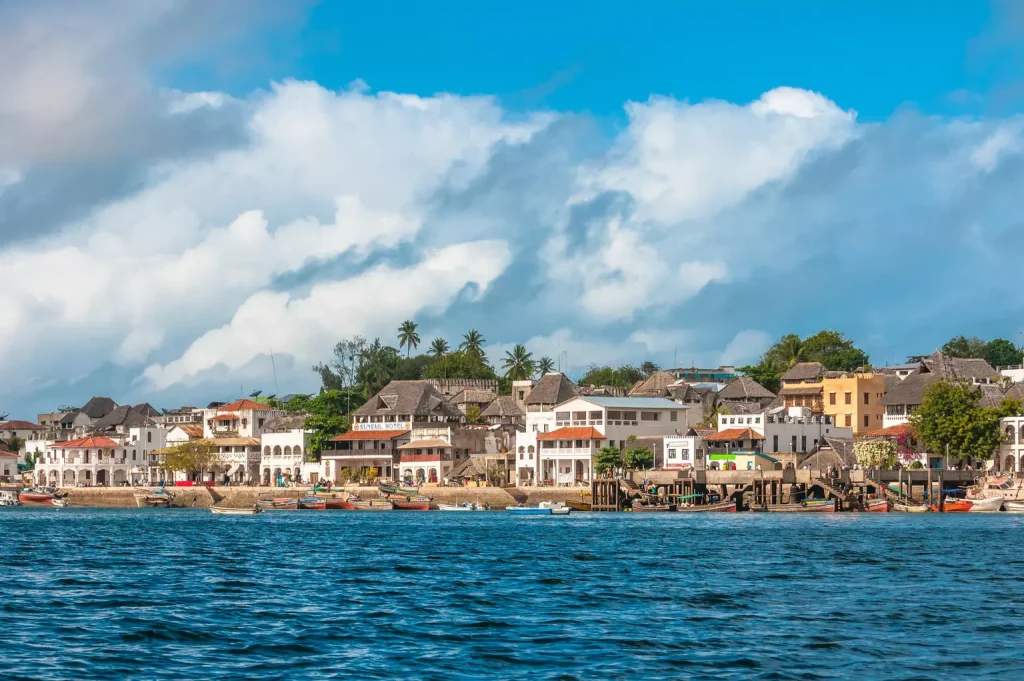
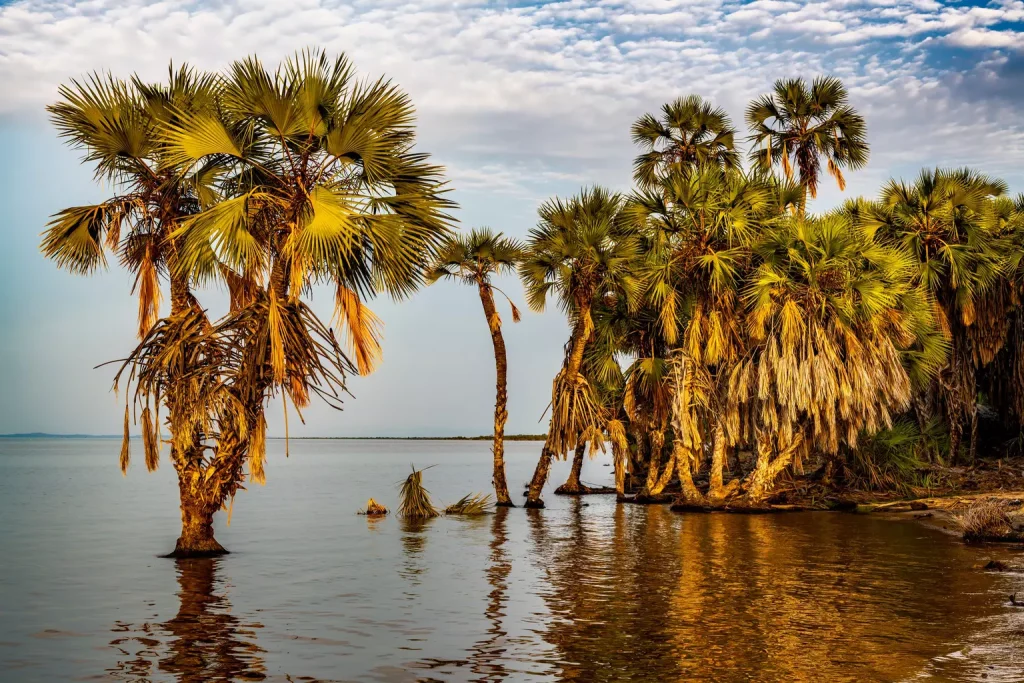
Despite its strong safari image, Kenya is also home to an expansive Indian Ocean coastline — something many travellers still do not immediately associate with the country.
During the conversation, Ngesa highlighted the growing opportunity to showcase Kenya’s beaches and coastal experiences to travellers who are looking for more varied holidays combining wildlife, urban experiences and seaside escapes.
The tourism board believes this broader positioning could significantly increase the average length of stay for visitors.
MICE Tourism from India Is Growing Rapidly
India is also becoming an increasingly important market for Kenya’s MICE segment.
According to Ngesa, the country has seen strong growth in meetings, incentives and corporate groups over the past year, with venues capable of hosting between 300 and 500 delegates.
Kenya’s ability to combine meetings with beaches, city experiences and wildlife excursions makes it especially attractive for corporate travellers and family groups travelling together.
“Families can continue touring while meetings are happening, and later everyone comes together for activities,” she explained.
Cultural Experiences and Homestays Are Drawing Repeat Visitors
One of Kenya’s strongest emerging trends is immersive cultural tourism.
The country now offers homestays, tea and coffee farm experiences, artisan trails and community-based tourism where travellers can actively participate in local life.
Visitors can spend time with farmers, participate in harvesting activities, care for livestock and experience everyday life within local communities.
“It’s authentic,” Ngesa said. “You feel at home rather than feeling like a tourist.”
She also highlighted Kenya’s immense cultural diversity, noting that the country is home to 47 distinct tribes, each with its own traditions, beadwork, cuisine and style of dress.
Among them are the Samburu people — sometimes referred to as the “butterfly people” because of their colourful attire and striking cultural identity.
Sustainability and Eco-Tourism Are Becoming Central to Kenya’s Tourism Push
Sustainability is now a major part of Kenya’s tourism strategy.
According to Ngesa, the country has over 270 conservancies alongside more than 60 parks, reserves and sanctuaries, giving travellers opportunities to engage with conservation and community-led tourism initiatives.
These experiences allow visitors to participate more directly in environmental conservation while supporting local communities.
Vegetarian and Vegan Travellers Are Well Catered To
Ngesa also highlighted how Kenya’s hospitality industry has adapted to changing global food preferences.
Vegetarian, vegan and Indian food options are now widely available across the country — including in cities, wildlife parks, conservancies and coastal destinations.
“Our hotels have taken care to ensure they cater to these tastes and trends,” she said.
Multi-Country African Itineraries Are Becoming Increasingly Popular
Post-pandemic travel patterns are also driving longer, multi-country African holidays.
According to Ngesa, many travellers are now combining Kenya with destinations such as Rwanda, Uganda, Tanzania and South Africa.
The East Africa Tourist Visa — which allows seamless travel across Kenya, Uganda and Rwanda — has further strengthened this trend.
“The Idea Is to Show Kenya Beyond the Masai Mara”
For the Kenya Tourism Board, the broader mission is clear.
“The idea is to show Kenya beyond the Masai Mara,” Ngesa said during the interaction.
While iconic wildlife experiences will always remain central to Kenya’s appeal, the country is increasingly presenting itself as a destination where beaches, adventure, culture, sustainability and community experiences exist alongside the safari — offering travellers a far richer and more layered African journey.
For latest travel news and updates, food and drink journeys, restaurant features, and more, like us on Facebook or follow us on Instagram. Read more on Travel and Food Network

A New Yorker at heart, an unapologetic anglophile, national parks explorer and former head of National Geographic publishing in India, Ritika is the Global Editor for Travel and Food Network and leads all journalism across platforms, including news, digital, videos, and social media. She writes features focused on narrative storytelling, industry trends, destinations, culinary travel, and how-to advice and is an advocate for sustainable travel. You can follow her on Instagram @newyorkeratheart