
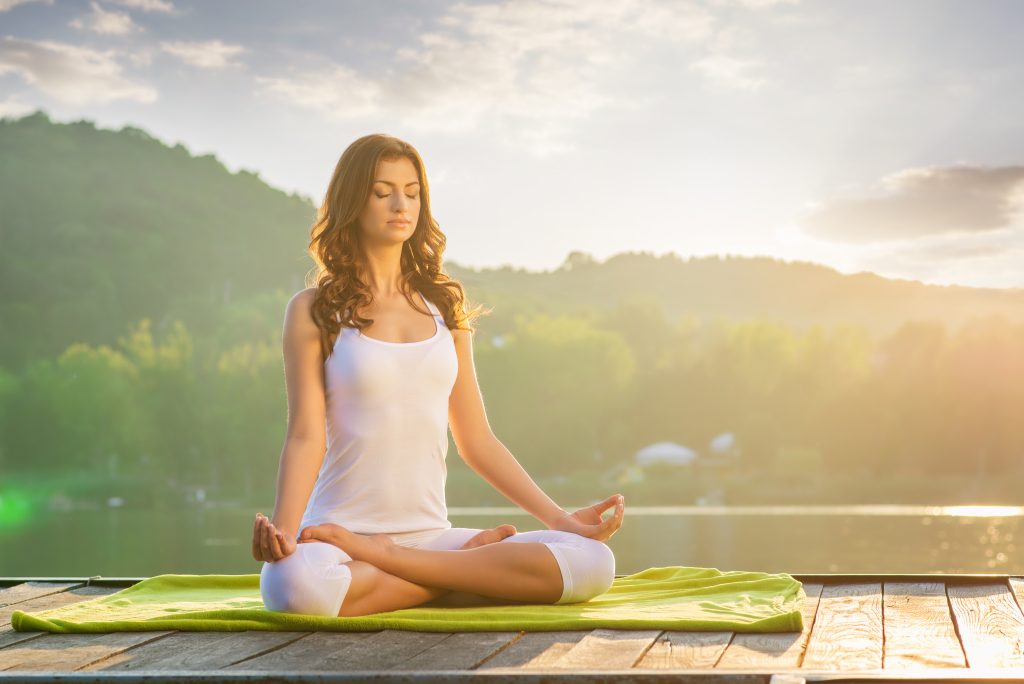



Yoga by the shore, ancient healing traditions and a growing movement towards travel that restores more than it takes.
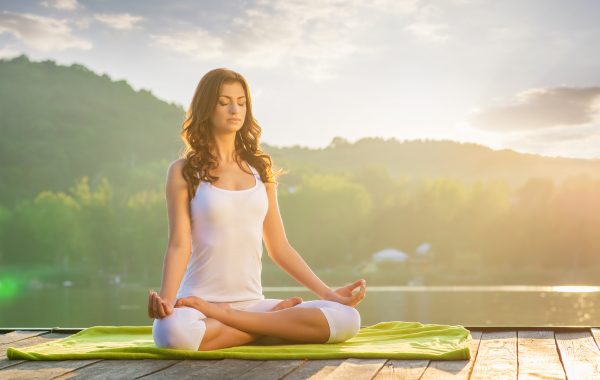
It’s 2026, and travel is shifting. It’s no longer just about ticking off monuments or chasing adrenaline. Increasingly, it is about arriving somewhere and feeling different when you leave. Imagine beginning your day with yoga as the sky turns gold, followed by an Ayurvedic massage, warm oil pressed into tired muscles, slow and attentive. And this is not tucked away in some remote retreat. It unfolds against the backdrop of Goa’s expansive, salt-tinged beaches.
We often speak of Goa in clichés: the beaches, the seafood, the last-minute flight out of the city. And all of that is true. The sea is generous, the days stretch out and water sports sit comfortably beside long afternoon naps.
But there’s another rhythm here. Yoga by the shore. Ayurvedic treatments rooted in older knowledge systems. Naturopathy, holistic healing and spaces that invite visitors to slow down rather than consume. Goa doesn’t just entertain. It restores.
The Restorative Side of Goa
Beyond its lively beaches and easy holidays, Goa holds another reputation, one rooted in wellness and healing.
Across the state, yoga is practised as a philosophy of living rather than simply a morning routine. Retreat centres and studios welcome practitioners of every level, from curious beginners stepping onto a mat for the first time to seasoned yogis seeking deeper immersion. Many programmes unfold over days or weeks, creating space for reflection, discipline and genuine transformation.
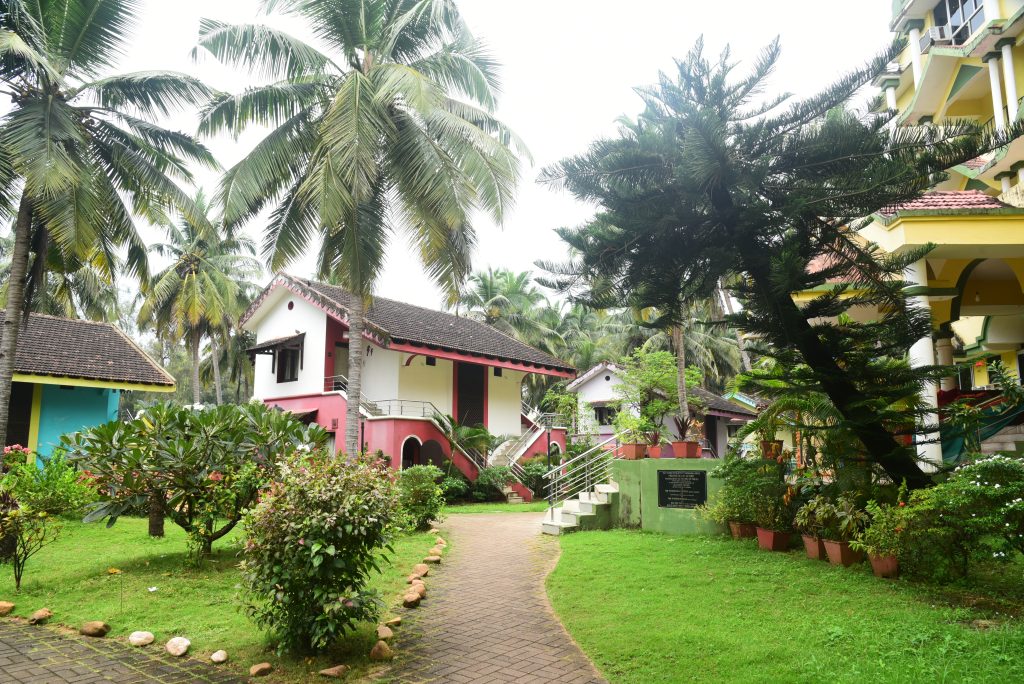
This culture of wellness stretches across the state. In North Goa, the beaches of Arambol, Mandrem and Morjim have long attracted yoga communities and holistic retreats, while nearby Assagao has emerged as a hub for boutique wellness spaces and intimate studios. Panaji offers specialised clinics and evolving medical wellness collaborations. Further south, the quieter shores of Palolem, Agonda, Benaulim and Betalbatim provide a more secluded setting, where yoga sessions and restorative therapies unfold against an unhurried coastal rhythm.
Alongside yoga, Ayurveda forms another pillar of Goa’s wellness identity. Practitioners draw on the region’s botanical heritage and a tradition of personalised care, offering treatments ranging from Panchakarma detox programmes to therapies that support sleep, immunity and stress management. The ecosystem has been strengthened through a collaboration between the Goa Department of Tourism and the All India Institute of Ayurveda, a national centre of excellence under the Ministry of AYUSH.
Naturopathy and other holistic healing traditions complete the landscape. In places like Arambol, wellness centres offer programmes that combine therapeutic nutrition, hydrotherapy, meditation and breathwork. A meditation session by the sea. Sound healing in forest clearings. Detox programmes shaped by Goa’s coastal abundance, fresh produce, clean air and the luxury of time moving slowly.
In Goa, wellness is less about a quick reset and more about returning to balance. The invitation is not simply to visit, but to stay awhile and allow the place to work on you.
Goa’s Travel Reset
Goa is beginning to rethink what tourism should mean for the place itself. With India’s first regenerative tourism framework, the conversation is shifting from how many people arrive to what their presence leaves behind.
Regenerative tourism goes a step beyond sustainability. Where sustainable travel focuses on minimising harm, regenerative travel asks how tourism can actively improve a place. The goal is to restore ecosystems, strengthen communities and support the cultural traditions that shape a destination’s identity.
Travel that Gives Back
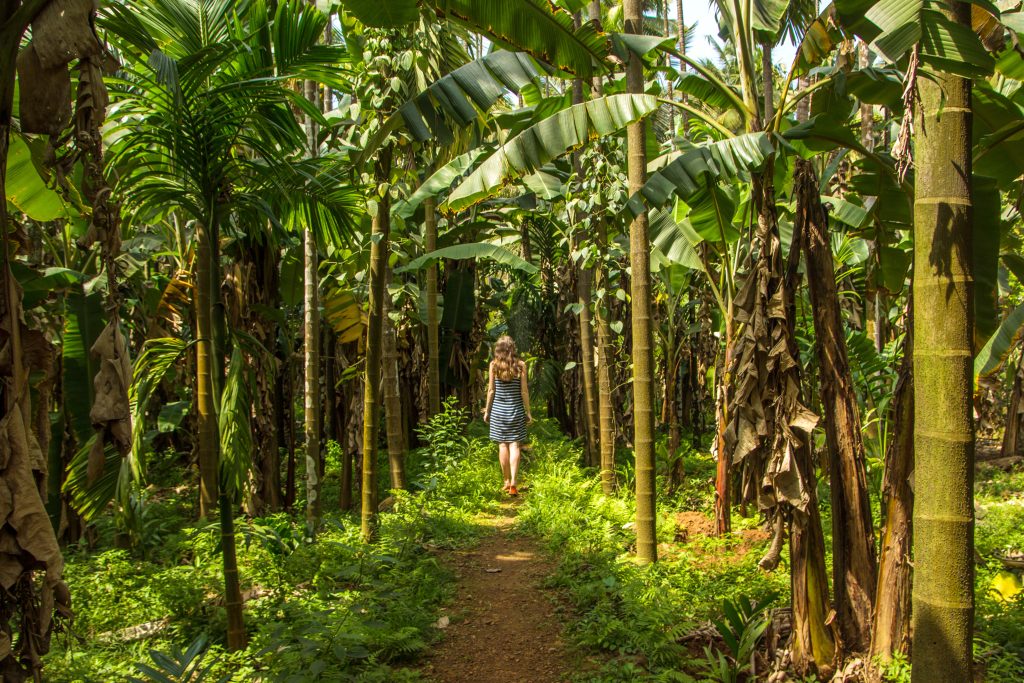
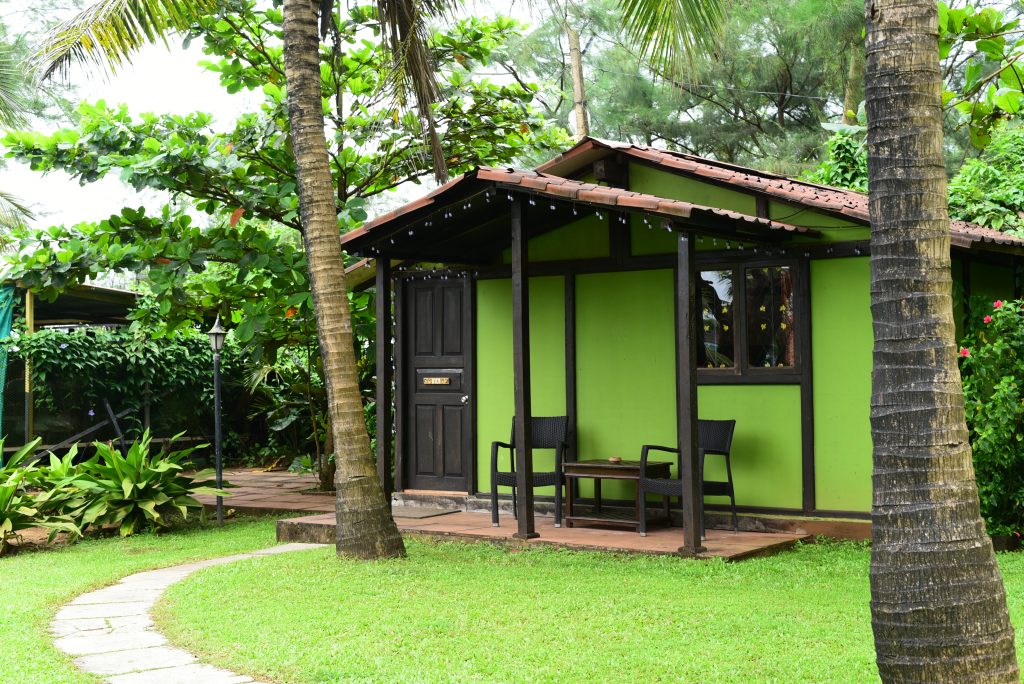
Across Goa, this vision is taking shape through new forms of travel. Eco stays and lowimpact accommodation connect visitors with the state’s quieter landscapes. Travellers wander through the paddy fields of Cansaulim, Taleigao and Divar Island and into the agricultural hinterlands of Salcette and Bardez, where village life unfolds at an unhurried pace.
Along the coast, fishing villages such as Betul offer a glimpse into Goa’s maritime heritage. Further south, Palolem, Agonda and Benaulim combine scenic beaches with small community-led tourism experiences, while lesser-known hamlets like Nuvem retain a quieter connection to the sea.
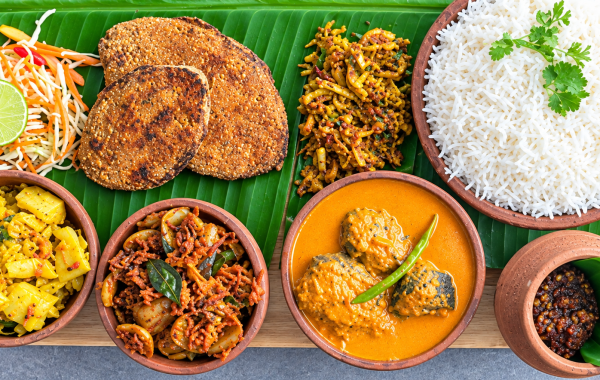
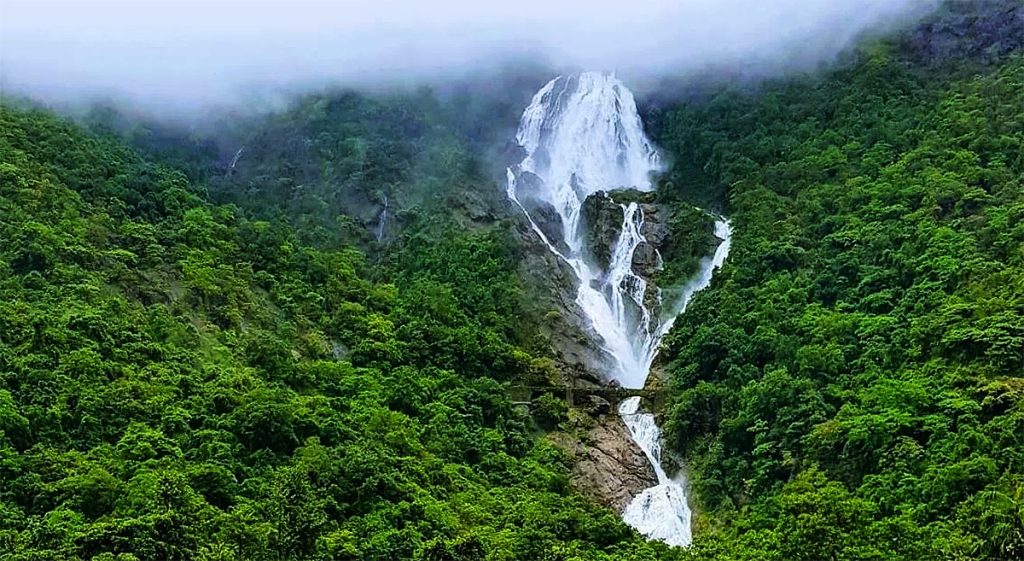
Inland, the landscape shifts again. The spice plantations of Ponda, along with estates scattered across Sattari, Sanguem and Bicholim, invite travellers into the lush foothills of the Western Ghats. Guided walks through pepper, cardamom and nutmeg groves often end with traditional Goan meals served beneath dense tropical canopies.
Community tourism places local residents at the centre of the experience. Visitors share meals with Goan families, learn traditional crafts from artisans whose skills span generations and participate in initiatives that support the protection of coastlines, forests and rivers. In villages such as Orlim and Benaulim, home dining experiences showcase traditional Goan cooking, while Rivona’s farm-to-table initiatives connect travellers directly with local agriculture. These encounters ensure tourism revenue flows into local communities while sustaining the cultural traditions that shape everyday life in Goa.
Conservation experiences invite travellers to participate in protecting the state’s ecosystems. Turtle nesting observations on protected beaches, reforestation walks in the Western Ghats and community clean-up initiatives along rivers and shorelines encourage visitors to engage with Goa’s natural environment responsibly.
A New Rhythm of Travel
For many travellers, Goa still begins with a familiar dream: sunlit beaches, carefree days and the kind of friendships immortalised in Dil Chahta Hai. That version of Goa still exists.
But today, the journey can unfold differently. Beyond the shoreline lies a more contemplative Goa shaped by wellness traditions, village life and landscapes that invite visitors to pause and stay a little longer.
This shift is no accident. Across the state, a new approach to tourism is taking root, one that values community, conservation and the long-term well-being of the destination.
You may arrive chasing the familiar holiday, but you might leave having discovered something deeper. In Goa today, travel is not just about escape. It is about leaving the place better than you found it.

Although she is a copywriter by profession, Ishani loves writing longer sentences and harp on all kinds of details. She has worked with multiple brands for social media strategy, written longer editorial pieces as well and would ideally love to quit it all to travel the world. Until she can, she believes, “ words are all I have..”