



An introduction to the diverse and delicious cuisine of everyone’s favourite holiday destination.
Fish, curry and rice. It is easy to sum up (or dismiss) Goan cuisine using these three staples. Yet, there’s more to the cuisine of everyone’s favourite holiday destination than these items. Goan cuisine is a delicious and absolutely symbiotic blend of coastal fare, seasonal greens, remnants of 451 years of colonial rule and the beauty of farm to table.
It’s a cuisine shaped by geography, land and the sea.
Once upon a time, Goans were largely farmers and fisherfolk. They lived according to the rhythms of the land and the animals they used to farm it and the cycles of the moon (for fishing). Dishes were cooked with care and using available local ingredients. Food knowledge was passed orally — every dish had a certain method of preparation and was eaten at a certain time and in a certain way.
The change happened slowly, owing to industrial and technological advancements and heavily influenced by the many kingdoms and dynasties that ruled this tiny pocket of land: Maurya, Kadamba and finally the Portuguese. There’s no denying that 451 years of colonial rule deeply impacted the state’s cuisine, bringing in new ingredients — chillies, cashew – making of vinegar; and new staples – the various breads.
Today, fishing still remains a large part of Goan industry and fish of Goan life. Eating local and seasonal continues in some villages and the hinterlands. The summer months are still used to prepare purument (stocking up on essential food supplies like; dry fish, chillies, tamarind, kokum) for the monsoon season. Goan food is as much about its history as it is about its present.
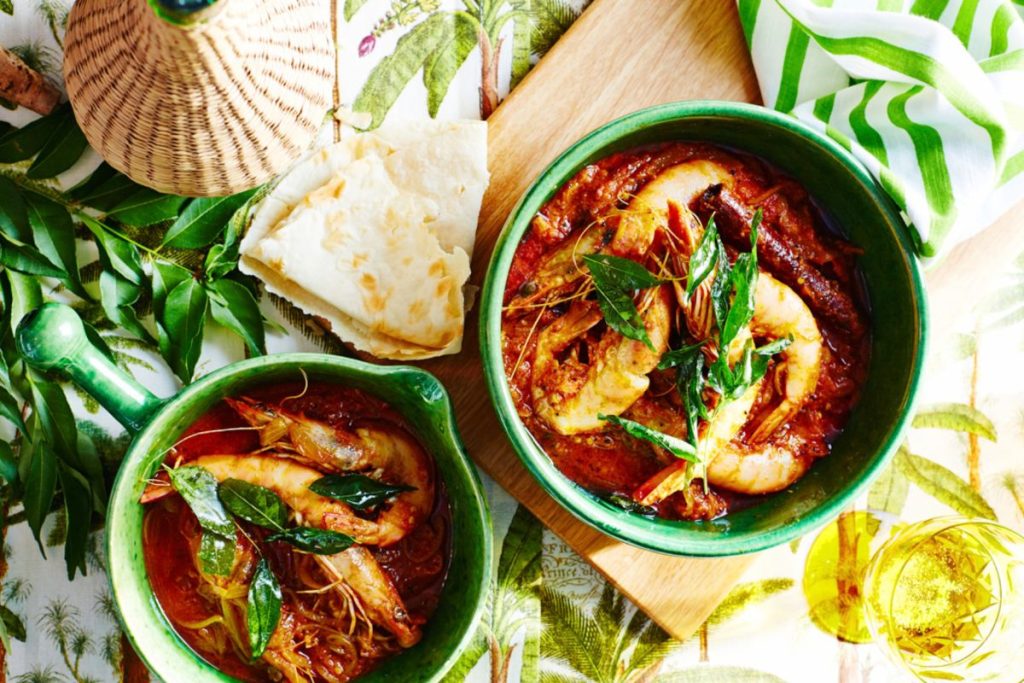
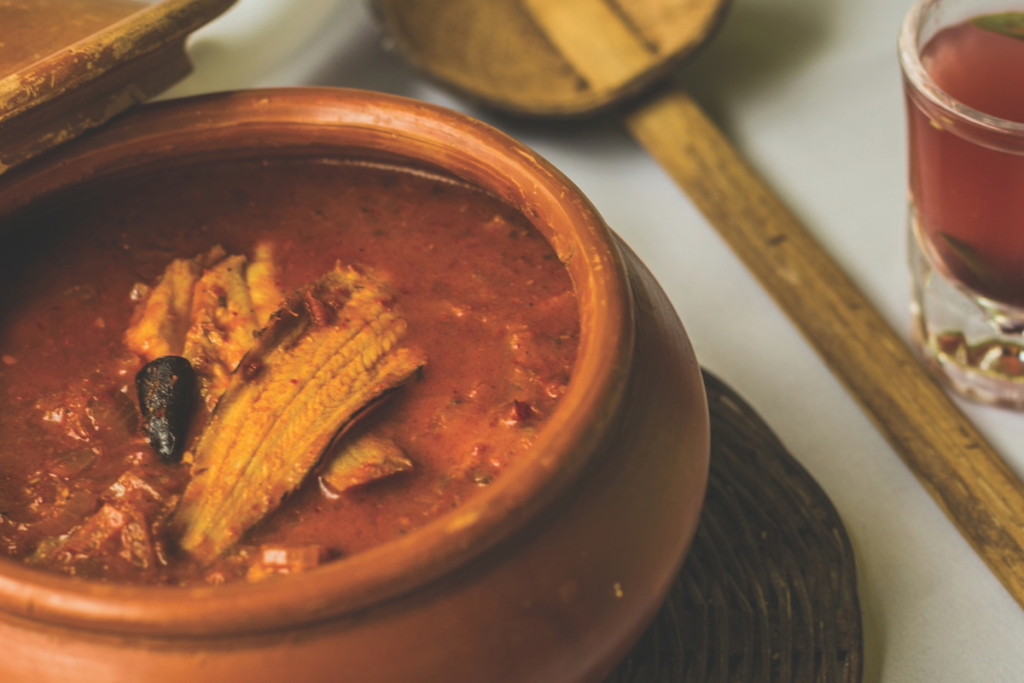
Say Goa and a few dishes come to mind: vindaloo and sorpotel – those spicy, porky vinegar-laced stews/curries; fish curry – the curries vary according the fish, the souring agent and who is cooking it; xacuti – a coconut-rich chicken curry; ambot-tik – tangy and spicy shark curry; choris – Goan spiced pork sausages; and of course, the poee (flat, leavened bread). In street fare, there’s the iconic cutlet/choris pao and ross omelette – a chicken xacuti curry served with omelette.
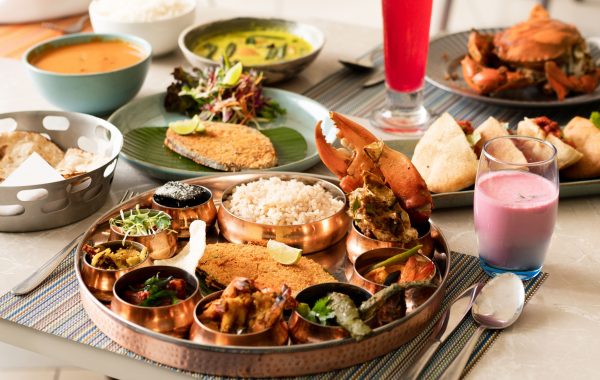
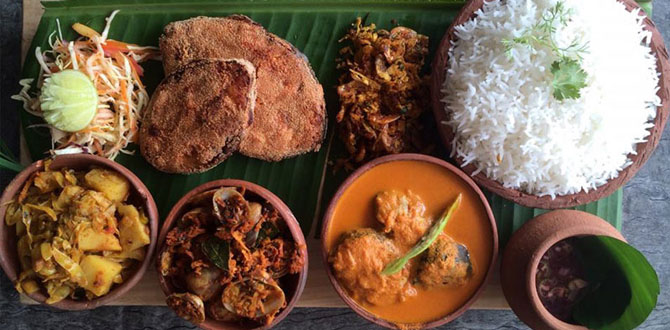
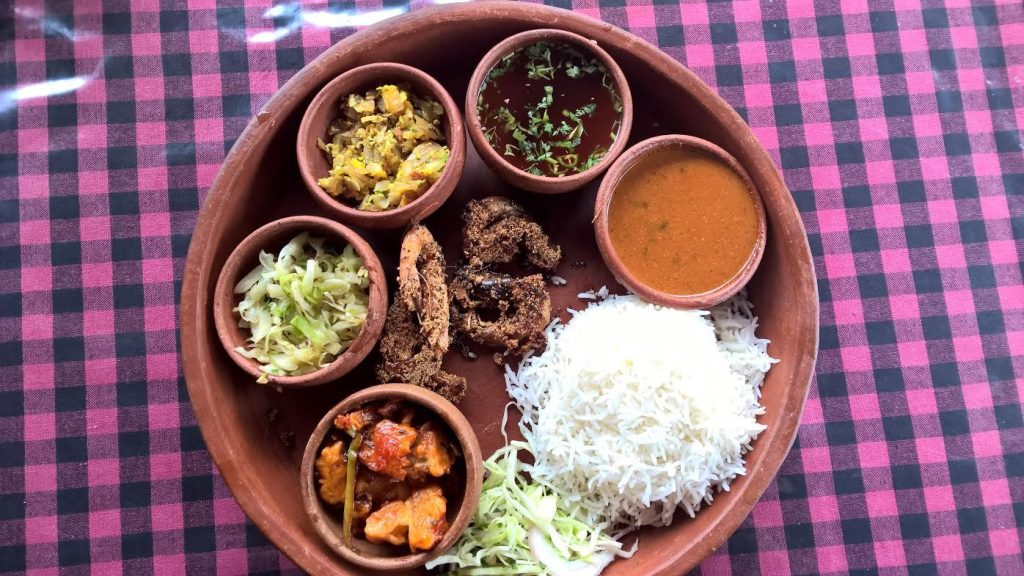
You cannot go wrong with eating a fish-curry-and rice in Goa, ideally at a thali spot. The popular thalis showcase bounty: variety of fried fish and seafood (kingfish, mullet, mussels, shellfish, crabs, prawns, sole fish, anchovies, shrimp and more), spicy coconut curries flecked with local spices, a shrimp salad (kismur), some local vegetable and rice.
If a thali is the quintessential Goan food experience, drinking feni (and urrak) is its beverage equivalent. Goa’s beloved feni, made from the juice of cashew apple or of coconut palm sap, is a refreshing elixir. Urrak, the first distillate of cashew feni, is a beloved summer refresher typically enjoyed with a lemonade, salt and a green chilli.
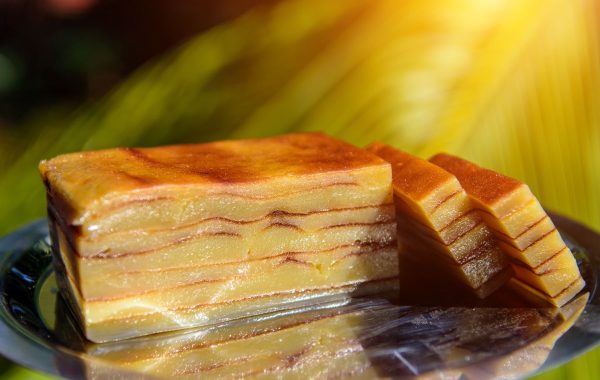
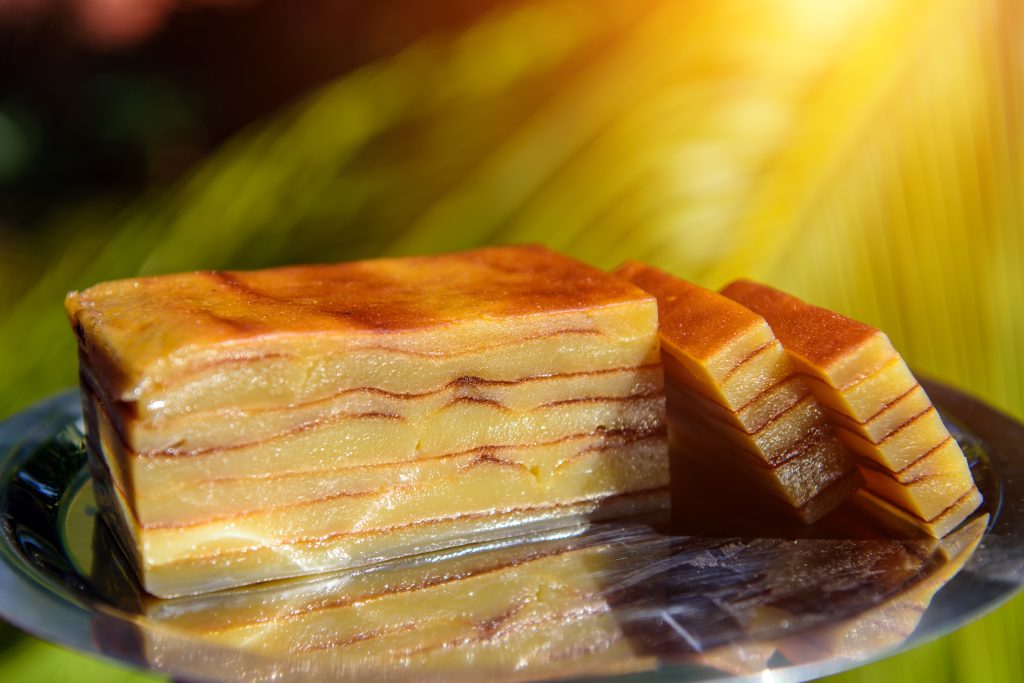
No Goan meal truly ends until something sweet arrives at the table. The queen of them all is the bebinca, a layered confection of egg yolk, coconut milk, ghee and nutmeg. Alle belle — silken crepes filled with coconut and jaggery — offer a gentler pleasure, while caramel pudding melts on the tongue with barely a whisper. For something more textured, khaje — deep-fried besan sticks encrusted in ginger-laced jaggery and sesame — deliver a nostalgic crunch. Perad (guava cheese), dodol (dark palm jaggery halwa), the aromatic steamed patoleo and festive staples like bol, neuri, doce de grao and sanna round out a repertoire that tells the full story of a cuisine that knows exactly how to end on a high note.
The last few years have seen a steady boom in Goa’s culinary landscape, with restaurants and restaurateurs from across the country flocking to Goa to start something new. In North Goa, many old Goan homes have been refurbished into cosy dining spots, promising every kind of cuisine. Indian chefs have opened branches of existing restaurants in the state, catering to a swelling clientele of visitors and migrants settled here.
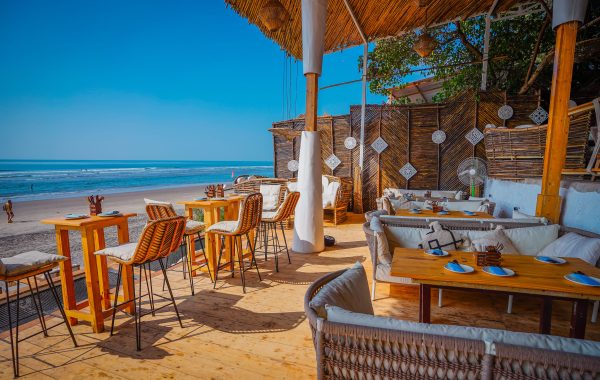
There are cosy cafés in Assagao, Anjuna and Aldona offering a plethora of baked goods and fine dine restaurants. Meanwhile, the beaches along the Calangute-Baga-Candolim-Anjuna-Vagator stretch remain lined with shacks and sundowner spots offering great views, global fare and plenty of fish for those seeking their coastal fix. The Morjim-Arambol belt up north has places doing vegan, healthy, raw food. The capital, Panaji, has a good mix of everything — cafés, good bars, dining spaces and old bakeries and eating houses.
Expectedly, Goa’s beverage scene is booming too, aided by growing interest and an exciting homegrown spirits movement. Whiskey, wine, rum, gin, beer: many award-winning and leading spirit brands are now made in Goa. This has, in turn, led to a booming and exciting hospitality culture with celebrated bars and mixologists turning out noteworthy cocktails.
There are many ways to experience the breadth and diversity of Goan food, beyond restaurants and cafés. There are long, slow, elaborate lunches by chefs and home chefs in people’s farms and in some restored stately old Goan homes in Loutolim, Margao and other parts of South Goa. Local community markets offer Goan dishes, local fruits and vegetables and even saplings. There are culinary trails focussing on different and unique aspects of the cuisine like the making of poee (local bread), fishing and exploring those old drinking establishments, tavernas. Festivals like The Cashew Fest or Forest Diversity Festival supported by the Government also showcase Goa’s food.
Goa’s Spice Plantations
One exciting way to understand Goan food is to go back to the source: spices. After all, Goa was a major port for the Portuguese to control the trade of black pepper, cinnamon and cloves and to showcase dominion over India’s south west coast. Goa, today, abounds in spice plantations, especially in the hinterlands of Ponda. These farms grow every kind of spice, have some fruit trees, herbs and vegetables and often, an old mud home.
It is a chance to go back to nature, understand the many spices that flavour Goan cooking, see the process of making cashew feni (if in season). These spice farms are open to visits, which involve a tour of the farm, followed by a lavish home-cooked Goan meal — it’s a picnic in nature. Some farms also offer adventure activities and a pool/waterfall (popular in summer and the monsoon) as fun for the whole family.
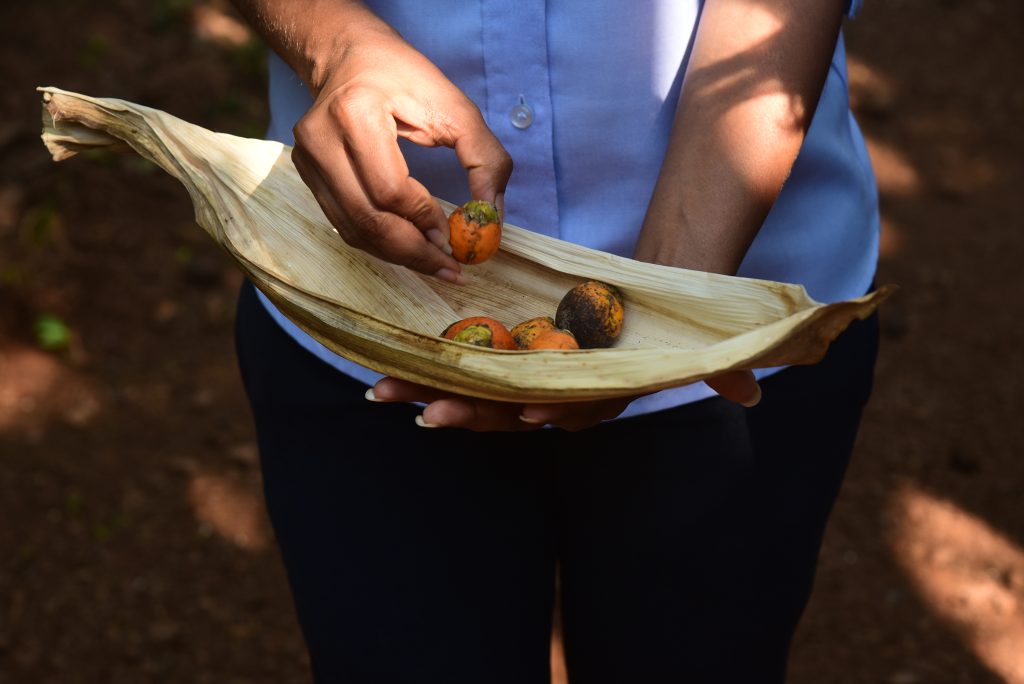
Importantly, these farms offer an understanding of the old Goan way of life where farming and growing produce was integral, where the land was respected and where farm-to-table was a way of life. Goa’s food is generously flavoured with spices and deep historical influences.

Always a tourist, Joanna Lobo’s love for travel is only matched by an unbridled passion for food. The freelance journalist from Goa enjoys writing stories about her explorations around the world, the food she eats, and the people she meets. Her current passion is documenting her home state of Goa. She also moonlights as an editor with Goya Media. Follow her on @thatdoggonelady | @goawithjo on Instagram.