
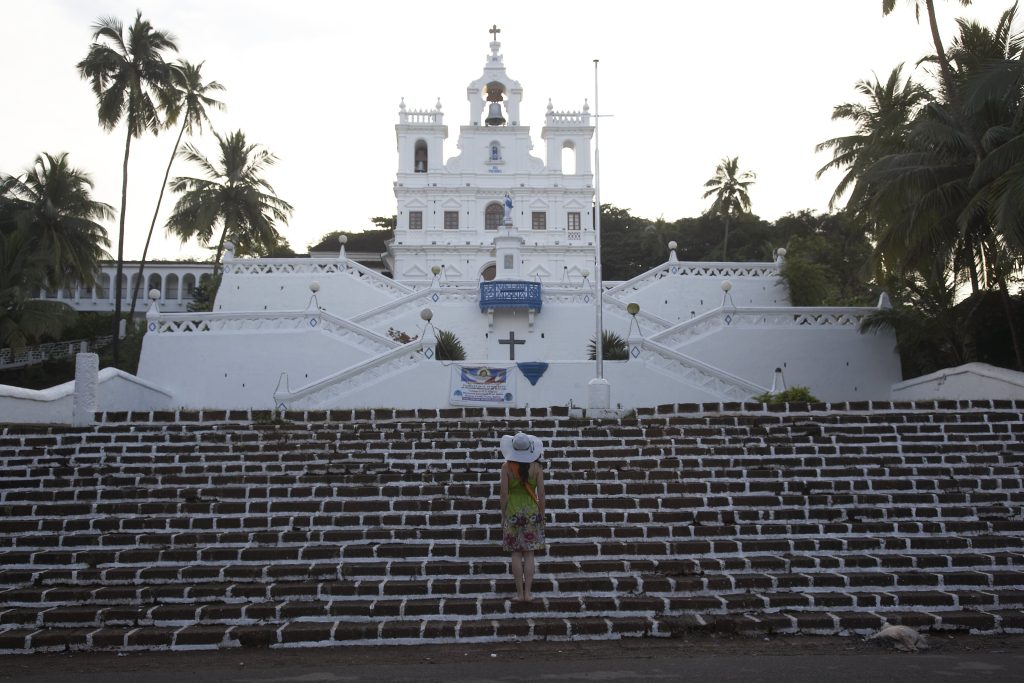



Discover Goa’s multi-faith heritage through its temples, churches, sacred festivals and spiritual traditions that shape the state’s cultural fabric.
Look beyond the coastline and you’ll find that Goa holds far more than the promise of sun and sea — one that harbours a spiritual side beckoning seekers of inner peace and enlightenment. Here, spirituality is woven into the rhythm of everyday life — in the ring of temple bells, in the baroque splendour of churches, in the muezzin’s call echoing through old neighbourhoods, in the fragrant marigold garlands draped at roadside shrines. For centuries, ancient Hindu kingdoms, Portuguese colonial legacy and Islamic tradition have coexisted in remarkable harmony, giving rise to a landscape where some temples and churches share the same storied terrain and where Diwali and Christmas are both cause for communal jubilation.
Beyond its monuments, Goa’s spiritual life lives on in temple fairs, church feasts and village processions that bring entire communities together— offering travellers a chance to explore a quieter, deeply rooted side of the state through its sacred circuits and enduring traditions.
Goa’s UNESCO Heritage Sites: Sacred Landmarks of Faith and History
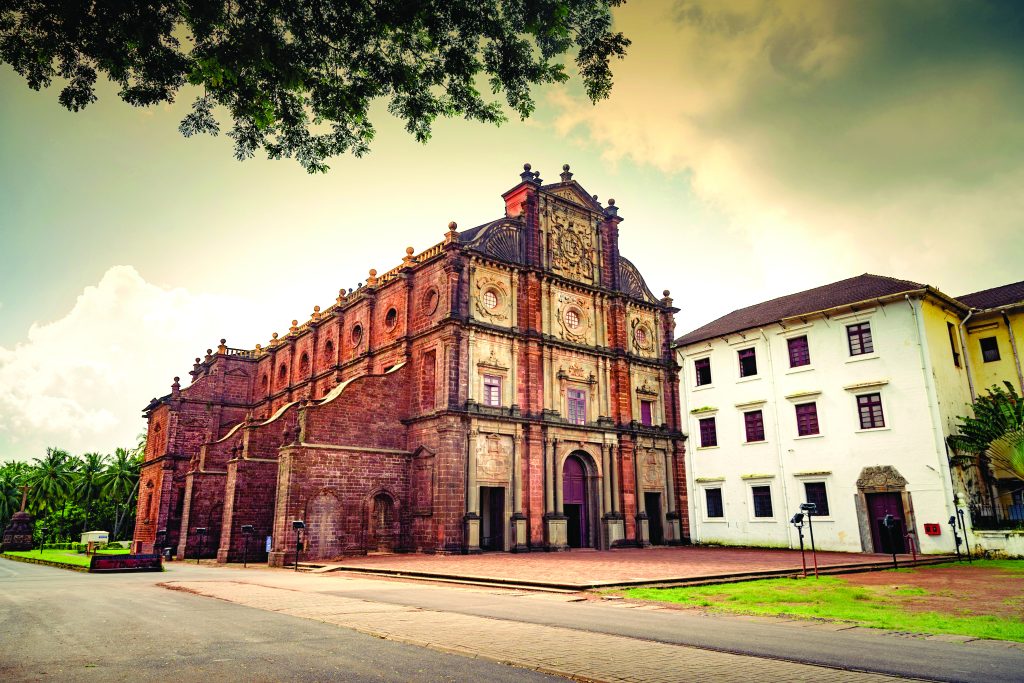
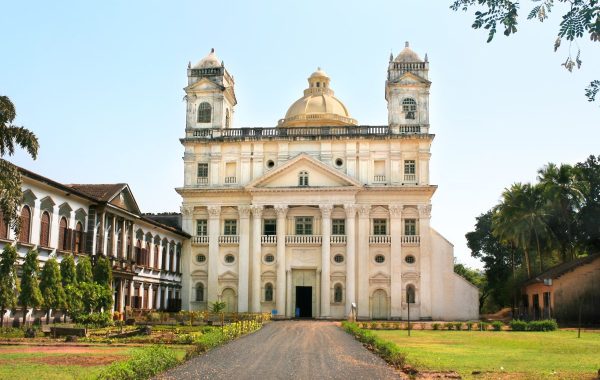
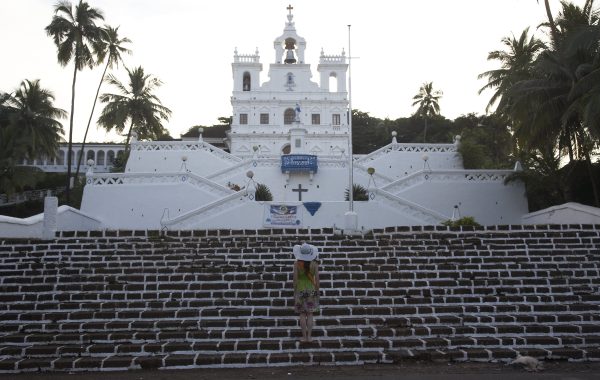
Old Goa’s UNESCO World Heritage Churches offer one of the most compelling journeys into the state’s spiritual and historical past. Once the capital of Portuguese India, this historic enclave is home to some of Asia’s most remarkable ecclesiastical architecture—grand basilicas, quiet chapels and centuries-old convents that reflect a time when faith and empire shaped the landscape. Walking through Old Goa feels almost like stepping into an open-air museum of living devotion, where sacred landmarks stand within close proximity, forming the UNESCO-listed ensemble known as the Churches and Convents of Goa.
Among the most revered is the Basilica of Bom Jesus, which houses the relics of St. Francis Xavier and draws pilgrims from around the world. Nearby stands the monumental Se Cathedral, one of Asia’s largest churches, famous for its Golden Bell and vast interiors. Within the same precinct are the ornate Church of St. Francis of Assisi and its adjoining Archaeological Museum, the modest yet historic Chapel of St. Catherine and the elegant Church of Our Lady of the Rosary, one of Goa’s oldest surviving churches overlooking the Mandovi River. Completing the ensemble are the domed Church of St. Cajetan, inspired by St. Peter’s Basilica in Rome and the evocative ruins of the Church of St. Augustine, whose solitary laterite tower still dominates the skyline, stand as powerful reminders of Goa’s centuries-old spiritual and architectural legacy.
Temples
While Old Goa’s churches reflect the state’s colonial-era spiritual legacy, Goa’s temple traditions tell an even older story—one rooted in village life, riverbanks and sacred landscapes that have shaped worship for centuries.
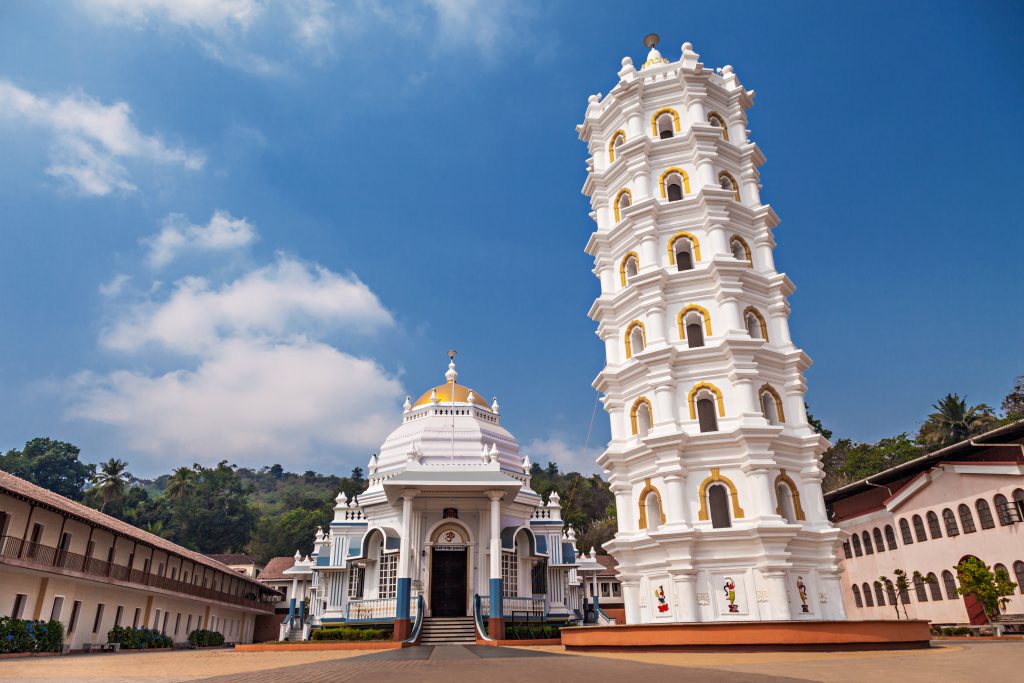
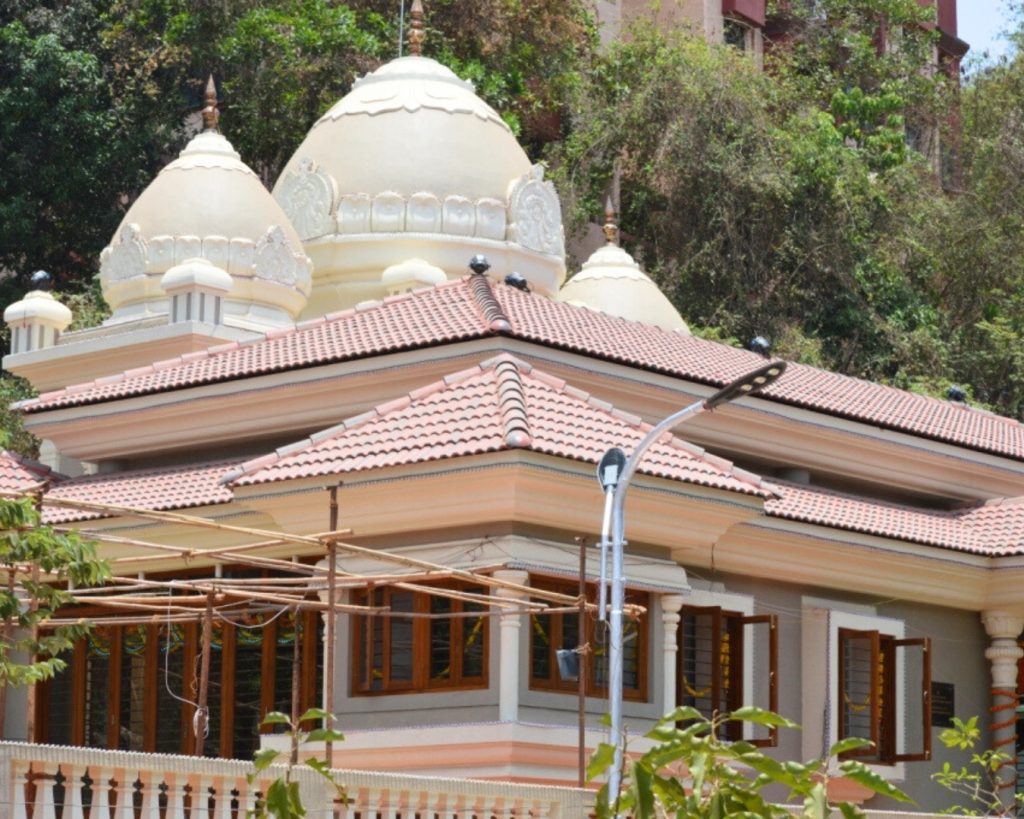
One of the most meaningful ways to experience Goa’s spiritual and cultural heritage is through the Ekadasha Teertha Yatra, a curated temple circuit that brings together eleven important temples across the state. Spread over three days, the journey takes visitors beyond Goa’s familiar beaches and into villages, forests, riverbanks and historic temple towns, offering a closer look at the traditions that continue to shape the state’s cultural identity.
Day one begins at the Shree Mahaganapati Devasthan in Khandola, before moving to the Shree Devkikrishna Devasthan in Marcel, known for its unique tradition of worshipping Lord Krishna alongside his mother, Devaki. The journey continues to Shree Anant Devasthan in Savoi- Verem and then into the forests of Mollem to the Shree Mahadev Temple at Tambdi Surla. Built in the 12th century, the temple is regarded as Goa’s oldest surviving temple structure and is known for its distinctive architecture and setting amid the Western Ghats.
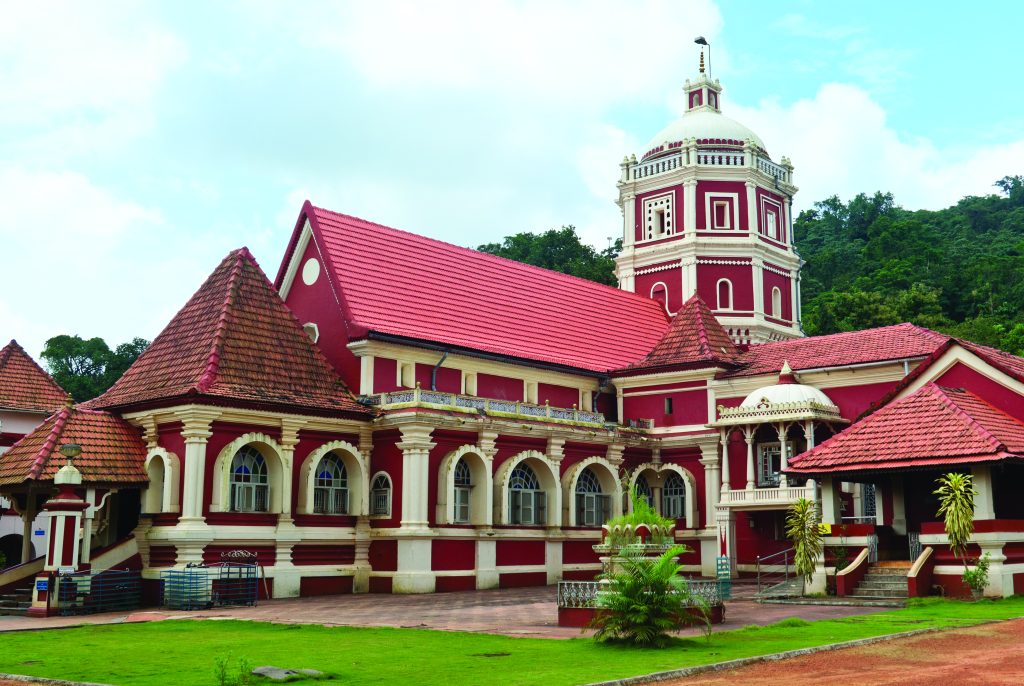
Day two takes the journey northwards to Shree Brahmadev Devasthan at Brahma Karmali in Valpoi, home to a rare Brahma idol associated with Goa’s Kadamba-era heritage. The route then continues to Shree Saunsthan Dattawadi in Sankhali, followed by the historic Shree Saptakoteshwar Devasthan at Narve. The temple holds a special place in Goa’s history, having been restored under the patronage of Chhatrapati Shivaji Maharaj in the 17th century.
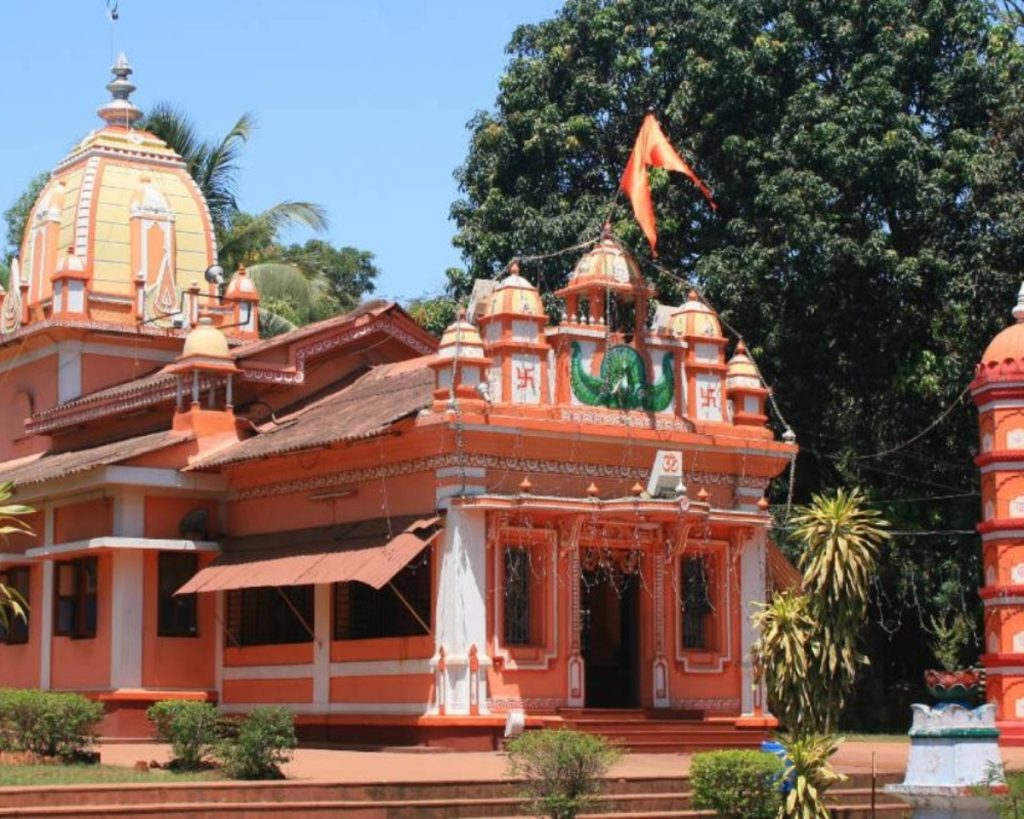
Day three brings the journey into South Goa. It begins at Shree Parashuram Devalaya in Poinguinim, associated with the Hindu legend of Parashuram and the creation of Goa. The route then continues to Shree Shantadurga Kunkalikarin Devasthan at Fatorpa, before moving to Shree Damodar Temple in Zambaulim, an important centre of devotion and traditional celebrations. The circuit concludes at Shree Hari Mandir in Margao, bringing together eleven temples and three days of exploring Goa’s living spiritual traditions.
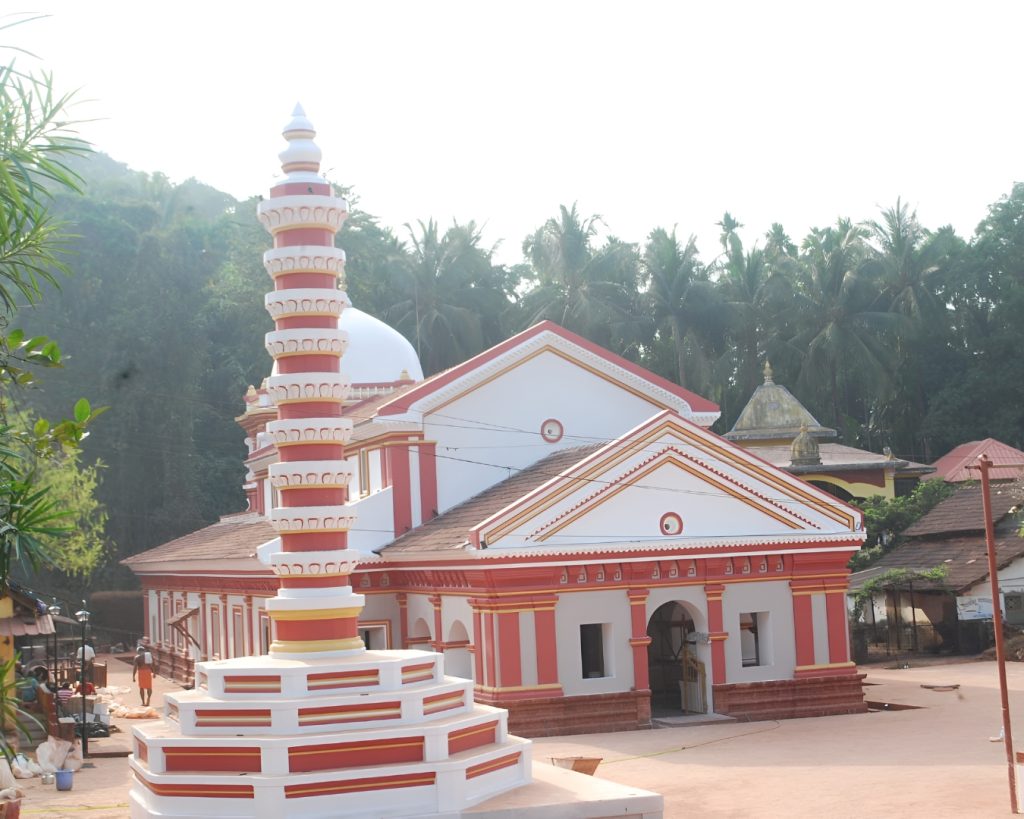
What makes the Ekadasha Teertha Yatra distinctive is that it is not simply a temple trail. It offers a glimpse into the communities, stories, architecture and traditions that have kept these sacred spaces alive across generations. For visitors looking at experiencing a different side of Goa, the journey provides an opportunity to discover the state through its faith, history and local culture.
Where Faith Turns to Celebration:
Goa’s Sacred Festivals Festivals lend Goa’s spiritual landscape its colour, rhythm and unmistakable sense of community. Across the state, temple courtyards and village streets come alive during celebrations such as Shigmo, São João, Chikhal Kalo in Marcel, Tripurari Poornima in Sankhali, Gulalotsav in Zambaulim, Dindi Utsav in Margao, the dramatic Shirgao Jatra and Makharotsav during Navratri. Each festival carries its own distinct character—some marked by vibrant processions and music, others by ritual, dance and moments of quiet devotion.
A New Chapter in Goa’s Spiritual Landscape
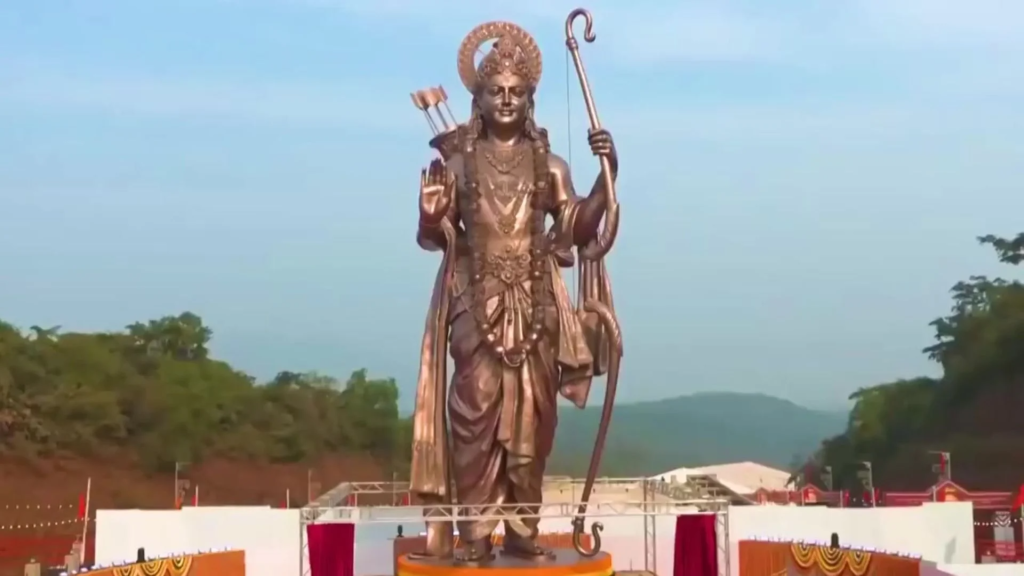
Goa’s evolving spiritual landscape continues to welcome new landmarks as well. A towering idol of Lord Ram, among the tallest in Asia, now rises near the Shree Sansthan Gokarn Partagali Jeevottam Math, becoming a focal point for devotion amid lush surroundings.
Across Goa, several temples and churches have also undergone careful restoration in recent years with support from the Goa Tourism Development Corporation (GTDC). Infrastructure upgrade—from improved walkways and lighting to parking and visitor facilities—have helped make these sacred spaces more accessible while preserving their historic character.
Future initiatives such as the Gomant Sarita Poojan Project at Narve along the Mandovi River—envisioned as a riverfront spiritual space with ceremonial Ghat Aarti and visitor facilities—signal how Goa is thoughtfully expanding its sacred circuits while honouring long-standing traditions of faith and community.
Across Goa, village life still moves to the quiet rhythm of these sacred spaces. For those willing to slow down, Goa’s spiritual trails reveal another side of the state—one shaped by forest temples, old churches, village festivals and moments of quiet reflection. Here, the journey is not just about places visited but about pausing long enough to feel the deeper rhythm of the land.

A New Yorker at heart, an unapologetic anglophile, national parks explorer and former head of National Geographic publishing in India, Ritika is the Global Editor for Travel and Food Network and leads all journalism across platforms, including news, digital, videos, and social media. She writes features focused on narrative storytelling, industry trends, destinations, culinary travel, and how-to advice and is an advocate for sustainable travel. You can follow her on Instagram @newyorkeratheart