




From North Goa’s vibrant beach belt and Panjim’s Latin quarters to the quiet villages and pristine shores of South Goa—an insider’s guide to where to stay, what to see and where to eat across the state.
Goa has worn many identities over the centuries: a historic port, a Portuguese colony, a beach escape, a crossroads of culture, and today, a growing hub for wellness and slow travel. Each version holds a part of the story, yet the state reveals itself most clearly through its changing rhythms—from coast to coast and season to season.
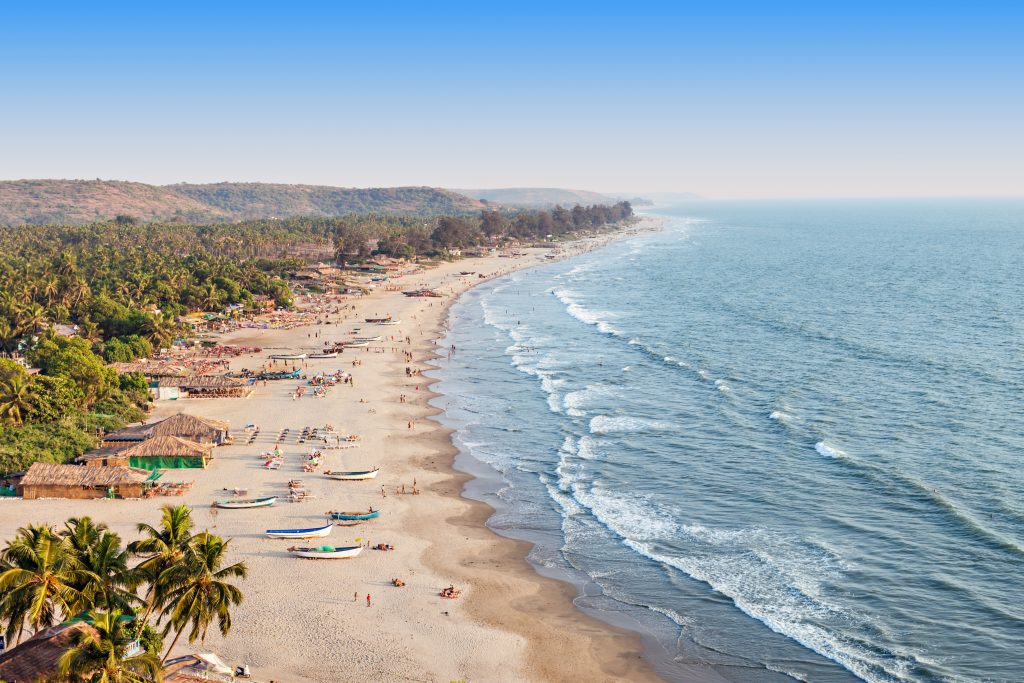
For travellers, the first decision is often geographical: the lively beach belt of North Goa, the cultural heart of Panjim or the quieter, slower coastline of South Goa. The choices that shape a trip here are often small but meaningful—whether you arrive at a beach at sunrise or sunset, whether you’re travelling with friends, family or on a solo trip. Some travellers spend their days wandering through heritage lanes and bustling markets, while others linger over long lunches at beach shacks or retreat to yoga studios and wellness sanctuaries by the sea.
Nothing about Goa is truly hidden, but understanding how its beaches, villages, food traditions and culture fit together makes the experience far richer. Think of this as a coast-to-coast insider’s guide to navigating the many moods of Goa.
NORTH GOA
Decoding North Goa: The Beaches to Know, the Neighbourhoods to Stay in and Things to Do
North Goa’s coastline is not one continuous experience but a chain of distinct beaches, eachwith its own personality. From quiet wellness enclaves to high-energy stretches filled with water sports and nightlife, the choice of beach often defines the rhythm of your trip.
At the northern edge, Arambol (Harmal) attracts a free-spirited crowd drawn to yoga, meditation and Tai Chi sessions. Dramatic black rocks frame the beach and a short walk uphill leads to a small freshwater lake and natural yellow clay believed to have healing properties. Nearby Ashwem offers a very different mood—long, uncrowded sands lined with boutique stays, beach cafés and wellness retreats. It’s one of the best spots in North Goa for a slower beach day, Ayurvedic massages and quiet swims.

Further along the coast, Morjim earns its distinction through both ecology and atmosphere—Olive Ridley turtles nest along its shores between October and February and its relaxed beach clubs draw a mix of nature lovers and international travellers. Vagator, overlooked by the ruins of Chapora Fort, is one of Goa’s most scenic beaches, where cliffside sunsets, music venues and seasonal parties attract youthful crowd. Close by, Anjuna carries the legacy of Goa’s counterculture days and remains famous for its Wednesday flea market, where travellers browse everything from clothing and jewellery to handmade curios and global street food.
Moving, further the coastline becomes busier and more energetic. Baga is a hub for water sports, fishing trips and lively nightlife, while Calangute, often called the “Queen of Beaches”, is one of Goa’s most active stretches, lined with restaurants, hotels and tour operators organising everything from parasailing to coastal excursions. Candolim, just beyond, offers a slightly calmer alternative while still providing easy access to water sports and beachside dining.
Near the entrance to North Goa’s beach belt sits Sinquerim, known for its proximity to the historic Fort Aguada and its range of adventure activities including parasailing, windsurfing and scuba diving. Closer to Panaji, Miramar functions more as a city beach—a popular spot for evening walks, family outings and sweeping views of the Mandovi River meeting the Arabian Sea. A little further along, Bambolim remains largely undiscovered—rocky outcrops, fishing boats and palm-shaded picnic spots that belong, still, more to locals than to visitors.

Dining Experiences in North Goa
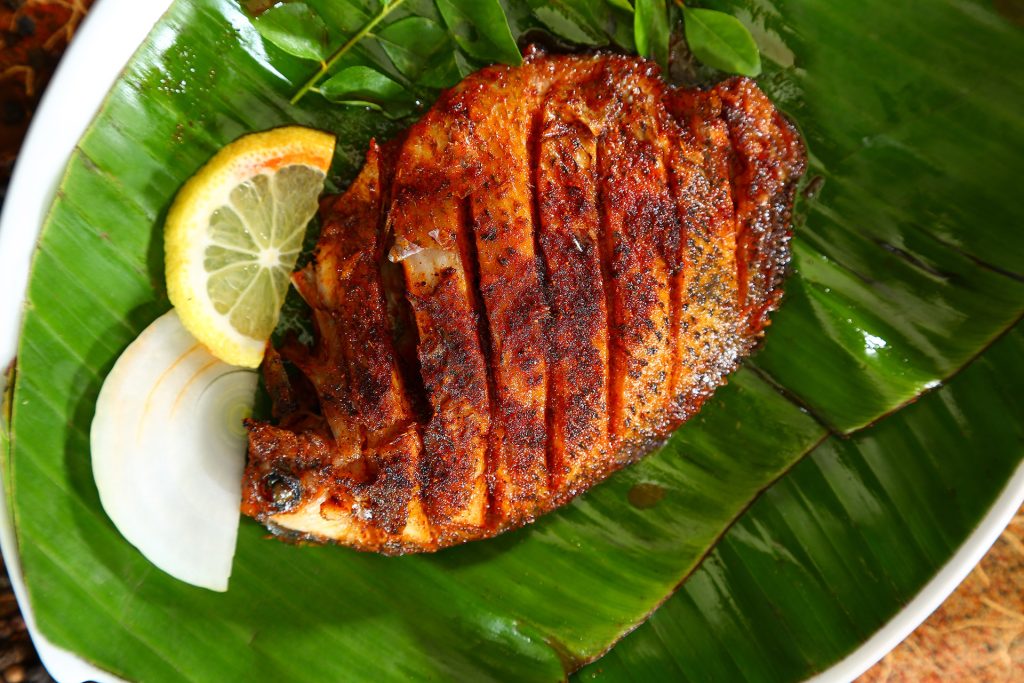
Dining in North Goa has evolved into one of the most dynamic culinary scenes in the country, blending traditional Goan flavours with global influences and a strong café culture. Assagao and Siolim have become the centre of the region’s contemporary dining movement, known for stylish cafés, breakfast spots and creative kitchens that attract both travellers and long-time residents. Mapusa and Porvorim remain some of the best places to explore authentic local food, bakeries and classic Goan sweets, particularly around the bustling markets. Further along the coast, Calangute, Candolim and Baga offer lively beachfront dining with seafood shacks, international menus and late-night bars, while quieter villages such as Saligao, Sangolda and Pilerne have developed a reputation for intimate restaurants and heritage homes serving traditional recipes.
PANJIM
Geographically, Panjim belongs to North Goa. In character, it belongs entirely to itself. Once the capital of Portuguese Estado da Índia, a maritime empire whose reach extended from southern Africa to Southeast Asia, Panjim carries that history lightly but unmistakably. It is a city best understood slowly and ideally more than once.
Decoding Panjim by Foot: Neighbourhoods to Visit and Things to Do
Panjim is often described as one of India’s most walkable cities and the experience of the capital unfolds best on foot. A good place to begin is at the iconic Our Lady of the Immaculate Conception Church, before wandering into Fontainhas, the city’s historic Latin Quarter, where narrow lanes, pastel homes and quiet courtyards reflect Goa’s Indo-Portuguese heritage. From there, the walk can continue towards the Mandovi Riverfront and Ourem Creek, where the city opens up to breezy promenades and views across the water. Along the way, small details appear—murals on ageing buildings along 18th June Road, painted staircases near Church Square and historic landmarks such as Adil Shah Palace, an early seat of Goa’s administration that still anchors the city’s riverfront skyline. Other rewarding routes include the gentle climb up to Altinho, the hilltop neighbourhood overlooking the city or the relaxed Miramar–Panjim promenade, a favourite stretch for evening walks. Neighbourhoods like Fontainhas, São Tomé, Mala and Portais are best explored slowly, revealing cafés, bakeries, heritage homes and local life at every turn.
UNESCO Heritage Sites to Visit in Old Goa District
Just 10 km from Panjim, Old Goa makes for an easy half-day detour and is home to Goa’s complete UNESCO-listed heritage complex, comprising historic churches, convents, chapels and ruins.
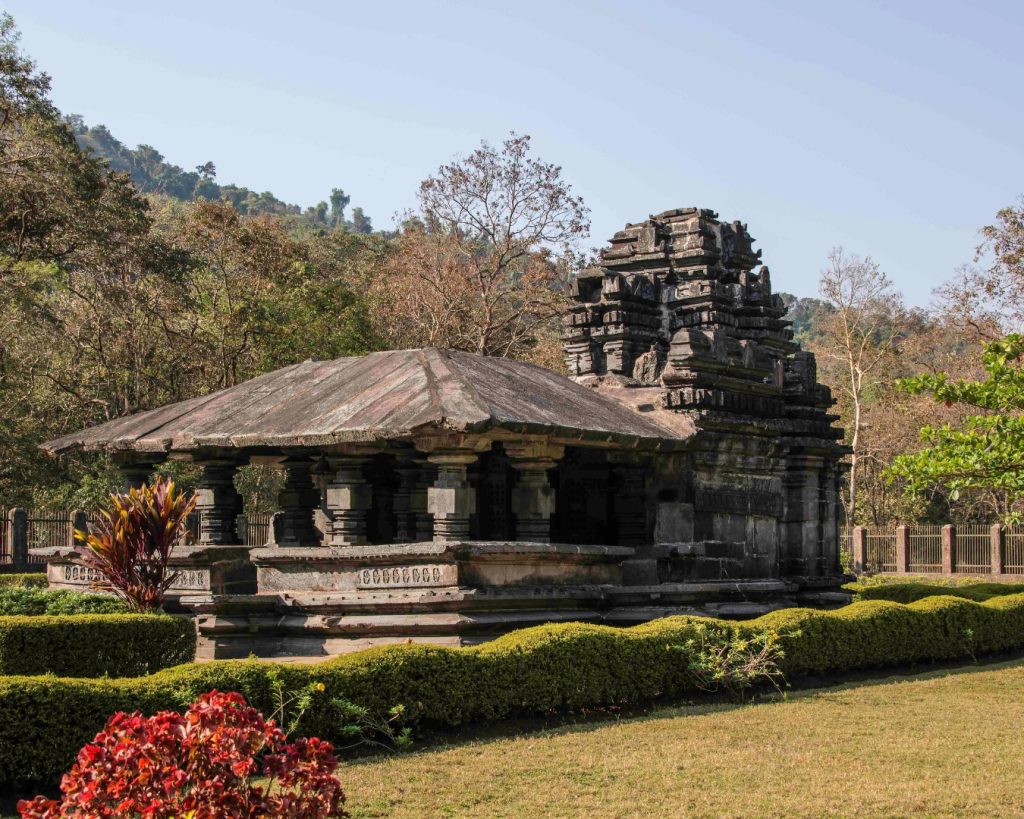
Beyond Old Goa, travellers can explore the state’s wider architectural legacy through historic forts, as well as ancient places of worship, including some of Goa’s oldest surviving stone temples. Together, these landmarks reveal the many layers of Goa’s history, faith, architecture and maritime heritage.
Dining Experiences in Panjim
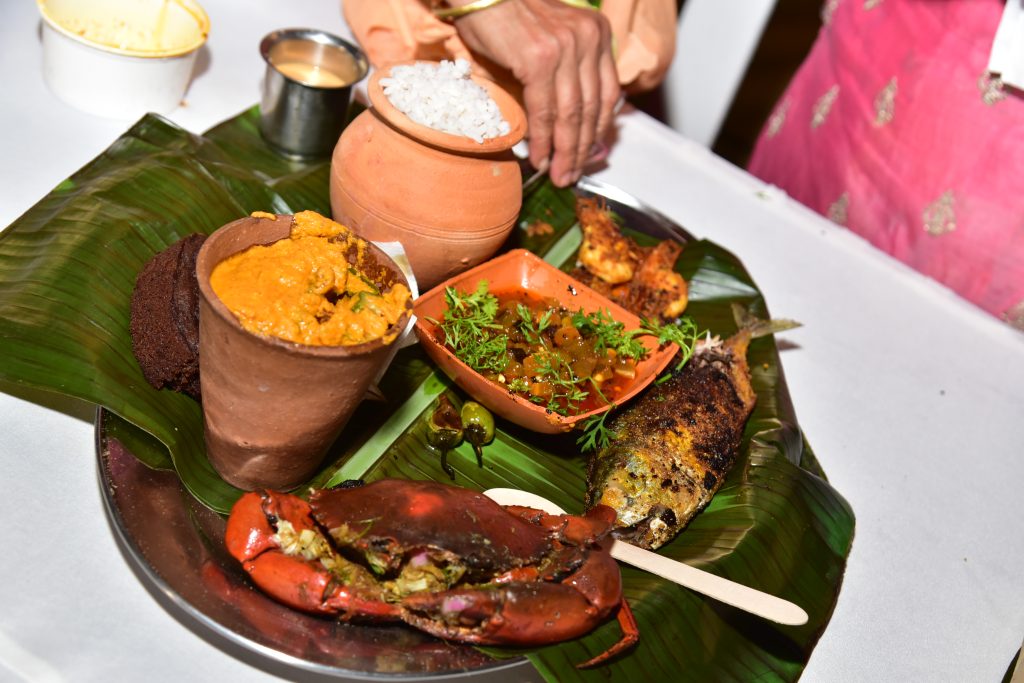
Dining in Panjim reflects the city’s everyday rhythm, where food is woven into daily life rather than treated as an event. Mornings begin early with hearty Goan breakfasts—plates of pao and bhaji, samosas and milkshakes—served in long-standing cafés that locals have frequented for generations. Through the day, the city’s compact streets reveal small bakeries and casual eateries known for traditional Goan bakes, patties and snacks that remain staples of Panjim’s food culture. Lunchtime often revolves around simple, satisfying thalis and homestyle Goan cooking rooted in regional traditions, particularly dishes influenced by Saraswat and coastal culinary heritage. By evening, the atmosphere shifts as diners move between neighbourhood restaurants and relaxed bars spread across areas in the Capital City, where contemporary kitchens, craft cocktails and late-night music create a lively after-dark scene.
SOUTH GOA
South Goa has its share of beach bars and lively nights, but the region reveals a quieter, more grounded side of the state. Along the shores of Benaulim, Colva and Varca, and through inland villages like Curtorim, Chandor, Loutolim and Cuncolim, tourism sits gently alongside everyday life rather than dominating it. Here, fields and rivers shape the landscape, village bakeries and taverns serve loyal locals and long-standing food traditions remain deeply woven into daily life.
Decoding South Goa: The Beaches to Know, the Neighbourhoods to Stay in and Things to Do
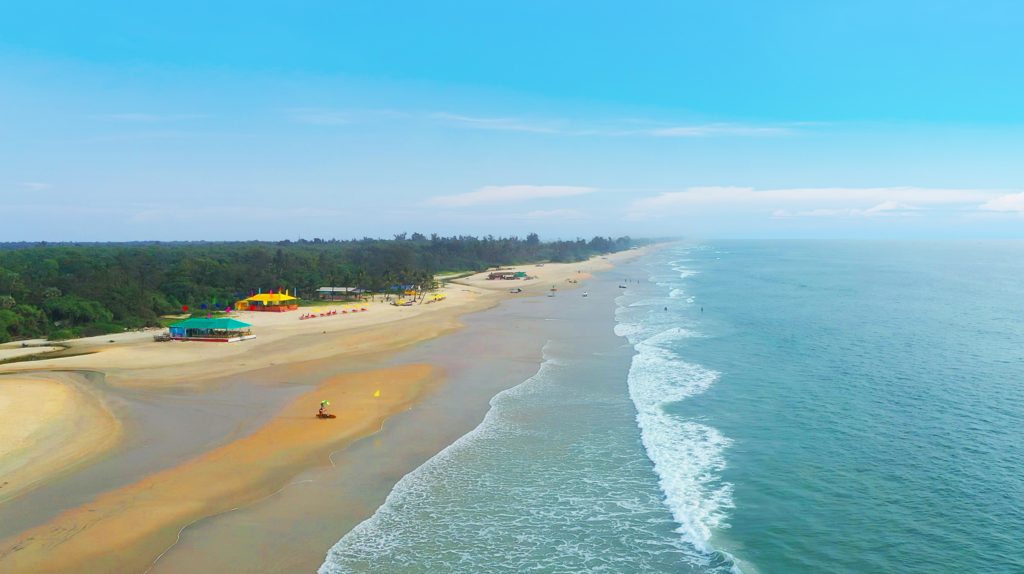
South Goa’s beaches unfold at a gentler pace, where long stretches of sand sit beside fishing villages, quiet rivers and pockets of history. Colva, one of the region’s best-known beaches, offers a lively atmosphere with its wide shoreline, local eateries and fishing boats lining the horizon. The village is also home to the Church of Our Lady of Mercy, an important local landmark known for its annual celebrations and deep ties to the community. Nearby Benaulim feels calmer and more local, known for its fishing heritage, traditional handicrafts and village festivals. Just north of Colva, Majorda earns its own footnote in Goan history: it was here that the Jesuits first discovered the qualities of toddy as a leavening agent, and where the art of baking European bread was introduced to Goa—a legacy that survives, quietly and deliciously, to this day.
Further south, the coastline becomes quieter and more expansive. Varca, Cavelossim and Mobor form a beautiful stretch of clean, palm-fringed beaches that are home to several luxury resorts as well as relaxed beach shacks serving fresh seafood. Bogmalo, close to Goa’s airport, has a compact bay that feels slightly more exclusive, with calm waters and opportunities for water sports such as windsurfing and water skiing.
For travellers seeking solitude, the deeper south offers some of Goa’s most untouched beaches. Palolem, set within a crescent-shaped bay, balances scenic beauty with a laid-back beach culture, fishing boats, dolphin-spotting trips and its now-famous headphone-based silent disco nights. Just beyond it, Patnem offers a quieter alternative with peaceful sands and simple beach shacks serving local seafood. Further down the coast, Galgibaga remains one of South Goa’s hidden treasures—a protected nesting ground for Olive Ridley turtles where development is minimal and the beach retains a rare sense of wildness.
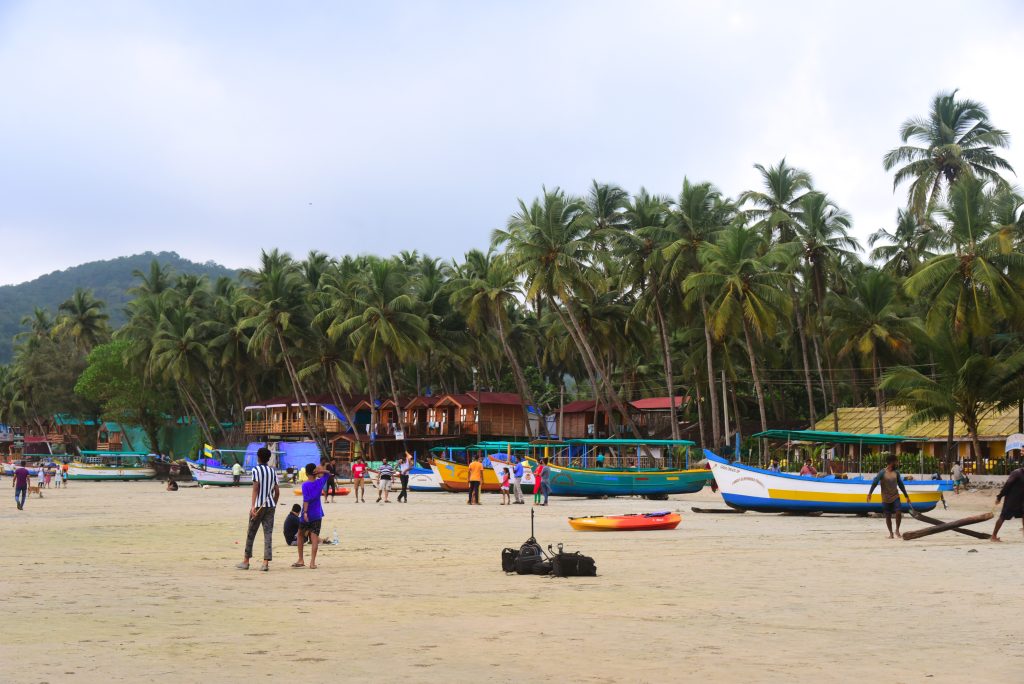
History, Heritage, Culture, Wellness
South Goa’s cultural landscape runs deep, shaped by centuries of shifting kingdoms, village traditions and craft communities that continue to define everyday life. Historic settlements across the region once served as centres of political power and trade, leaving behind temples, churches and heritage homes that quietly narrate Goa’s layered past. Equally significant are the living traditions still practised in many villages—skilled woodworkers, basket weavers, stone carvers and metal artisans whose crafts have supported local communities for generations. Toddy tapping, a delicate practice that extracts sap from coconut palms, remains central to the region’s culinary heritage, providing the natural fermentation used in many traditional Goan breads and rice dishes.

South Goa has become one of India’s most quietly serious wellness destinations. Ayurvedic retreats around Agonda, Palolem and the villages of Salcete offer multi-day programmes rooted in classical tradition. Yoga centres here tend to favour immersive, residential experiences rather than drop-in sessions, attracting international travellers who return season after season in search of a slower, more restorative rhythm.
Dining Experiences in South Goa
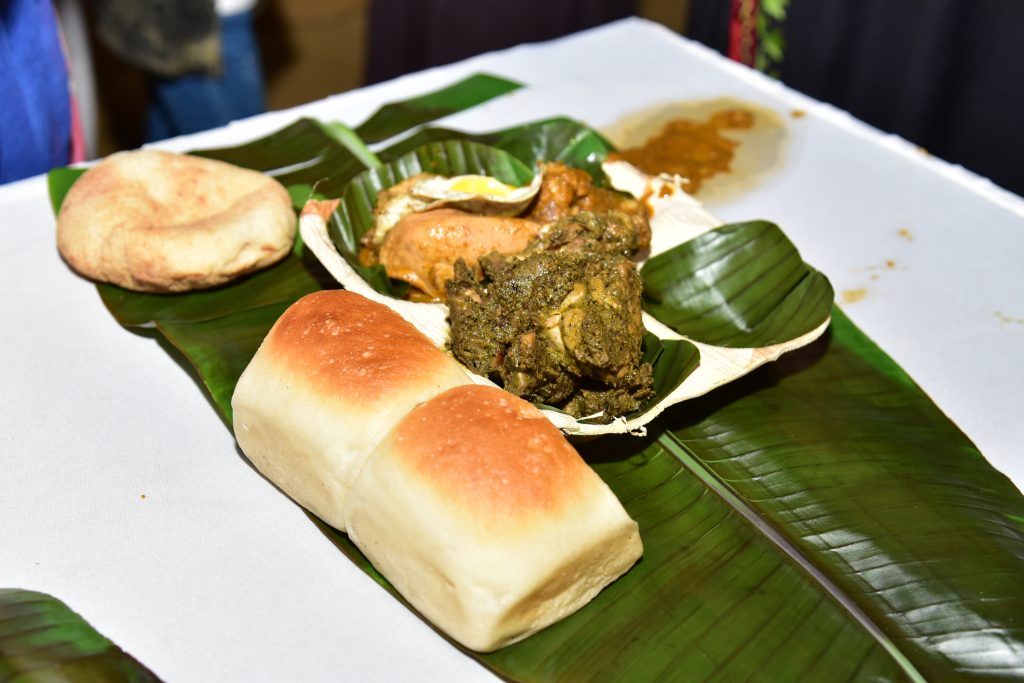
Food in South Goa is rooted in everyday village life, where long-standing culinary traditions continue to shape how and where people eat. Mornings often begin at small, family-run bakeries scattered across villages, where fresh patties, puffs, choris pao and other Portuguese-influenced bakes appear on the counter soon after sunrise and are often sold out within hours. Simple breakfast staples such as bhaji-pao, fritters and Goan-style samosas remain local favourites, served in modest cafés and roadside eateries that have fed generations of residents. Lunch typically centres around hearty thalis and homestyle coastal cooking prepared with fresh local seafood and seasonal produce, often sourced directly from nearby fishermen and farmers. In towns like Margao and the surrounding villages, traditional sweet-making (cario, doce, channa doce) and sausage-making traditions also remain strong.
Evenings in South Goa arrive gently, defined more by atmosphere and setting than by high-energy nightlife. Palolem is the liveliest after dark, known for its easygoing beach bars, sunset fire shows and its distinctive silent headphone parties that keep the music going without disturbing the shoreline. Nearby Benaulim and Betalbatim are dotted with casual seaside cafés, where acoustic performances and relaxed dinners stretch late into the evening. Further south, Cavelossim brings a slightly more polished mood with elegant waterfront lounges and riverside cocktails, while secluded pockets like Cola Beach remain blissfully quiet, where candlelit dinners, soft music and the sound of the waves define the night.
Another way to experience South Goa’s food culture is through its tavern trail—small, family-run neighbourhood bars that sit at the heart of village life. These unpretentious spaces serve local drinks and simple Goan dishes, but more importantly, function as social hubs where stories, gossip and everyday conversations flow as easily as the evening’s first pour.
Goa rewards those who stay longer than they planned. Follow the coastal road from north to south, detour into villages that appear on no itinerary and allow mornings to end somewhere unplanned. The lively beaches of the north and the quieter shores of the south are not separate destinations but two moods of the same place. The only way to understand either of them fully is, quite simply, to begin.

A New Yorker at heart, an unapologetic anglophile, national parks explorer and former head of National Geographic publishing in India, Ritika is the Global Editor for Travel and Food Network and leads all journalism across platforms, including news, digital, videos, and social media. She writes features focused on narrative storytelling, industry trends, destinations, culinary travel, and how-to advice and is an advocate for sustainable travel. You can follow her on Instagram @newyorkeratheart