



Layered histories, vibrant traditions and festivals that keep Goa’s cultural spirit alive.
Goa is often introduced as a beach postcard. Then it hits you with something better: the smell of fish thali, a spoonful of sorpotel and the lazy certainty that the day can take its time. For many travellers, me included, that’s the first pull. Stay a little longer, though, and another Goa steps forward. One shaped by people arriving, leaving, trading, settling, arguing, worshipping and celebrating.
In Goa, history isn’t parked behind velvet ropes or sealed inside a museum wing. It sits in lanes, in neighbourhood routines, in habits and festivals that keep changing while still feeling old.
A Coast Shaped by Time
The story runs far past the “beach destination” label. Ancient references call the region Gomantak, a fertile stretch on the Konkan coast, where early communities settled close to rivers and the coastal plains. Long before any European ship showed up on the horizon, life here was already tuned to fishing, farming and maritime trade.
Dynasties came through and left their stamp. The Kadambas, among the most significant, helped set up Goa as a serious centre for administration and commerce. Then, in the early 16th century, the Portuguese arrived, and Goa became a port with global reach, tied into routes that ran across Asia and Africa and back towards Europe. Buildings followed power and money, especially in Old Goa, once praised as the “Rome of the East”.
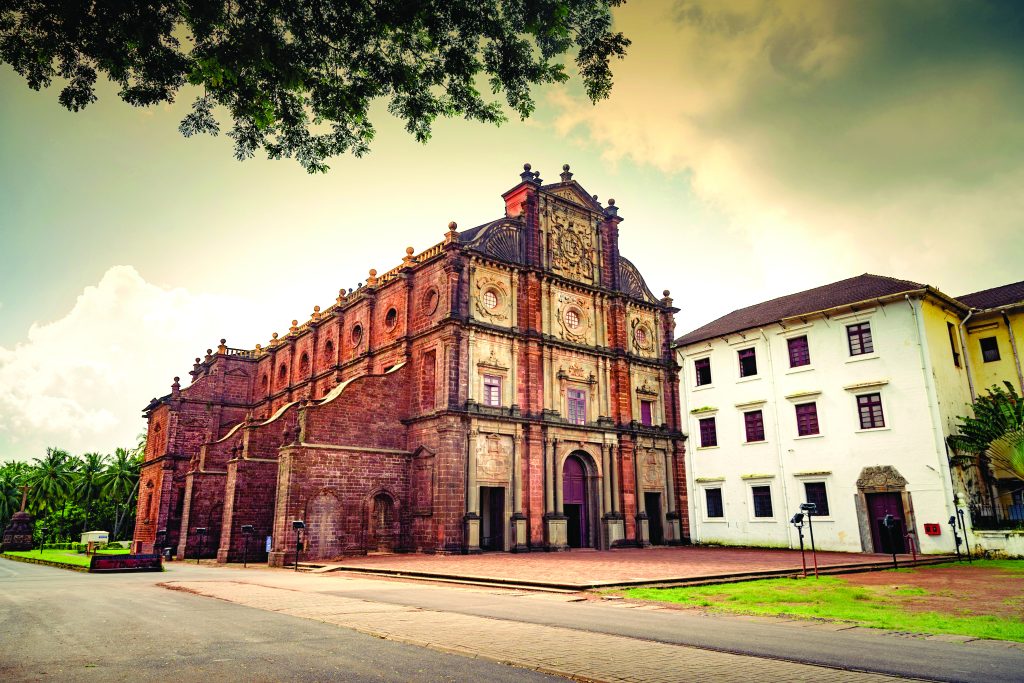
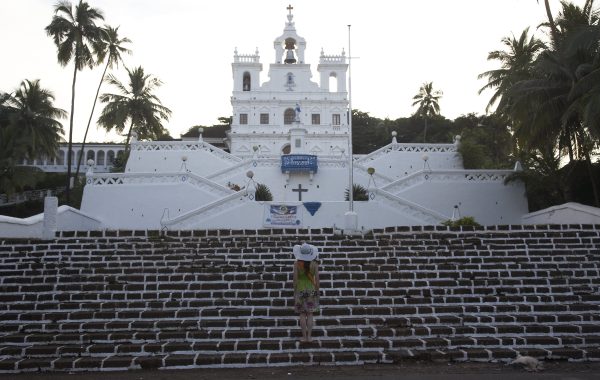
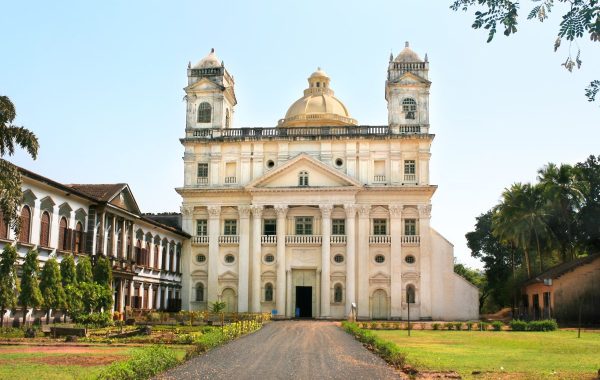
Today, those churches are part of a UNESCO World Heritage Site. The Basilica of Bom Jesus, holding the relics of St. Francis Xavier, remains one of the most important pilgrimage sites in the region. Close by, the Se Cathedral and the Church of St. Cajetan still show the architectural and cultural currents that ran through the state.
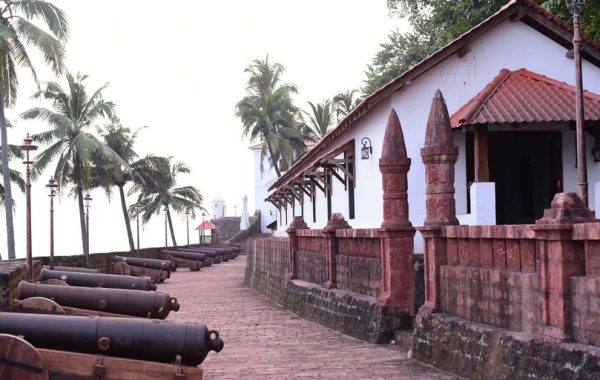
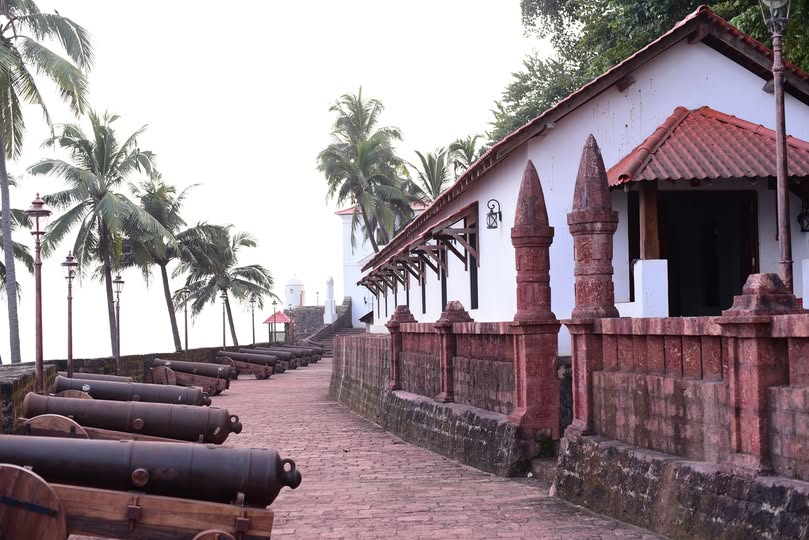
Forts along the sea and on riverbanks once watched the routes that mattered, guarding trade and holding territory against rivals. Aguada Fort, overlooking the Arabian Sea, is the one most people remember. Smaller strongholds, easy to miss if you aren’t looking, sit scattered inland and quietly point to how strategically placed Goa once was in wider trade networks.
Living Neighbourhoods and Heritage Homes
Goa’s past doesn’t end at the monument gate. It lives in neighbourhoods where buildings still carry memories and daily life keeps the rest.
Fontainhas, the Latin Quarter of Panaji, is one of the clearest windows into that world. Narrow lanes twist past Portuguese-era homes painted in bold yellows, blues and reds. You notice balconies leaning over cobbled streets, tiled nameplates fixed to old family houses and small chapels appearing when you least expect them.
European and Indian influences sharing the same frame. The traditional balcão, that covered front porch on many Goan homes, is still what it always was, a place for evening conversation, a spot where neighbours pause and the street becomes social.
Elsewhere in the state, restored heritage houses welcome visitors who want more than a quick photo. Inside, the stories tend to be about crossroads: traders, landowners, artists and families who lived with the push and pull of different worlds meeting in one small place.
Museums and smaller heritage centres add another layer. In Panaji and beyond, collections and galleries hold on to maritime histories, artistic practices and the long, shifting idea of what Goan identity has been and is still becoming.
Culture Woven into Everyday Life
What stands out in Goa is that diversity here doesn’t feel like a slogan; it feels like the natural result of centuries of exchange. Konkani grounds daily life, while Portuguese traces linger in music, food and bits of language that still surface. Marathi, Hindi and English move easily through the same spaces.
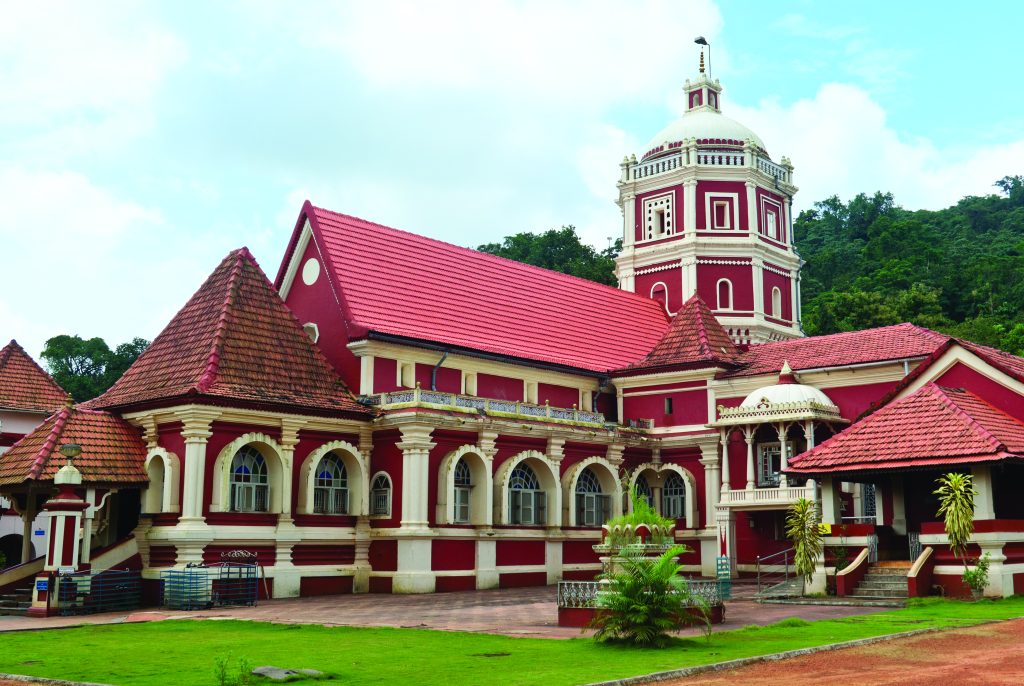
Religious life deepens the texture. Hindu temples and Catholic churches stand close within the same communities, and it isn’t unusual for celebrations and rituals to brush against one another, sometimes even overlap.
Craft traditions keep going too, not as staged demonstrations but as working skills. Bamboo craft, terracotta pottery, brassware and fine crochet lacework all speak about methods passed down, tied to local materials and patient hands.
Altogether, it’s a culture that isn’t preserved like an exhibit. It’s practised, adjusted, repeated and renewed, day after day.
Festivals that Bring the Past to Life
If history shows in buildings and landscapes, festivals show how it keeps moving. Across the year, communities gather for events that mix ritual with music, theatre and collective memory.
On Divar Island, the Bonderam Festival looks back to a dispute over village boundaries from the Portuguese period. What that becomes now is loud and bright, with parades, music and playful performances that turn a quiet riverside place into a stage.
In villages like Marcel, Gadyachi Jatra brings temple rituals and processions into the centre of community life, steady and familiar, the village rhythm made visible.
Some celebrations lean into play. During Chikhal Kalo, people meet in temple courtyard to play games in the mud, retelling stories of Lord Krishna’s childhood while the air fills with music and laughter.
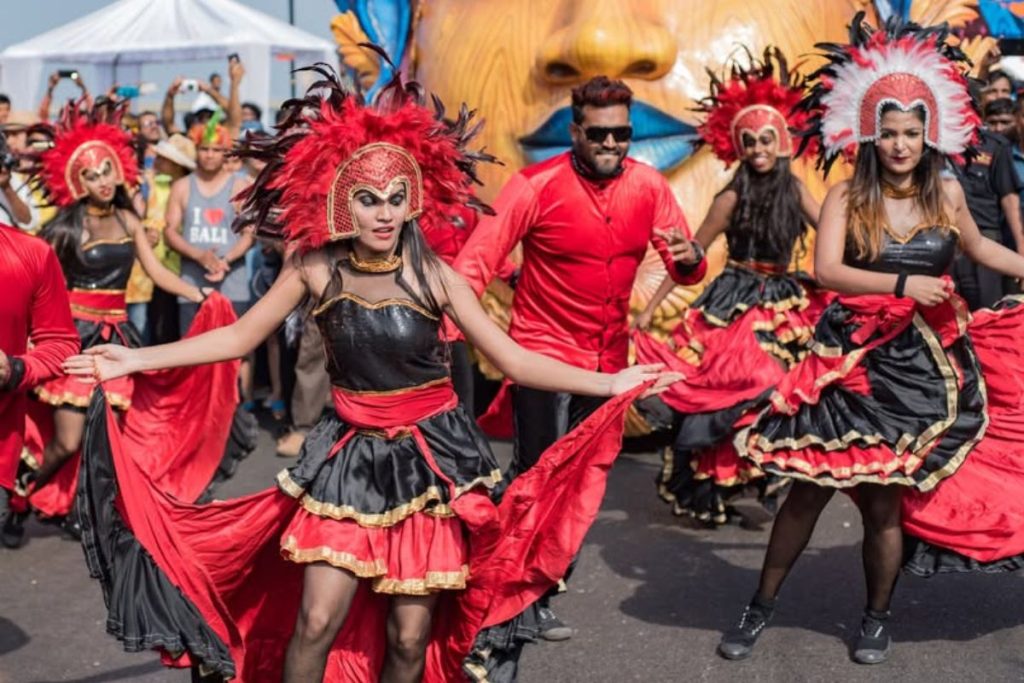
Goa Carnival is the best known: streets crowded with floats, dance and costumes. It began in Portuguese tradition, then local imagination took over, and now, towns across Goa become performance spaces for days.
Shigmotsav, also known as Shigmo, is Goa’s vibrant spring festival celebrating the state’s rich cultural heritage. Colourful processions come alive with traditional folk dances, music, elaborate floats and performers in striking costumes. Rooted in local customs, the festival offers travellers an authentic glimpse into Goa’s community spirit and living traditions.
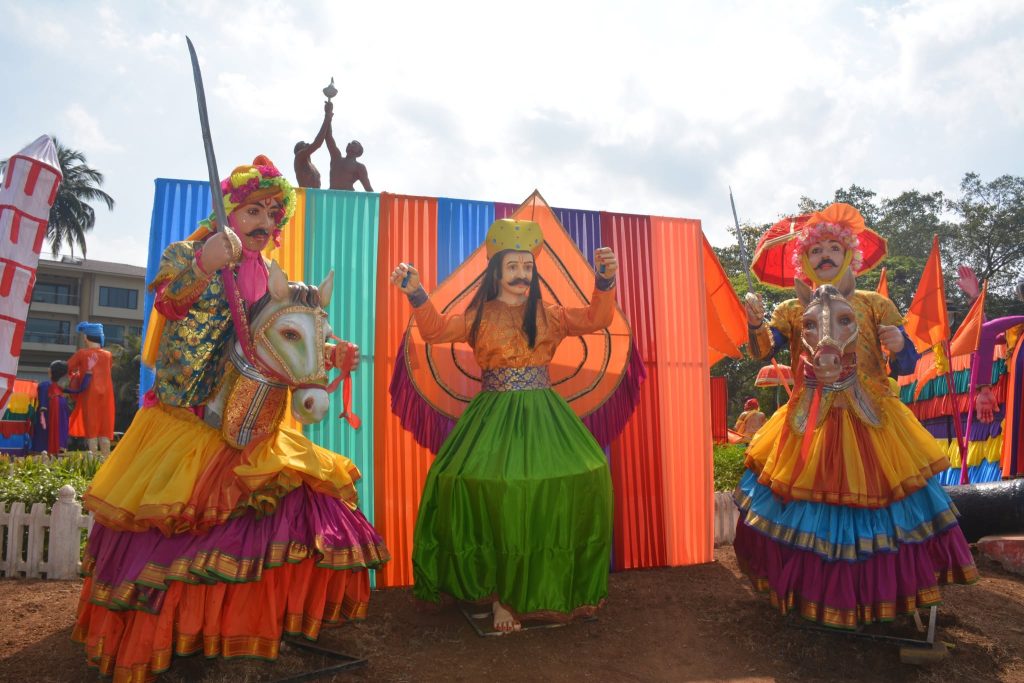
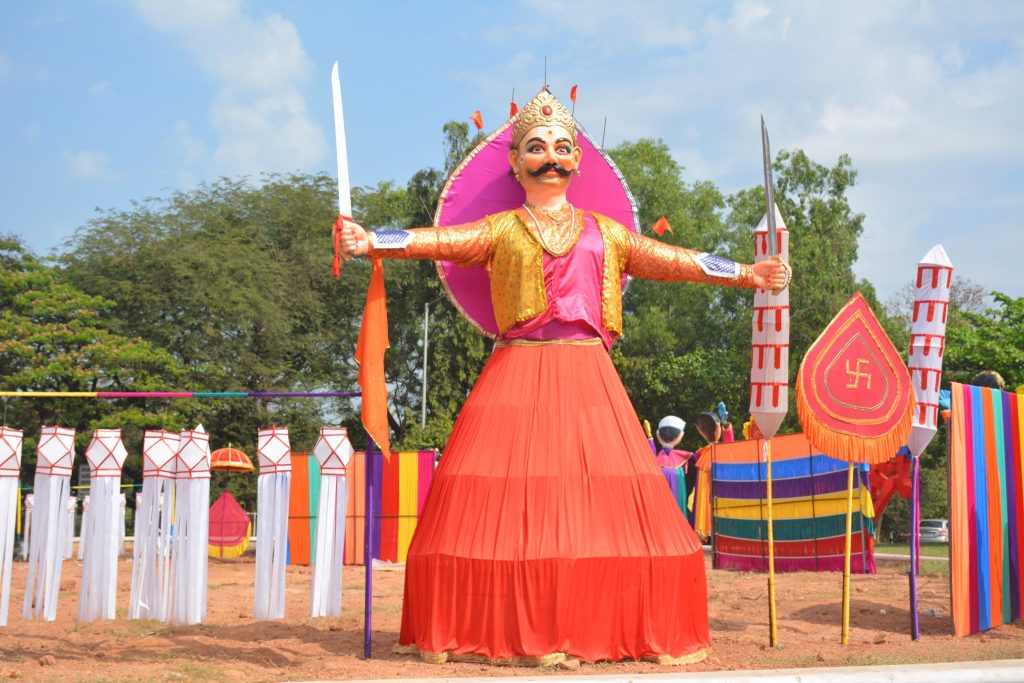
Diwali arrives with lamps lighting homes and temples, and in many places, large effigies of Narakasur are carried through villages and burned, the old story of light overcoming darkness made tangible.
For travellers, the gift of these festivals is their rootedness. They aren’t put on for an audience; they’re part of community life that continues whether you’re watching or not.
Experiencing Goa’s Cultural Landscape
To really take in Goa’s history and culture, it helps to move slowly. Fontainhas makes more sense on foot, especially with someone who can point out what hides behind the colour. Old Goa invites a quieter kind of attention, the sort that lingers on architecture and the weight of faith. A climb up a coastal fort pulls you back to the maritime world that once defined the region’s importance.
Head inland and the texture changes again. Spice plantations, village markets and craft workshops offer small, grounded views of traditions that keep shifting with each generation.
Goa may lure people with its beaches. The deeper story sits beyond the shoreline, in lanes, rituals and landscapes where the past hasn’t vanished; it has simply stayed present.
Travel here becomes less about ticking off places and more about what you start noticing.
In Goa, history is rarely out of sight.

Although she is a copywriter by profession, Ishani loves writing longer sentences and harp on all kinds of details. She has worked with multiple brands for social media strategy, written longer editorial pieces as well and would ideally love to quit it all to travel the world. Until she can, she believes, “ words are all I have..”