



Discover the best wildlife sanctuaries in Arunachal Pradesh, where red pandas, hornbills, and big cats thrive across forests, rivers, and mountain landscapes.
There are places where wilderness feels curated—and then there is Arunachal Pradesh, where it unfolds vast and untamed. In India’s far northeast, mist-laced forests and shifting altitudes create a mosaic of ecosystems across sanctuaries like Pakke Wildlife Sanctuary, Eaglenest Wildlife Sanctuary, Mouling National Park and Namdapha National Park. Each terrain—whether dense rainforest or high mountain slope—reveals a different rhythm of the wild, shaped by climate, altitude, and isolation.
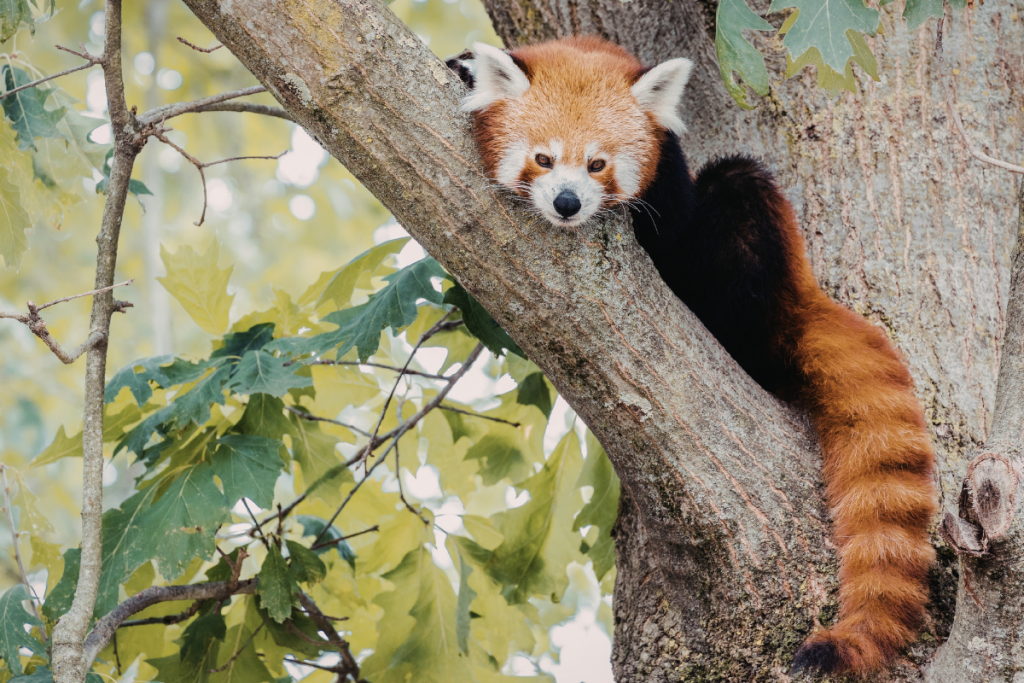
What makes Arunachal exceptional is the rarity it holds. Red pandas, Himalayan black bears, and even all four of India’s big cats—tiger, leopard, clouded leopard, and snow leopard—move through these forests, while over 500 bird species, including the white-winged wood duck and vivid tragopans, fill the canopy with colour and sound. It is a place where biodiversity feels both abundant and elusive, offering not just sightings, but the quiet thrill of stepping into one of India’s last truly untouched wildernesses.
Here are the Wildlife Sanctuaries and National Parks You Must Visit in Arunachal Pradesh
Eaglenest Wildlife Sanctuary
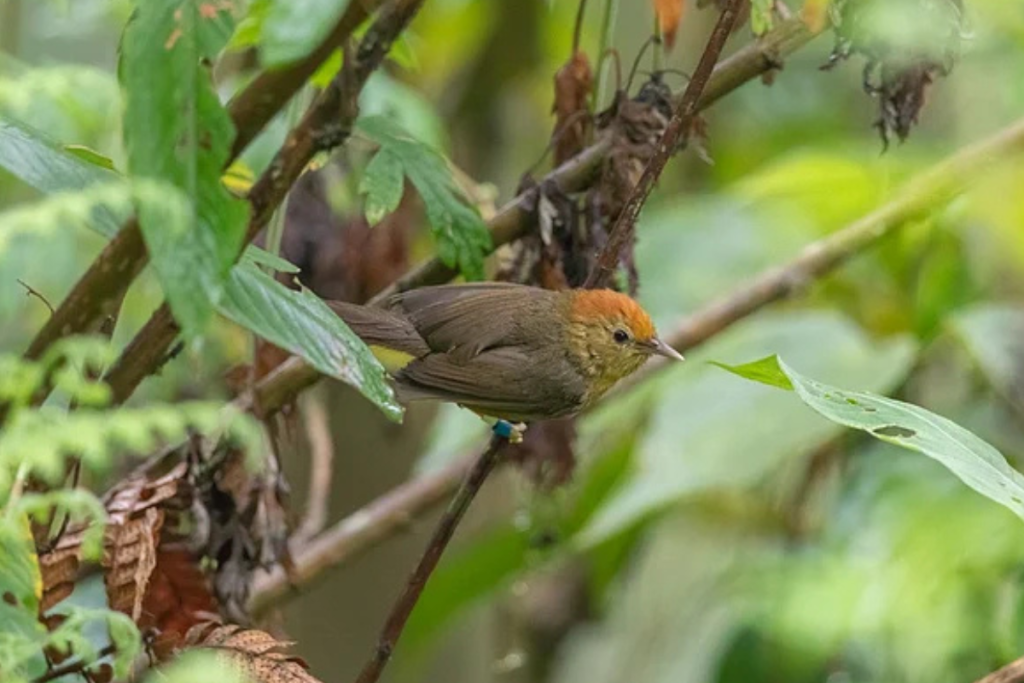
Tucked into the mountains of western Arunachal Pradesh, Eaglenest Wildlife Sanctuary feels like a place the world discovered by chance. For years, its forests remained quiet and largely untouched—until May 2006, when birdwatcher Ramana Athreya spotted a new species here, the Bugun liocichla (Liocichla bugunorum), named after the local Bugun tribe. That discovery didn’t just add a bird to the list—it put Eaglenest firmly on the global birding map, drawing researchers and wildlife photographers to its misty slopes.
Around 500 bird species have been recorded here, which makes every walk feel like a slow reveal. Along with the Bugun liocichla, you’ll find the beautiful nuthatch, Wards trogon, red-headed trogon, red-faced liocichla, slender-billed scimitar babbler, eight kinds of wren babblers, and plenty of flycatchers. If you’re lucky, you might even spot rarities like the grey peacock pheasant, Blyths tragopan, or Temmincks tragopan. But Eaglenest isn’t only about birds. Its forests are home to gaur, elephants, barking deer, wild dogs, Himalayan serow, and red pandas. As the light fades, a different set of animals begins to stir—golden cats, leopard cats, Himalayan bears, Bhutan giant flying squirrels, arrow-tailed flying squirrels, and the slow loris. The sanctuary also made headlines in 2003 with the discovery of a new primate, the Arunachal macaque.
Access to Eaglenests’ motorable road is usually limited to Nov-Apr. The rainy season (May-Oct) is not recommended due to landslides. From a birdwatching perspective, Jan-Mar is the best season, as migratory birds can be spotted alongside endemic species.
Pakhui (Pakke) Wildlife Sanctuary
Tucked between the Pakke and Kameng rivers in East Kameng district, Pakke (or Pakhui) Wildlife Sanctuary feels both vast and quietly immersive. Spread across nearly 862 square kilometres at the foothills of the Eastern Himalayas, the forests shift from semi-evergreen to deep, dense green, creating a landscape that feels alive at every turn.
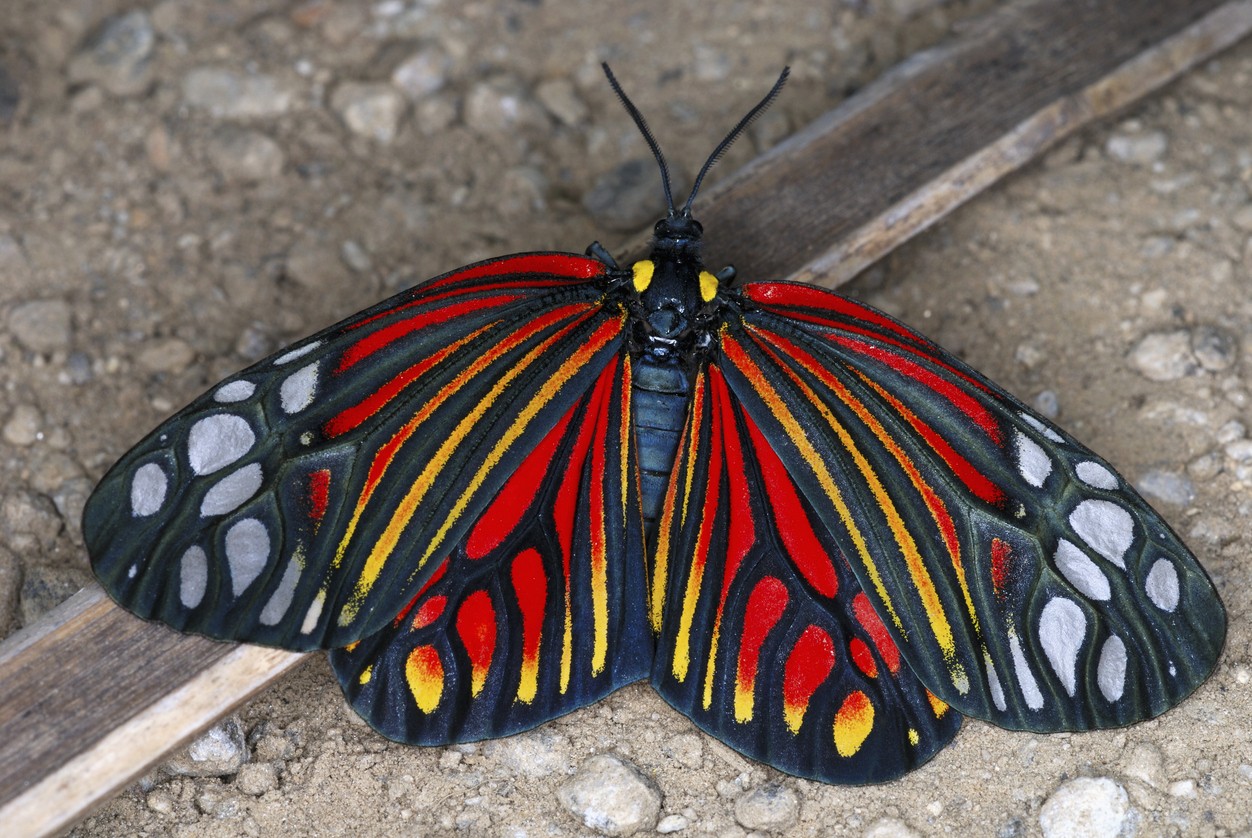
The sanctuary is home to around 40 mammal species, including tiger, leopard, clouded leopard, jungle cat, wild dog, jackal, Himalayan black bear, and even the elusive binturong. Elephants move through the forest like its steady guardians, while barking deer and hog deer are more commonly seen. Birdlife is just as remarkable, with nearly 300 species recorded, but it’s the hornbill you’ll remember—the one bird that seems to define the sound and spirit of Pakke. Pakhui is also one of those rare places where butterflies seem to appear everywhere you look—from the deep blue shimmer of the Blue Mormon to the striking red of the Crimson Rose and the delicate patterns of the Peacock Pansy, each one adding a fleeting touch of colour to the forest.
The best time to visit Pakke Wildlife Sanctuary is between November and April, when the weather is cool, dry, and easy to explore. With temperatures typically ranging from 15°C to 25°C, these months are ideal for safaris, birdwatching, and even spending time outdoors in the forest without the discomfort of heat or heavy rain.
Kane Wildlife Sanctuary
Hidden within the forested stretches of West Siang district, Kane Wildlife Sanctuary is the kind of place that rewards those willing to go a little off-route. It is not as well-known as Arunachal’s larger reserves, which only adds to its appeal—this is wilderness that feels unfiltered, where the forest still sets the pace and the experience is as much about quiet discovery as it is about wildlife.
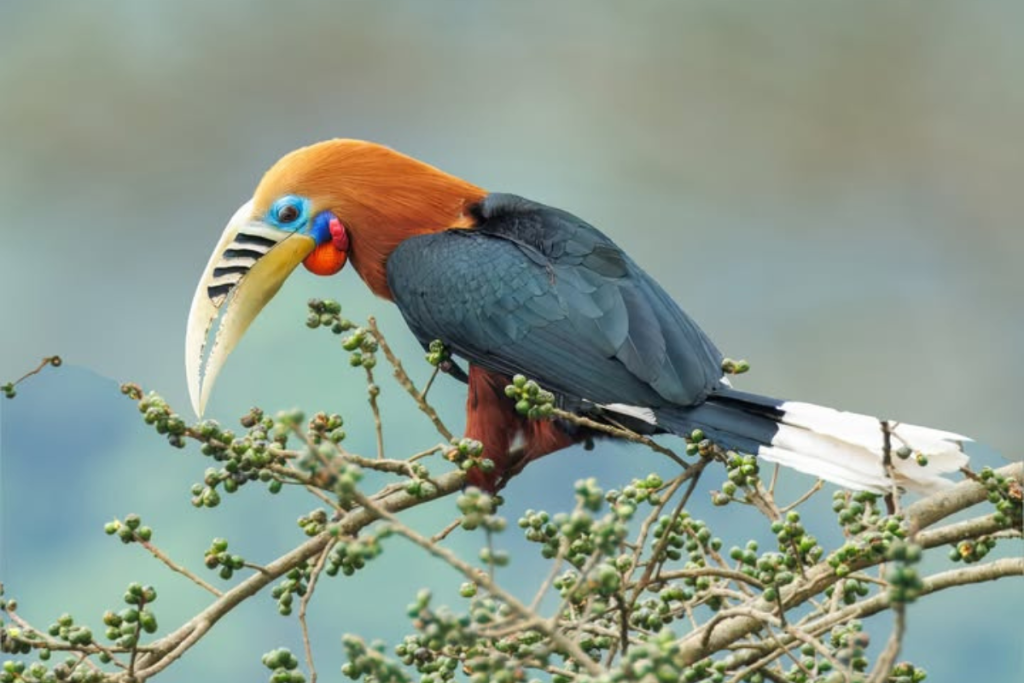
Spread across 55 square kilometres, the sanctuary moves through evergreen, semi-evergreen, and sub-tropical vegetation, creating a rich, layered habitat. Around 70 bird species have been recorded here, including the white-winged wood duck and the striking Rufous-necked hornbill, making it especially rewarding for birdwatchers. Mammals—from wild dogs and gaur to black bears, elephants, deer, and smaller cats—move through these forests, often unseen but always present.
The best time to visit is the cooler months between October and March, with temperatures hovering between 15°C and 21°C, offering the most comfortable window to explore.
D’Ering Memorial Wildlife Sanctuary
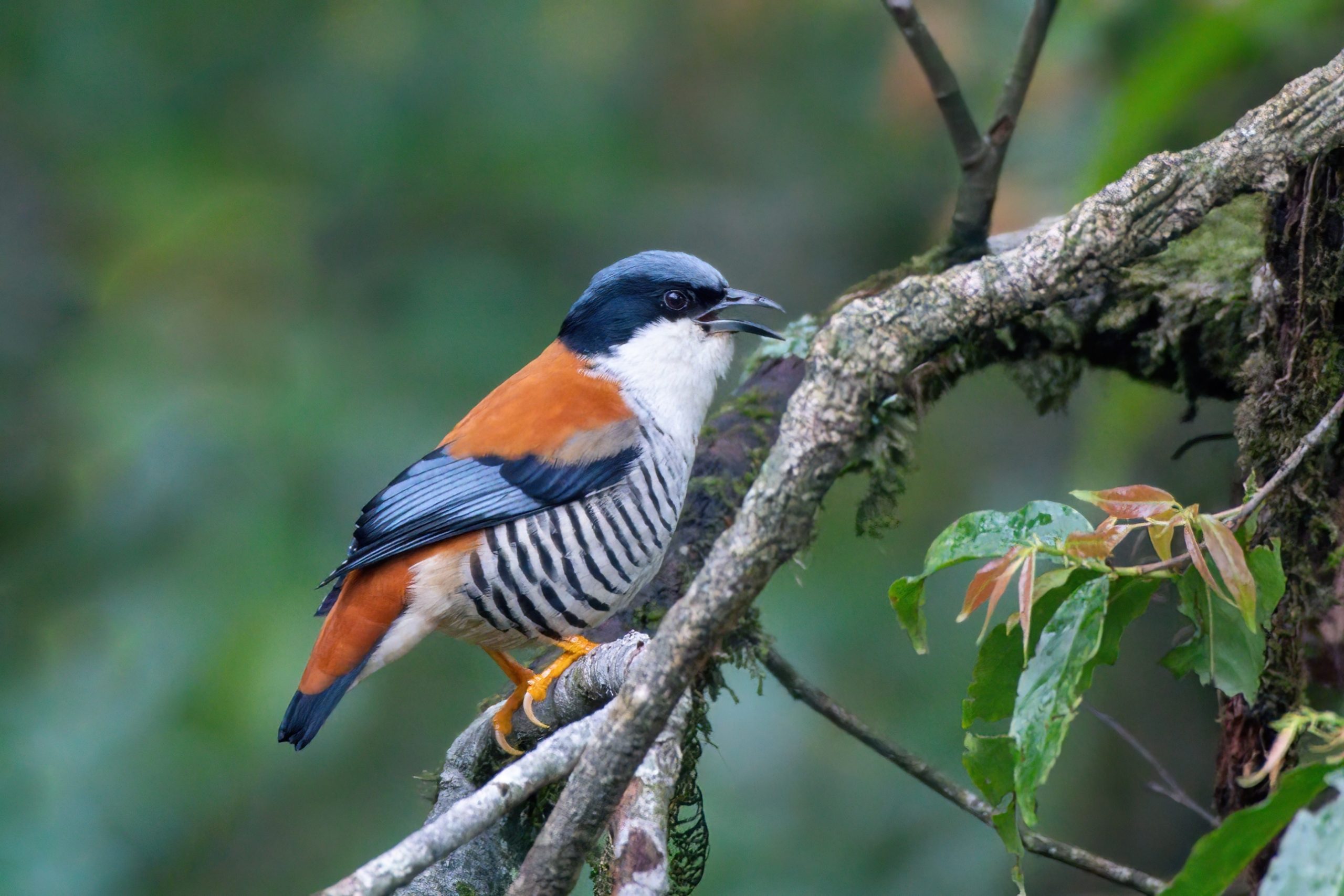
Set between the Siang and Sibya rivers, just east of Pasighat, Daying Ering Memorial Wildlife Sanctuary feels like a landscape shaped as much by water as by land. Named after Arunachal’s political leader Daying Ering, this 190-sq-km sanctuary is a mosaic of river islands—locally called chaporis—formed by the shifting course of the river. Nearly 80% of it is made up of alluvial grasslands, with pockets of woodland and waterbodies, spread across the ranges of Borguli, Anchalghat, and Namsing. It is these grasslands that make the sanctuary special, especially for birdlife—home to species like the black-breasted parrotbill and babblers The Anchalghat range, with its shorter grass, is one of the world’s best places to spot the critically endangered Bengal florican, alongside birds like pied harriers, greater thick-knees, Himalayan rubythroats, and cinereous vultures.
Beyond its birdlife, the sanctuary has a strong presence of larger mammals. Asian elephants and Asiatic buffaloes are commonly seen across the grasslands and forest edges, along with hog deer, wild boar, jackals, rhesus macaques, sambar, barking deer, and predators like the common leopard, leopard cat, and fishing cat. There’s even a chance of spotting Ganges river dolphins in the surrounding waters. Borguli and Anchalghat serve as the main entry points.
Winter is the best time to visit—when the rivers recede, the weather is pleasant, and migratory birds gather in large numbers, bringing the sanctuary to life.
Mehao Wildlife Sanctuary
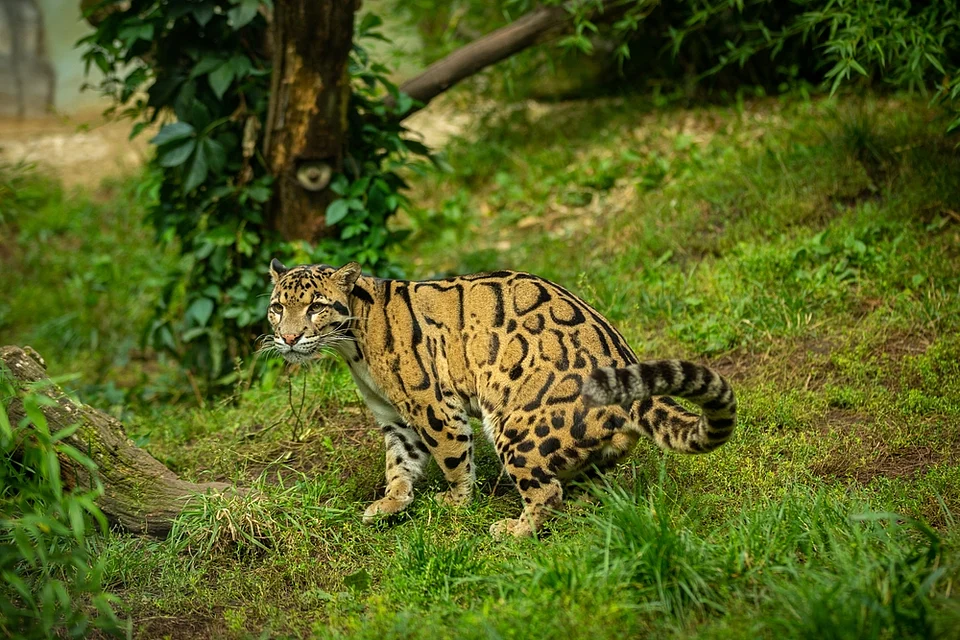
Just 17 km from Roing, Mehao Wildlife Sanctuary unfolds across a dramatic range of altitudes—from 400 to over 3,300 metres—making it one of the most diverse landscapes in Arunachal Pradesh. Created to protect the rich ecosystem around Mehao Lake, the sanctuary is a blend of dense forests, quiet water bodies, and shifting terrain that changes character as you move through it.
At its heart lies Mehao Lake, a clear, still stretch of water covering about 4 sq km, where reflections of the surrounding forest feel almost unreal. A walk around the lake is as much about the atmosphere as it is about the view. The sanctuary is also home to an impressive range of wildlife—wild duck, takin, hoolock gibbon, tiger, leopard, red panda, elephant, and sloth bear among them—making it a place where both the landscape and its inhabitants leave a lasting impression.
The best time to visit Mehao Wildlife Sanctuary is from October to March, when the weather is cool, pleasant, and ideal for trekking and wildlife spotting.
Dibang Wildlife Sanctuary
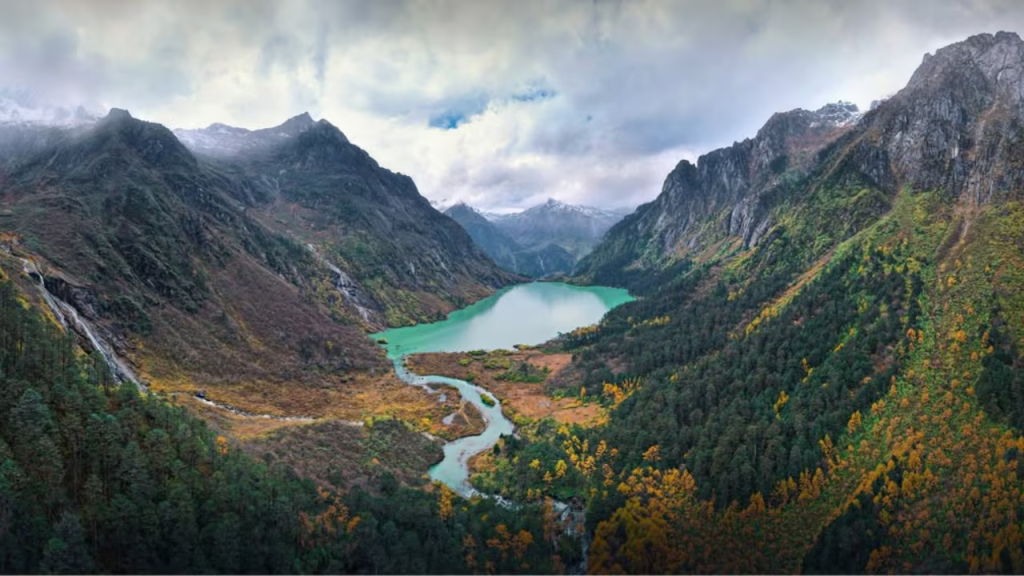
Set deep within the remote Dibang Valley district, with Anini as its quiet headquarters, Dibang Wildlife Sanctuary is less a destination and more an expanse—stretching across an immense 4,149 sq km. It forms part of the Dihang-Dibang Biosphere Reserve, one of the world’s recognised biodiversity hotspots, where the Indo-Chinese and Myanmar biogeographic regions meet.
Wildlife here reflects that diversity. The sanctuary is home to an extraordinary range of species, including Bengal tiger, clouded leopard, Asiatic golden cat, leopard cat, marbled cat, Asiatic wild dog, Asiatic black bear, spotted linsang, stone marten, red panda, Eurasian otter, yellow-bellied weasel, Siberian weasel, barking deer, Gongshan muntjac, Himalayan serow, red goral, and musk deer. Herbivores like takin, goral, and serow move across the slopes, while predators adapt to altitude—snow leopards in the higher reaches and clouded leopards in the lower forests.
The best time to visit Dibang Wildlife Sanctuary is from October to April
 Namdapha National Park and Tiger Reserve
Tucked into the far eastern edge of Arunachal Pradesh, Namdapha National Park is the kind of wilderness that still feels untouched and quietly vast. Spread across nearly 2,000 square kilometres, it brings together dense forests, rising mountains, and winding rivers into one continuous landscape that feels both raw and immersive. Being here isn’t about ticking off sights—it’s about stepping into a place where nature sets the rhythm and everything else follows.
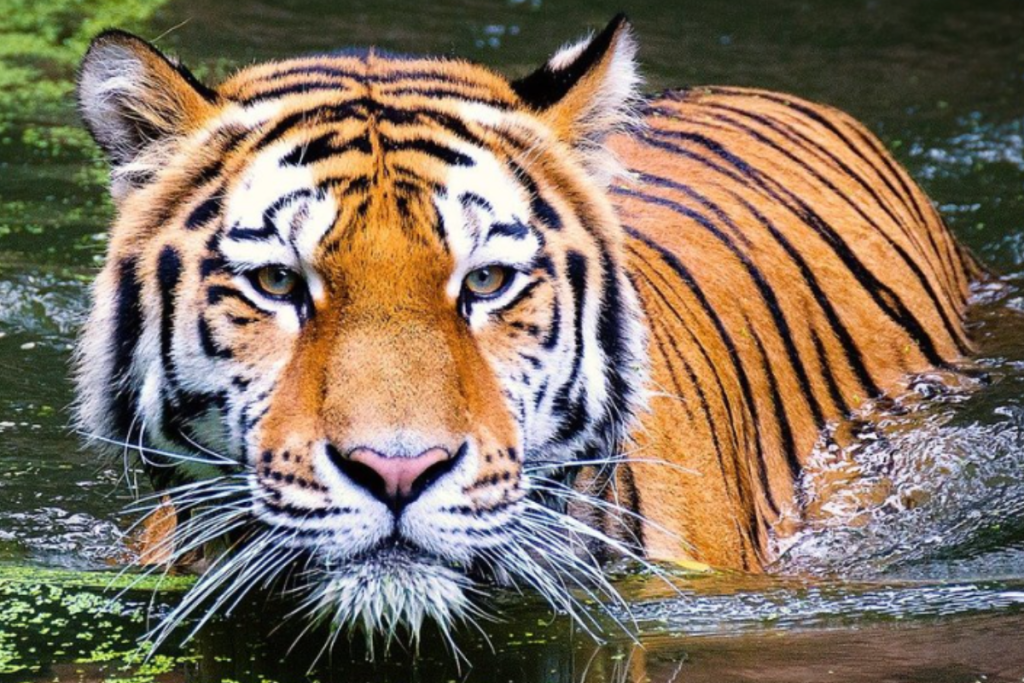
Clouded leopards and Bengal tigers inhabit its forests, while herds of Asiatic elephants follow age-old routes through the terrain. Birdlife adds another layer of magic, with species like the white-winged wood duck and the great Indian hornbill making appearances for those who are patient. For travellers who want more than just a glimpse, Namdapha offers the chance to go deeper—trekking through forest trails, crossing streams, and camping under open skies in a landscape that feels both adventurous and quietly humbling.
The best time to visit Namdapha National Park is from October to April, with November to March offering the most comfortable, dry, and pleasant weather for spotting wildlife and trekking.
Mouling National Park
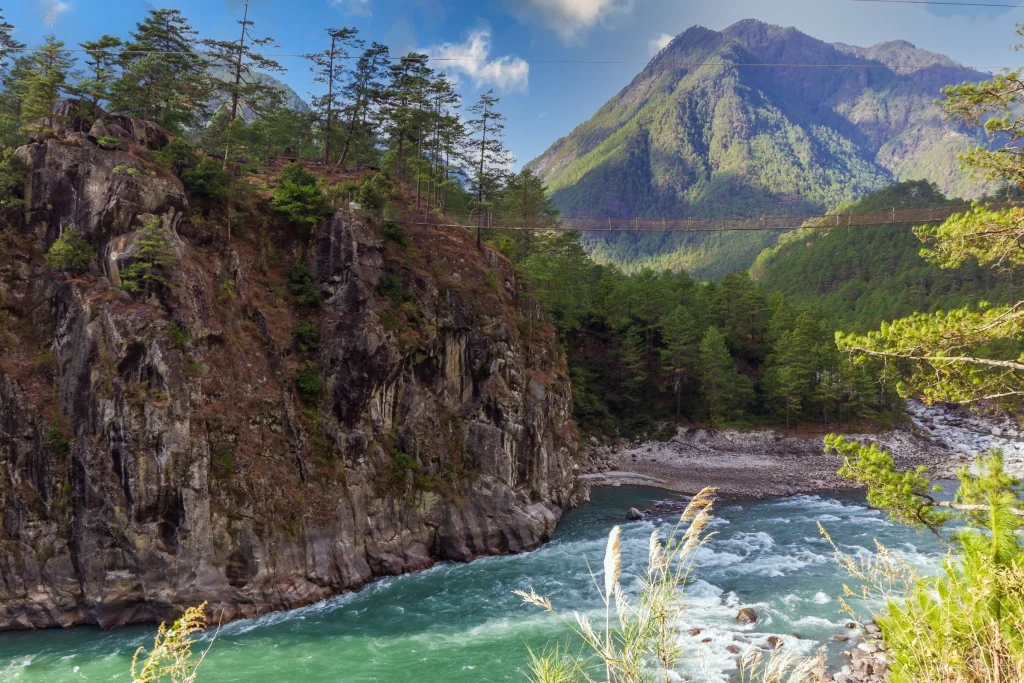
About 195 km from Pasighat, near Jengging, Mouling National Park feels remote in the best possible way. Spread across roughly 483 sq km, it forms the western edge of the Dihang-Dibang Biosphere Reserve, where thick forests and mountain terrain create a landscape that is both dramatic and quietly immersive.
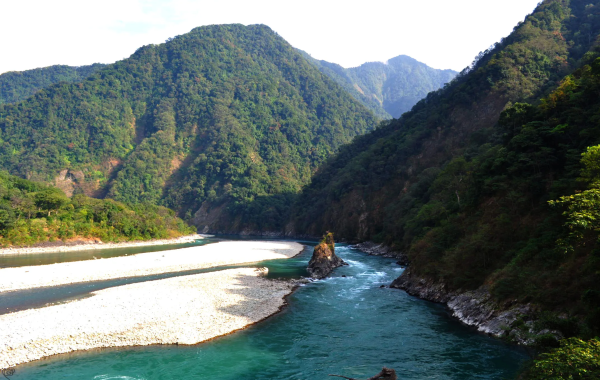
Wildlife sightings are part of the experience, though rarely predictable. The park is home to species like takin, serow, goral, clouded leopard, black bear, leopard, and red panda, all adapted to this rugged terrain. In winter, migratory birds arrive in large numbers, adding life and colour to the forests. Running through it all is the Siang River, winding its way through the Himalayas—its shifting course shaping some of the most striking landscapes in the region and adding to Mouling’s quiet, almost untouched beauty.
The best time to visit Mouling National Park is from November to April.
Arunachal Pradesh isn’t the kind of place where wildlife comes easy—and that’s exactly what makes it special. Each sanctuary feels different, yet connected by that same quiet, untouched wildness. And in the end, what stays with you isn’t just what you saw—but how it made you feel.
In Partnership with Arunachal Pradesh Tourism
For latest travel news and updates, food and drink journeys, restaurant features, and more, like us on Facebook or follow us on Instagram. Read more on Travel and Food Network
Related Coverage
Discover The Beauty Of Arunachal Pradesh Through Bird And Butterfly Spotting