



Everything you need to plan your Ziro Festival escape—permits, where to stay, what to eat, and the most unforgettable experiences across Ziro Valley, Arunachal Pradesh.
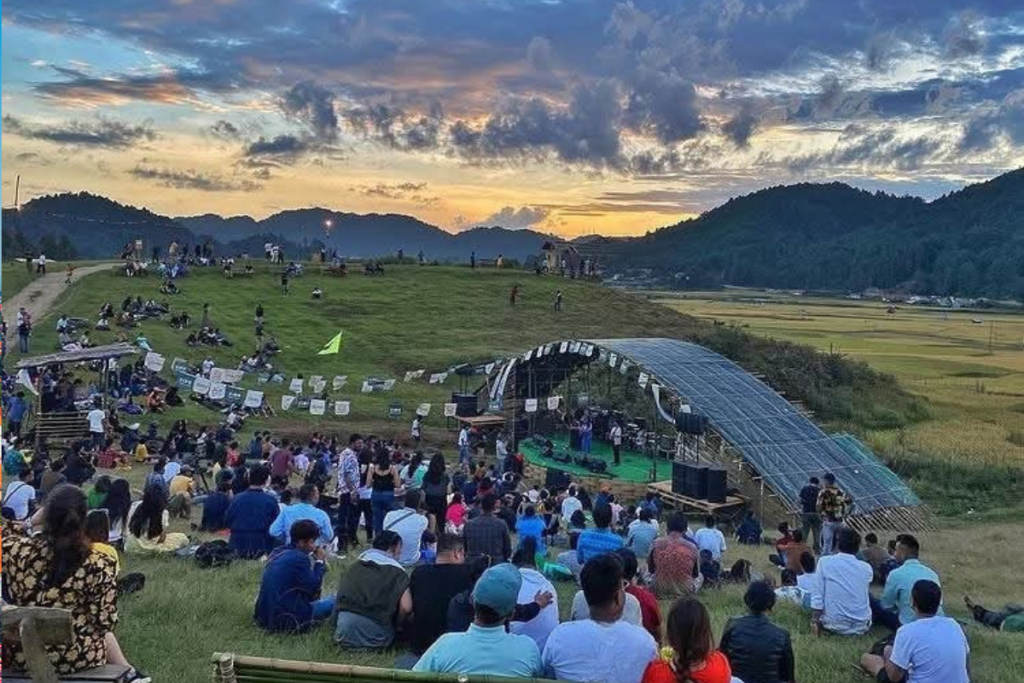
There are a number of reasons to visit Arunachal Pradesh: gorgeous landscapes, incredible wildlife, delicious local fare, and mugs of marua (millet beer). However, come September, all roads lead to Ziro Valley in Arunachal Pradesh, where, the quiet rhythms of daily life give way to something far more electric, as the Apatani homeland welcomes 10,000 visitors from across the globe. The Ziro Festival of Music transforms this serene valley into an open-air stage, where indie sounds drift across paddy fields and pine forests. First envisioned in 2012 by Bobby Hano and Menwhopause guitarist Anup Kutty, the festival has grown into one of India’s most atmospheric music gatherings—intimate, immersive, and firmly on the global festival map.
ALL ABOUT THE FESTIVAL
Set against the lush, picture-perfect backdrop of Ziro Valley, the four-day Ziro Festival of Music has, since its debut in 2012, quietly redefined what an outdoor music festival in India can feel like. It’s not just about big names or crowded stages—it’s about discovery, atmosphere, and a deep connection to place.
The lineup is as eclectic as it is exciting, bringing together artists from across India alongside international headliners. Between sets, the experience flows into the region’s culture—local performances, vibrant food stalls, and sessions of yoga, meditation, and dance that mirror the festival’s laid-back spirit. At its core, the festival is all about the music. With 40+ bands and artists performing across two stages, the soundscape moves effortlessly from folk and classical to electronica, jazz, rock, rap, pop, and blues. There’s a strong focus on homegrown and regional talent, making it the perfect place to discover your next favourite indie act.

Performances unfold across the Danyi Stage—showcasing folk, classical, jazz, and singer-songwriters—and the Pwlo Stage, dedicated to independent rock and pop. The charm lies in how you experience it: picnic blankets on the grass, open skies overhead, and easy moments between sets, regrouping with friends over bites from the many food stalls across the festival grounds.
COMMITMENT TO SUSTAINABILITY
At Ziro, sustainability isn’t a talking point—it’s a way of life shaped by the Apatani community’s deep respect for nature. The festival keeps its footprint deliberately light, with a visitor cap of 10,000, a ban on single-use plastic, and a strong focus on mindful resource use in this fragile landscape. Stages and installations are crafted from locally sourced bamboo, pine, and oak, often reused or repurposed from previous editions, while décor leans on upcycled materials and natural elements. Waste is handled with equal care through segregation pits, biodegradable bags, and community-led clean-up drives, ensuring that once the music fades, the valley returns to its pristine, untouched self.
BEYOND THE FESTIVAL: THINGS TO DO
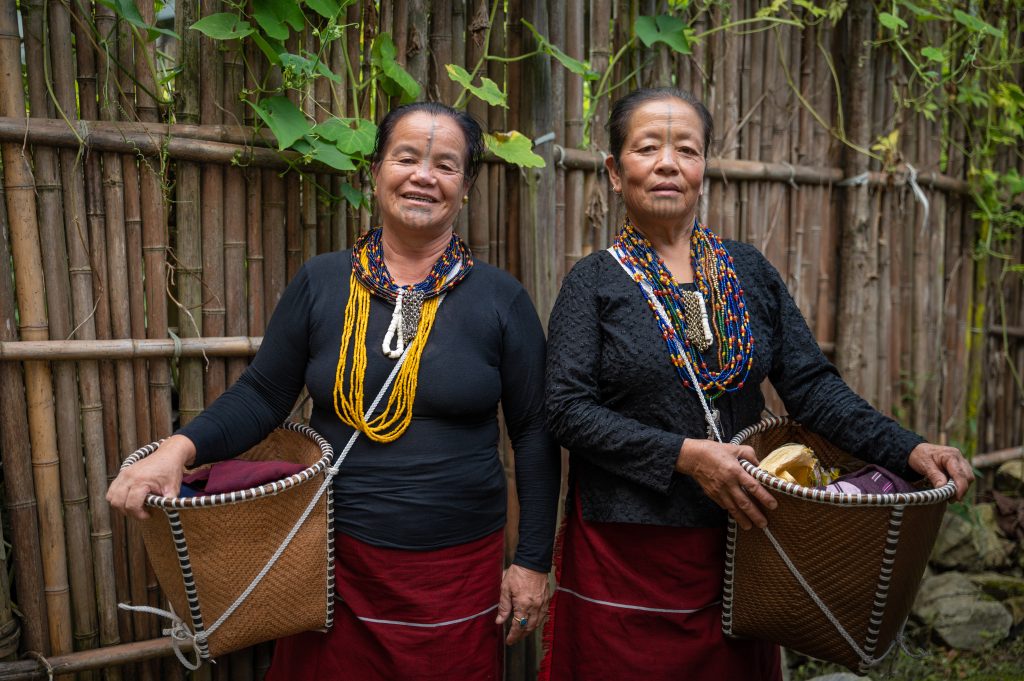
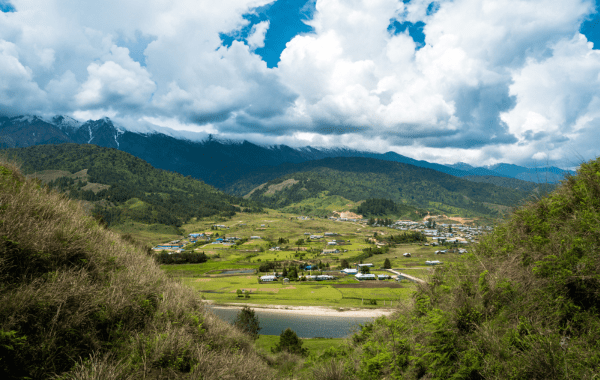
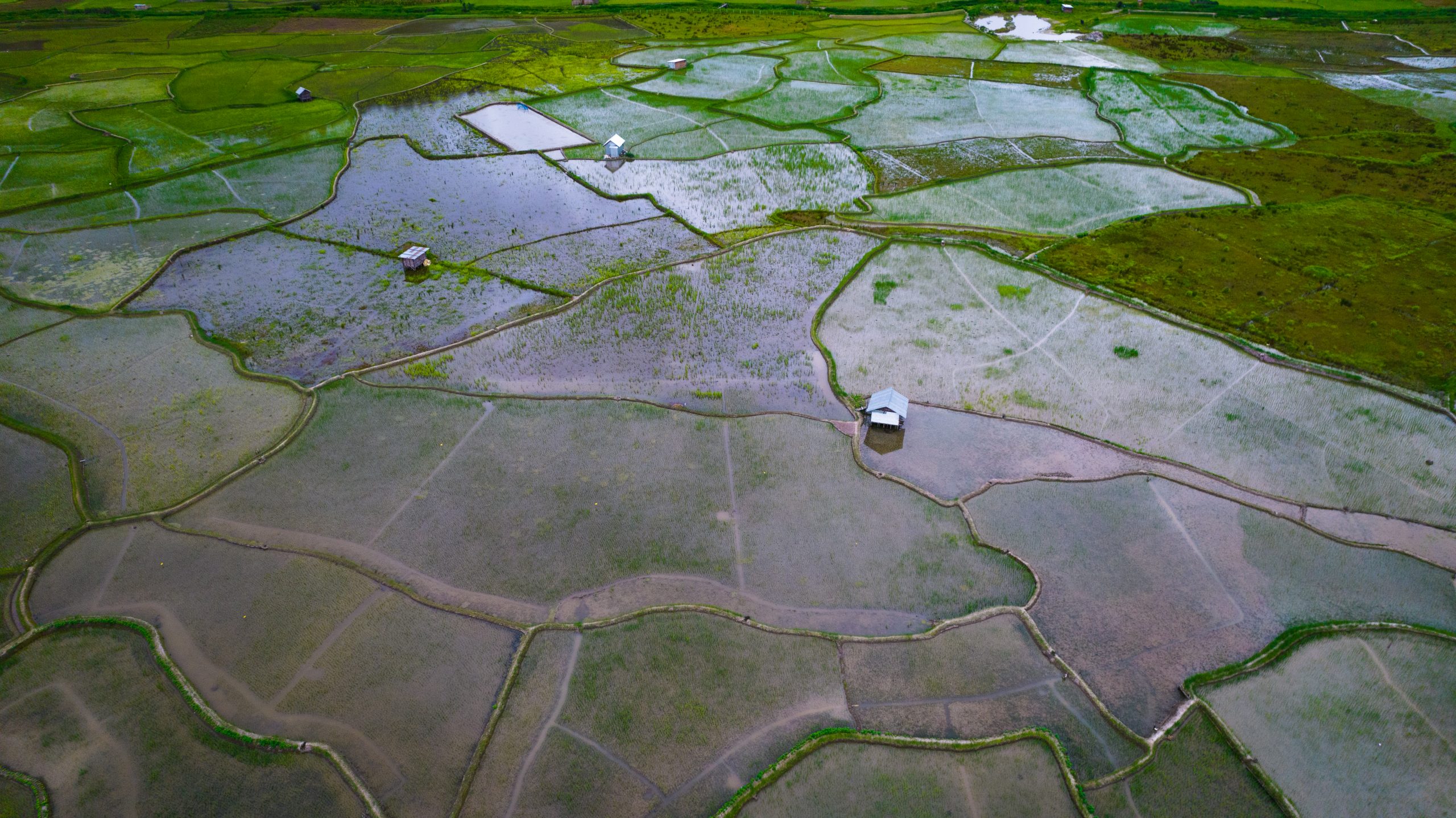
Set between 5,500 and 8,000 feet above sea level, Ziro Valley is far more than a festival setting—it sits on the UNESCO Tentative List for its Apatani cultural landscape, a rare harmony of heritage and nature. One of Arunachal Pradesh’s oldest towns, it offers year-round pleasant weather and an unhurried rhythm that encourages you to slow down.
And that’s precisely the charm. Ziro unfolds as much beyond the music as it does on stage. Mornings are deliberately slow—time with friends, a book, and a bamboo mug of rice beer overlooking misty paddy fields—before performances begin post-1pm. Step out, and the valley reveals its many layers. The Talley Valley Wildlife Sanctuary teems with biodiversity, from clouded leopards and black giant squirrels to black eagles and golden-breasted fulvettas, while trekking and biking trails lead to sweeping viewpoints like Dolo Mando, Ziro Puto, and Kile Pakho Ridge, where the plateau stretches towards the snow-capped Nyime Pembu Himalayas.
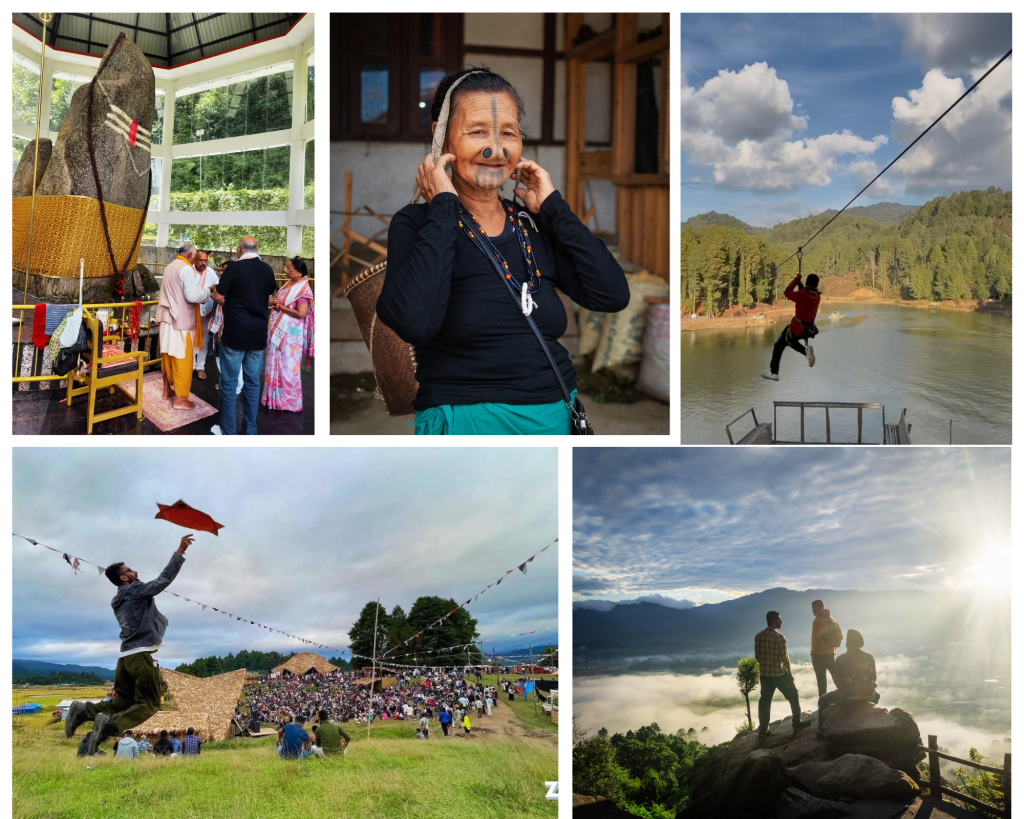
Within the festival, the immersion runs deeper. Expect traditional arts and crafts workshops, yoga, meditation, dance and movement sessions. The Signature Masterclasses bring a contemporary edge, with experiences like cocktails crafted from local ingredients. Beyond the grounds, Ziro rewards curiosity—guided village walks with ethnic meals, visits to Tarin fish farms and paddy fields, tastings at Naara-Aaba kiwi winery, and excursions to waterfalls and the striking Shri Sidheshwar Nath Temple with its naturally formed towering Shivling. It’s a place where every moment, whether planned or spontaneous, feels quietly extraordinary.
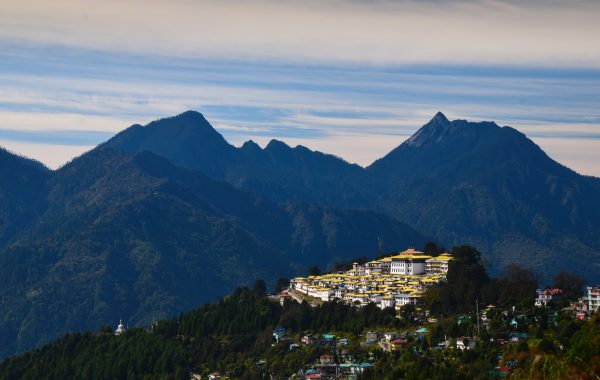
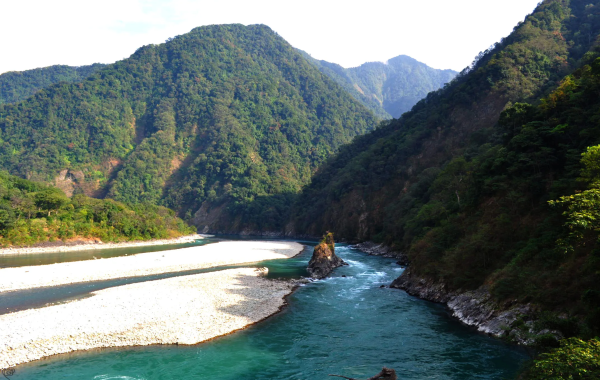
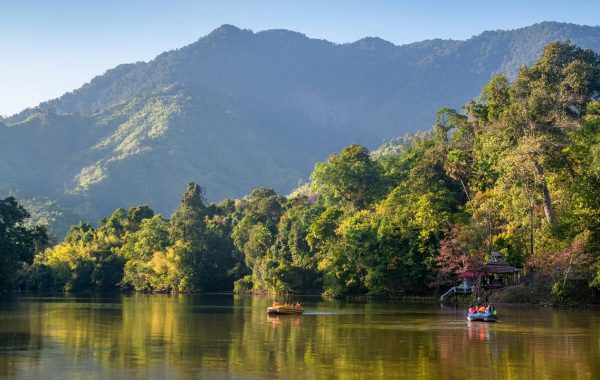
And if you have a few extra days to spare, the journey doesn’t have to end in Ziro. Arunachal Pradesh offers compelling extensions. Head west towards Tawang, home to the second-largest Buddhist monastery in the world, and continue to Bum La Pass along the Indo-China border. Or take the scenic Itanagar–Ziro–Daporijo–Aalo–Pasighat circuit, a route that reveals Arunachal at its most layered and unhurried. Drift into Daporijo, where bamboo-and-cane suspension bridges stretch across the Subansiri River and forest reserves like Sigem and Kamala offer rich birdlife, rafting, and riverside picnics.
Explore Malinithan, an evocative temple ruin steeped in mythology and intricate stone carvings, or make your way to Pasighat, where hanging bridges sway above the mighty Siang and waterfalls cut through forested hills. Near Ziro, the hills of Kardo Forest hide a striking 25-foot Shiva lingam, discovered only recently. And since most journeys begin or end at the capital, spend time in Itanagar—from the historic Itafort and serene Ganga Lake to museums, craft centres, and botanical parks that offer a deeper glimpse into Arunachal’s cultural fabric.
MUST EATS

Food at Ziro is as much a part of the experience as the music—rooted, local, and full of character. Bamboo shoots appear in multiple forms—pika pila pickles, chutneys, and bamboo chicken—each bringing a sharp, earthy flavour that defines local cooking. Expect hearty staples like fresh river fish or smoked meats with rice, alongside regional favourites such as chura sabji, a comforting, slightly pungent soup made with fermented cheese and spiked with fiery bhut jolokia, and lukter, a bold, spicy dried meat dish. And everywhere you turn, there are steaming hot momos, simple and satisfying. For Vegetarians, festival stalls offer a generous spread of vegetarian thalis, fresh salads, burgers, and plant-based local dishes, ensuring there’s plenty to choose from while still getting a taste of the region.
To drink, start with Apong, the local rice or millet brew—often called beer, though it’s closer to a light, rustic wine. You’ll also find apple and kiwi wines, made from locally grown fruit, reflecting the region’s clean, organic farming traditions.
WHERE TO STAY
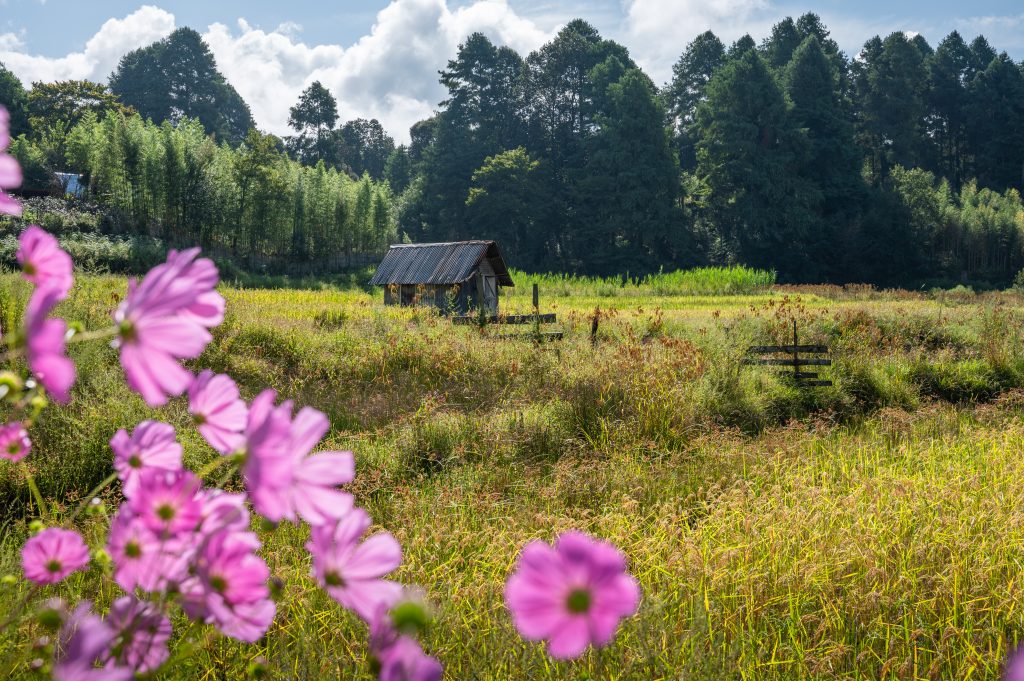
Accommodation in Ziro is part of the experience, shaped as much by the landscape as the festival itself. The most immersive option is to stay in one of the many campsites scattered around the valley—ranging from basic tents to thoughtfully designed, eco-conscious luxury camps. Some even offer a bring-your-own-tent setup, for those who prefer a more personal, under-the-stars experience.
For a deeper connection to the region, consider a local homestay, where Apatani families open their homes during the festival. It’s a chance to experience daily life up close—simple, warm, and often the highlight for returning visitors who come back year after year.
If you prefer a more structured stay, there are a handful of small hotels and guesthouses in and around the main market area and near the festival grounds. They’re comfortable and convenient, though the real charm of Ziro lies in staying closer to nature, where the valley feels just a little more personal.
PERMITS BEFORE YOU TRAVEL
Before heading to Ziro, a little paperwork is essential. Indian travellers must obtain an Inner Line Permit (ILP) through Arunachal Tourism’s official portal before arrival. For NRIs, OCI holders, and foreign nationals, a Protected Area Permit (PAP) is required, issued via the Foreign Regional Registration Office. Do note, these permits are typically granted for group travel rather than solo visits, so it’s best to plan accordingly in advance.
Ziro isn’t just a festival you attend—it’s a place you slip into. Between the music, the mountains, and the quiet in-between moments, it leaves you with something harder to define but impossible to forget. Come for the lineup, stay for the landscape, and leave with a rhythm that lingers long after you’ve gone.
In Partnership with Arunachal Pradesh Tourism
For latest travel news and updates, food and drink journeys, restaurant features, and more, like us on Facebook or follow us on Instagram. Read more on Travel and Food Network
Related Coverage
Discover The Beauty Of Arunachal Pradesh Through Bird And Butterfly Spotting