



Plan your perfect trip to Itanagar with our insider guide to top attractions, tribal heritage, local food, trekking trails, and travel tips in Arunachal Pradesh.
Tucked into the mist-draped ridges of the Eastern Himalayas, Itanagar is Arunachal Pradesh’s quietly magnetic capital bringing together history, culture, and nature in a way that feels authentic and lived-in. Tribal traditions aren’t put on display—they’re part of daily life. You see it in the food, the festivals, the way people dress, and even in the rhythm of the city itself.
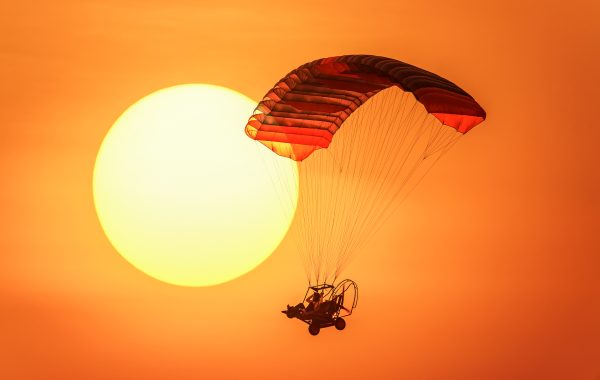
Beyond the city’s cultural pulse, the surrounding hills offer lush greenery, winding forest trails, and skies that shift from gold to amber as the day draws to a close. Whether you arrive as a history enthusiast, a nature lover, or simply a curious wanderer, Itanagar invites you to slow down, take it in, and experience it fully—leaving you with memories that linger long after you’ve left.
Things to See and Do in Itanagar
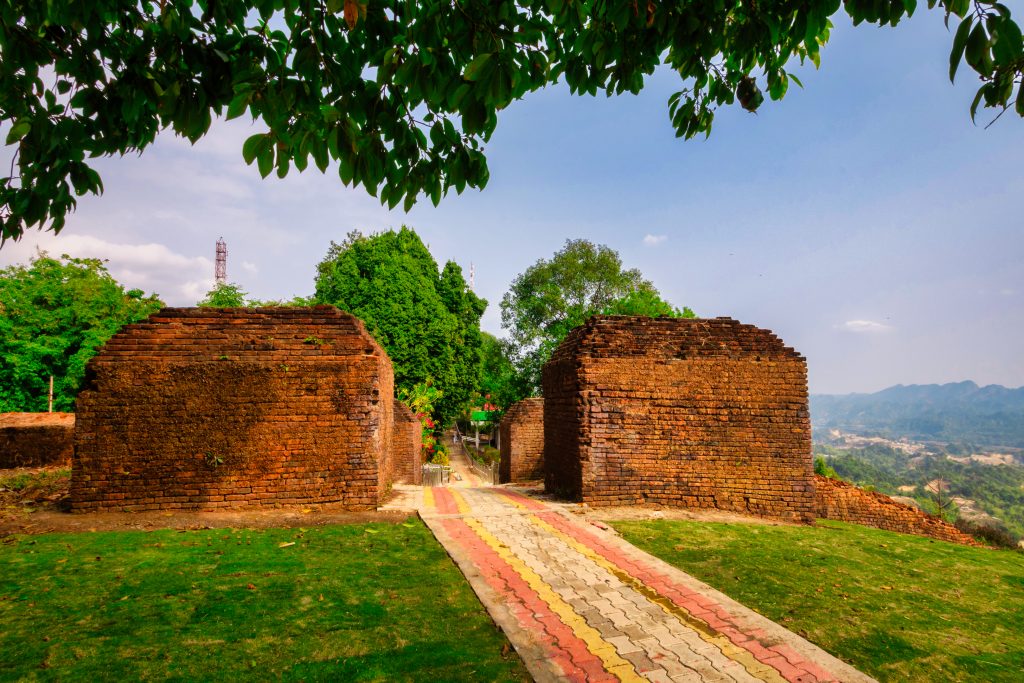
At the centre of Itanagar’s story stands Ita Fort—the structure that gives the city its name. Believed to date back to the 15th century, its weathered brick walls rise quietly against a backdrop of hills, offering not just a glimpse into the region’s past but also sweeping views across the capital. It’s less about grand architecture and more about atmosphere—the feeling of standing somewhere that has witnessed centuries pass.
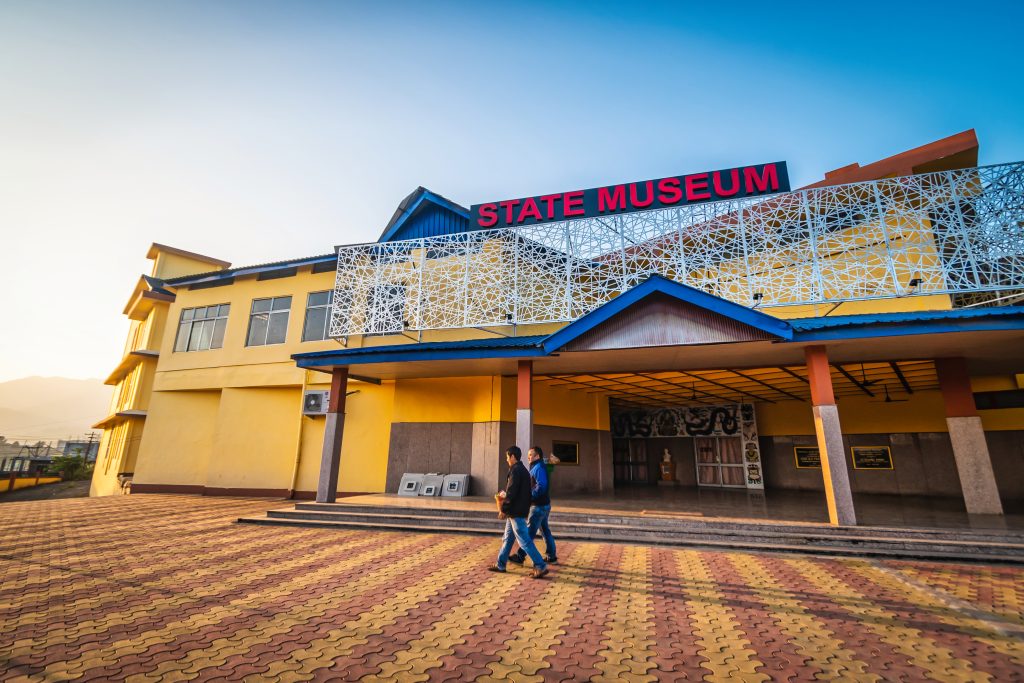
A short distance away, the Jawaharlal Nehru State Museum brings Arunachal Pradesh’s many cultures into focus. Inside, you’ll find finely woven textiles, traditional ornaments, and everyday objects that reflect the lives of the state’s diverse tribes. It’s the kind of place where each exhibit feels personal, giving context to everything you see across the region.
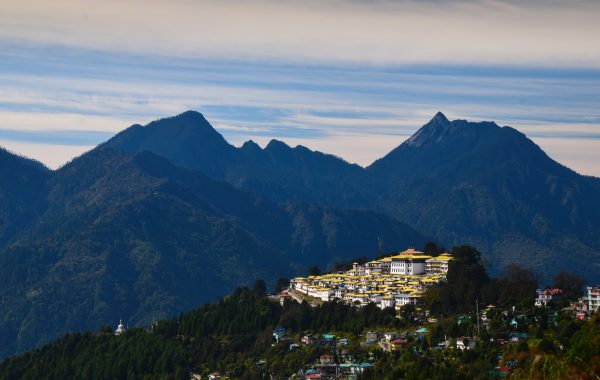
Not far from Jawaharlal Nehru State Museum , tucked into the rolling green hills, the Gompa Temple (Thupten Gatseling Monastery) offers a quieter, more reflective pause. Consecrated by His Holiness the Dalai Lama, it stands as a gentle tribute to the region’s Buddhist heritage. The setting is calm, almost meditative—prayer flags flutter softly, the architecture understated yet elegant, and the atmosphere invites stillness. As a centre for Buddhist learning in the city, it’s a place where visitors can slow down, take in the surroundings, and experience a sense of quiet introspection away from the rhythm of everyday life.
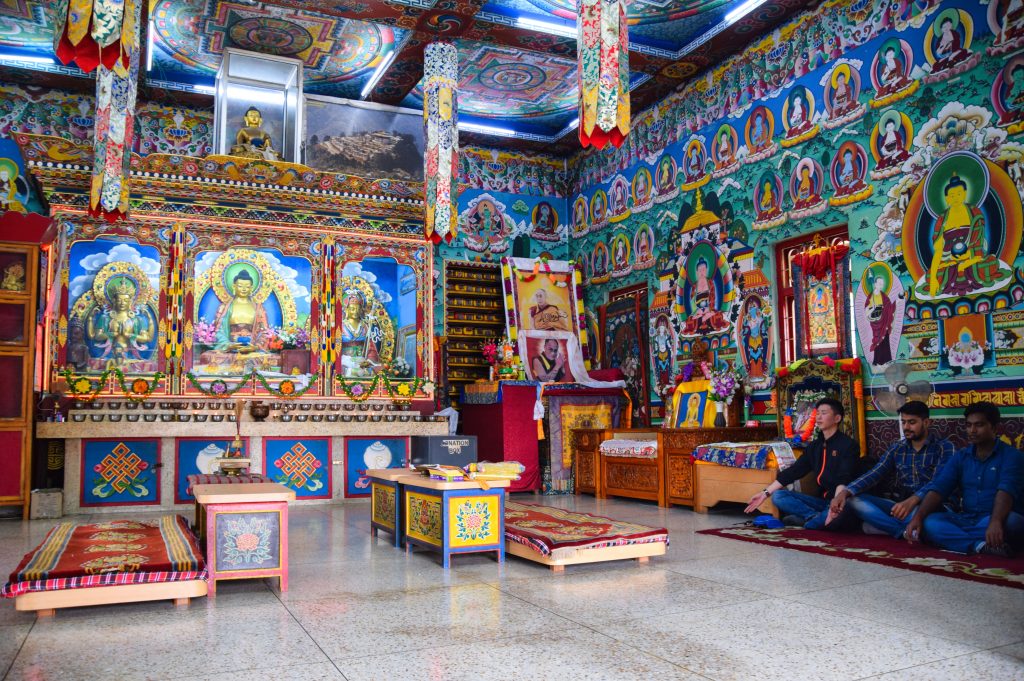
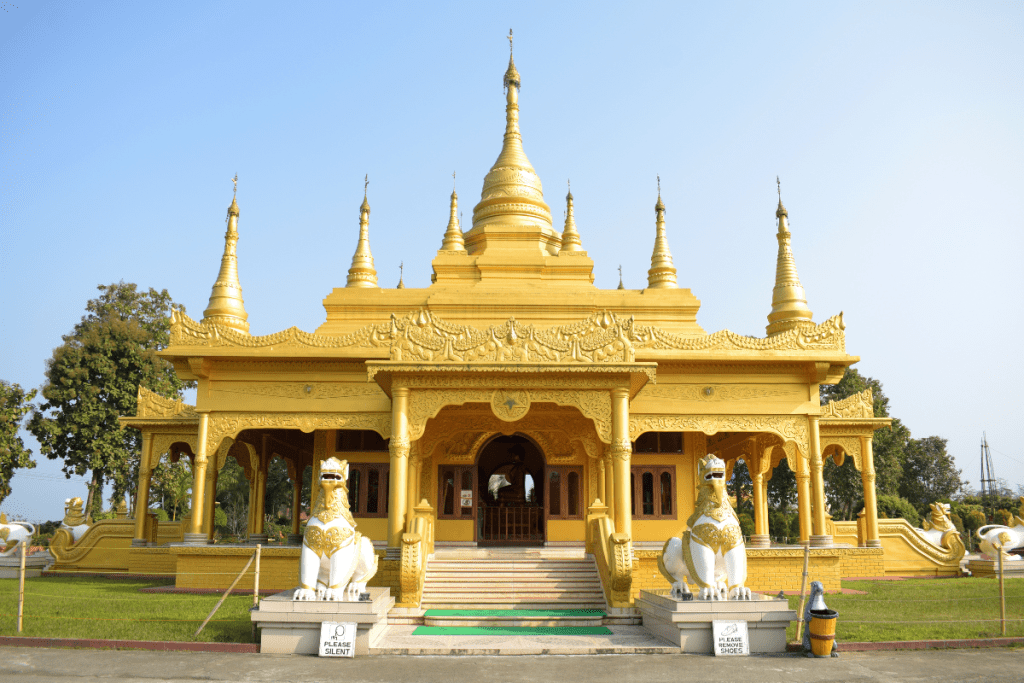
A short 15-minute drive from here, the Theravada Buddhist Temple offers an equally serene experience. A striking example of Burmese design and craftsmanship, it is revered by locals and visitors alike, and serves as a quiet hub for cultural exchange—offering a glimpse into the practices and philosophy of Theravada Buddhism.
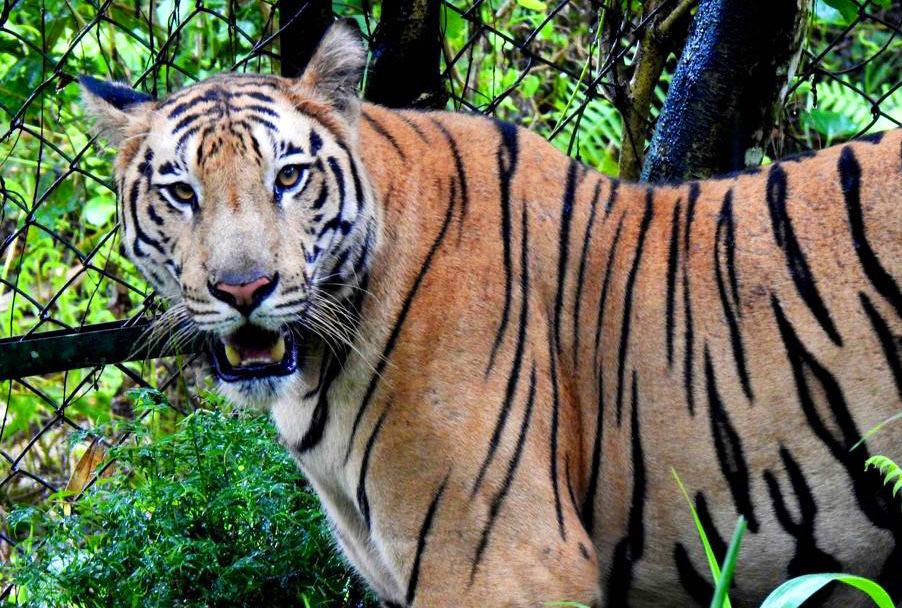
From here, the journey naturally moves from culture to the wild. Set within a sweep of forested land on the edge of the city, the Itanagar Zoological Park—earlier known as the Biological Park—offers a quieter, more immersive way to experience the region’s wildlife. Spread across nearly 180 hectares, the park is home to some of the Northeast’s most striking species, including the elusive clouded leopard, the Royal Bengal tiger, gharial, and the lively hoolock gibbon. What makes the experience distinctive is the effort to recreate natural habitats, allowing these animals space and an environment that closely mirrors the wild.
Within the city, green spaces offer a gentler pause. Indira Gandhi Park, one of Itanagar’s most popular public parks, is ideal for an easy stroll or a quiet break amid landscaped surroundings. A short drive away in Naharlagun—the twin capital—Polo Park, a small botanical garden set along a ridge, offers elevated views and a glimpse of the region’s native plant life in a compact, well-kept setting.
Beyond the City: Itanagar’s Untouched Trails
Beyond its city edges, Itanagar opens into a landscape made for quiet exploration. Trails slip into dense forests, climb towards remote hilltops, and reveal sweeping views of a region still largely untouched.
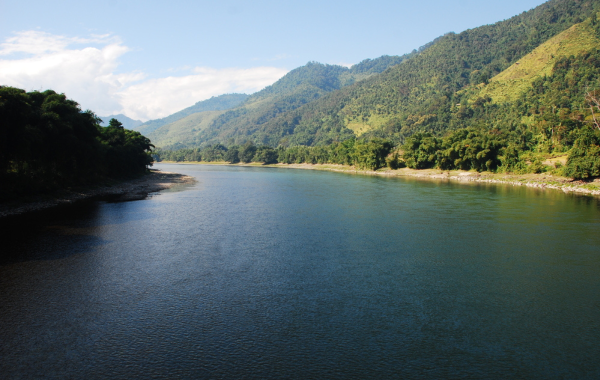
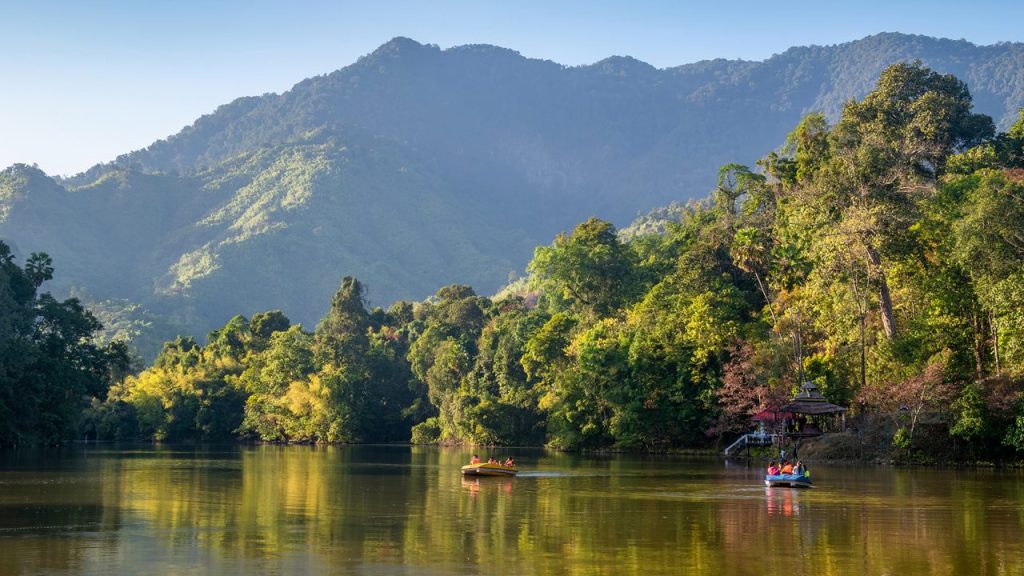
Nature is never far in Itanagar. Ganga Lake (Gyakar Sinyi) is a serene escape, surrounded by dense forest and still waters that mirror the sky. It’s ideal for an unhurried walk or a quiet boat ride, with the kind of calm that makes you pause a little longer than planned.
For a deep connection with the wild, the Itanagar Wildlife Sanctuary offers trails through thick greenery, home to rare birds, orchids, and native species. It’s less about ticking off sightings and more about immersing yourself in the landscape.
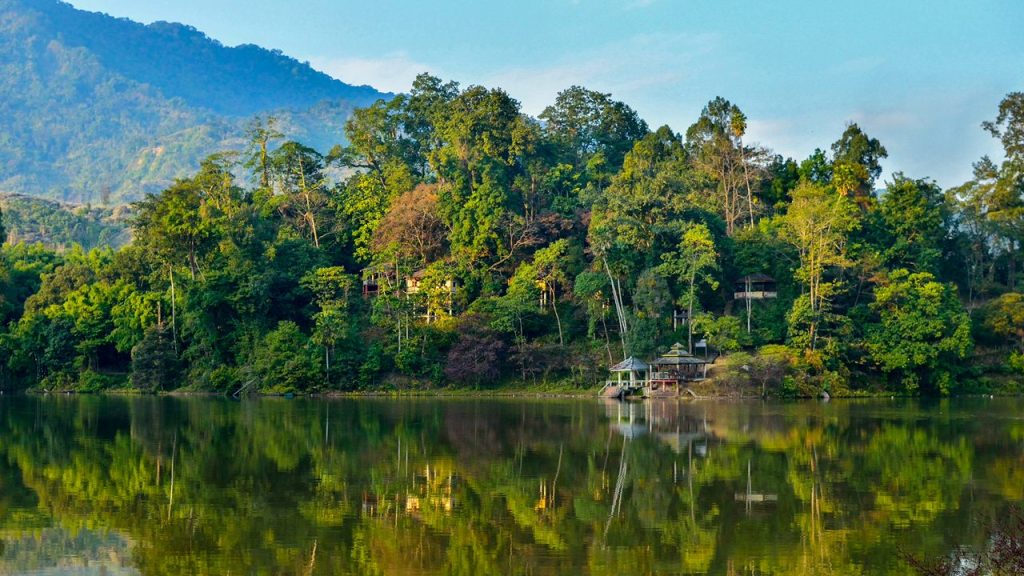
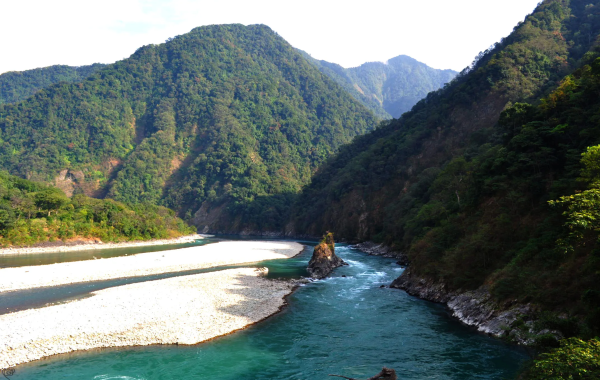
The Poma Bamboo Forest trek winds through towering bamboo groves, where filtered light and the gentle presence of the Poma River create a setting that feels both intimate and expansive. It’s a walk that draws you into the rhythm of the forest rather than rushing you through it.
Further out, the Pakhui Wildlife Sanctuary trek offers a deeper immersion into the Eastern Himalayas. Here, the terrain grows wilder, the forest denser, and the chances of encountering native wildlife add an element of quiet anticipation to the journey.
If you’re inclined to explore further, the region opens up into rewarding trails. Treks around the sanctuary itself lead through dense forests and rolling terrain, while a journey to Ziro Valley—known for its layered rice fields and the distinctive culture of the Apatani tribe—adds a wider perspective to the experience. Here, the landscape and culture come together in a way that feels both striking and deeply rooted.
Sacred Weekend Getaways from Itanagar: Faith, Festivals, and Living Traditions
Itanagar opens the door to a wider cultural and spiritual landscape and to a series of rewarding weekend getaways. As the capital of Arunachal Pradesh, it serves as a natural starting point for journeys across the state—each direction offering a distinct experience shaped by terrain, tradition, and belief.
To the west lies Tawang Monastery, set high in the mountains, where dramatic landscapes meet centuries-old Buddhist practice. In a different direction, towards the eastern stretches of the state, the Golden Pagoda (Buddha Vihar) in Namsai presents a contrasting mood—its gilded dome rising softly against green hills, creating a setting that feels luminous and serene. Step inside, and the atmosphere shifts—gentle chants, intricate detailing, and a sense of stillness that invites quiet reflection.
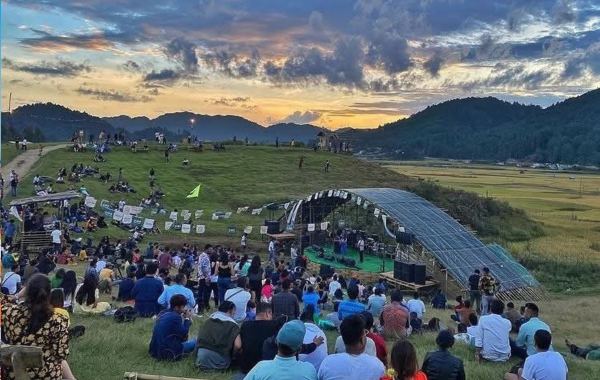
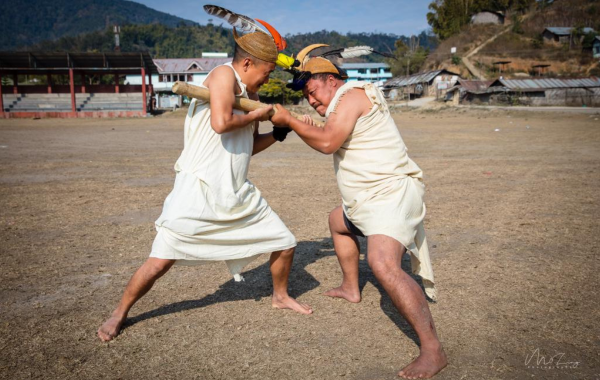
This deep-rooted sense of tradition extends beyond sacred spaces and flows into everyday life, coming alive most vividly during festivals. Nyokum Yullo, celebrated by the Nyishi tribe, fills the air with ritual, music, and communal feasting—an expression of harmony between people and nature. Around the same time of year, Losar, the Tibetan New Year, brings monasteries and homes to life with colour, prayer, and quiet celebration.
Itanagar Cuisine: Rooted in Tradition, Rich in Flavour
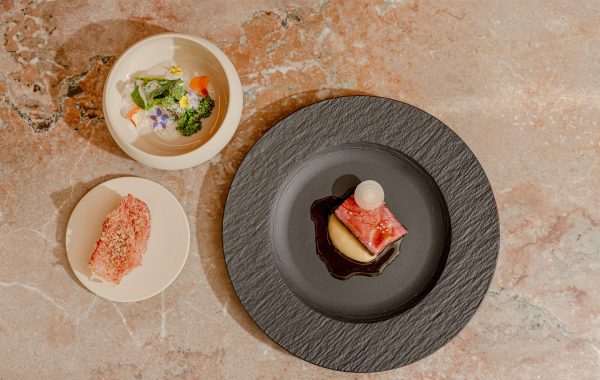
In Itanagar, food feels deeply connected to the land. The cuisine draws from indigenous tribal traditions, shaped by the region’s forests, rivers, and seasonal rhythms, with subtle influences from Tibetan kitchens. What arrives on the plate is simple, honest, and rooted in local ingredients—flavours that feel both distinctive and comforting.
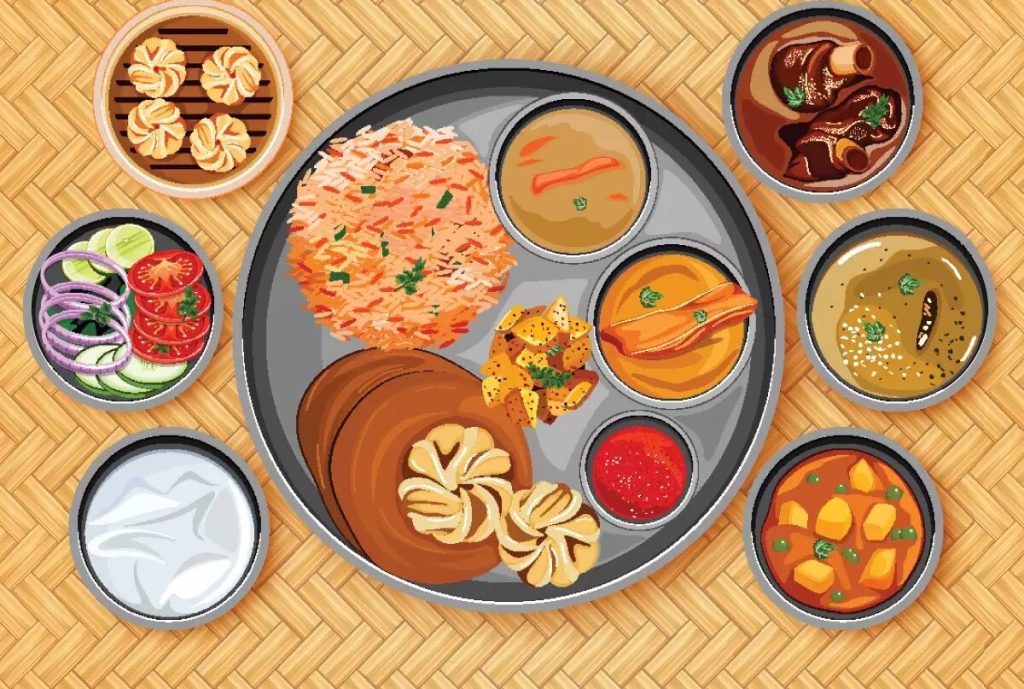
At the centre of it all is rice, the constant across every meal—served steamed, stir-fried, or shaped into noodles. It’s typically paired with bamboo shoots, locally-sourced meats , fresh river fish, and leafy greens,. Among the must-tries are thukpa, a warming noodle soup, and momos, delicate dumplings filled with meat or vegetables—both widely loved and easy to find across the city. The fiery King Chilly, foraged from local hillsides, electrifies chutneys like Pehak (fermented soya and chilli) that arrive alongside nearly everything. To wash it all down, Apong, a traditionally brewed rice beer, offers a gentle, earthy close to the meal.
For those curious to explore further, local eateries offer glimpses of traditional tribal cooking, while a handful of newer spots experiment with fusion, bringing contemporary touches to familiar flavours. And for something sweet, small bakeries add their own charm, offering baked treats that round off the experience.
Souvenirs from Itanagar: Craft, Culture, and Keepsakes
Shopping in Itanagar is less about souvenirs and more about stories you can take home. Look out for Apatani weaves, known for their subtle patterns and earthy tones, or Monpa wood carvings, where each piece carries a sense of place and tradition. Equally distinctive are the finely crafted bamboo and cane products—light, functional, and shaped by generations of skill.
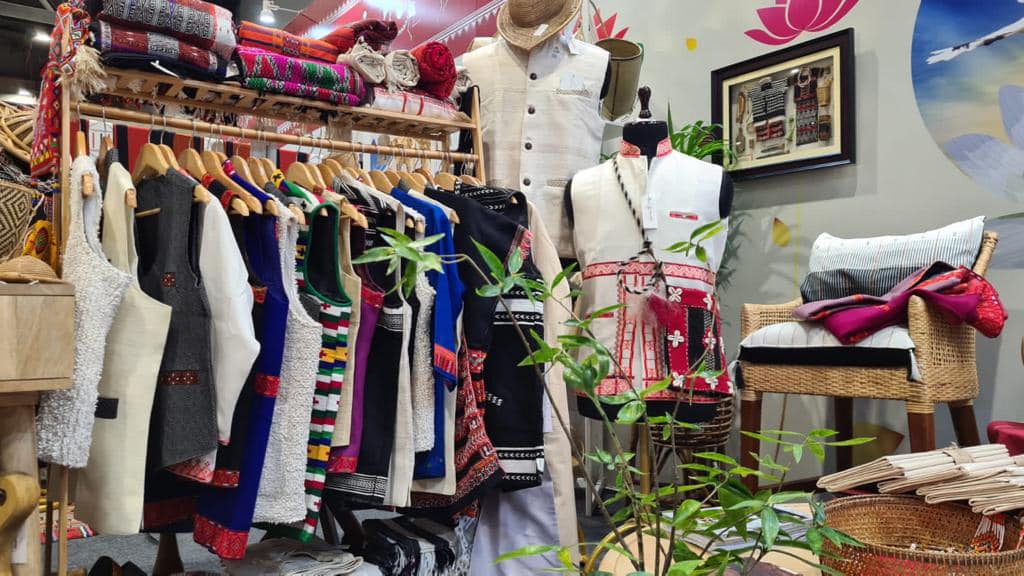
For a deeper dive into local life, Naharlagun Market offers a lively mix of fresh produce, textiles, and traditional attire alongside everyday essentials, giving you a glimpse of the region’s daily rhythm. Closer to the city centre, the Ita Fort market is where craft takes centre stage—handwoven fabrics, bamboo artefacts, and vibrant tribal pieces that reflect the cultural richness of Arunachal Pradesh.
What you leave with may be small, but each piece carries something larger—a connection to the artisans, their craft, and the landscape that shapes it.
Getting There
By Air: The closest access point is Lilabari Airport (North Lakhimpur, Assam), about 60–65 km from Itanagar, with onward road transfers into the city. Alternatively, Itanagar (Hollongi) Airport now connects the capital more directly with select domestic routes.
By Train: The nearest railhead is Naharlagun Railway Station, roughly 15 km from Itanagar, making it the most convenient option. North Lakhimpur Railway Station, about 60 km away, serves as another access point.
By Road: Itanagar is well connected by road, with Guwahati—the main gateway city in the Northeast—located around 300–320 km away, offering a scenic drive through Assam and into Arunachal Pradesh.
Visit between October and April, when the air is clear, the weather is gentle, and the landscape reveals itself at its most inviting—perfect for exploring, lingering, and taking in the many layers of this northeastern capital.
In Partnership with Arunachal Pradesh Tourism
For latest travel news and updates, food and drink journeys, restaurant features, and more, like us on Facebook or follow us on Instagram. Read more on Travel and Food Network
Related Coverage
Discover The Beauty Of Arunachal Pradesh Through Bird And Butterfly Spotting