



From Yellowstone to the Serengeti, discover the world’s most spectacular national parks to visit in 2026—chosen for beauty, wildlife, and sustainable travel.
I’ve always been drawn to nature—not just for its beauty, but for what it gives back in return. The stillness. The scale. The rare chance to stand somewhere far removed from traffic, timelines, and the persistent glow of artificial light. In those moments—under star-heavy skies or beside landscapes shaped over millennia—you remember how restorative distance can be.
The idea of setting land aside for protection is not new. The United States formalised it first with Yellowstone in 1872, but the instinct behind it is universal. Across continents, governments have since reserved vast tracts of wilderness—forests, deserts, coastlines, mountains—not as luxury backdrops, but as living systems worth defending. National parks today sit at a crucial intersection: conservation, culture, climate responsibility, and tourism.
For this 2026 edit, we’ve looked at national parks located within the world’s most compelling travel destinations—places people already dream of visiting. These are not remote-for-the-sake-of-remote selections. They are parks embedded within popular tourism circuits, chosen deliberately to show how travel and preservation can coexist when done thoughtfully. Each park on this list reflects a commitment to safeguarding biodiversity, supporting local communities, and promoting ecotourism that gives more than it takes. Sustainability isn’t treated here as a buzzword. It’s present in visitor caps, Indigenous stewardship, conservation funding through tourism, and policies that prioritise long-term ecological health over short-term footfall. These are landscapes where access is earned, not exploited—and where the privilege of visiting comes with responsibility.
As travel continues to rebound and redefine itself, national parks feel more relevant than ever. They remind us that the most memorable journeys aren’t always about accumulation, but about attention—slowing down, treading lightly, and choosing places that will still be extraordinary long after we’ve left.
This is our National Parks Edit for 2026: iconic, essential, and quietly powerful.
AFRICA
Kruger National Park, South Africa
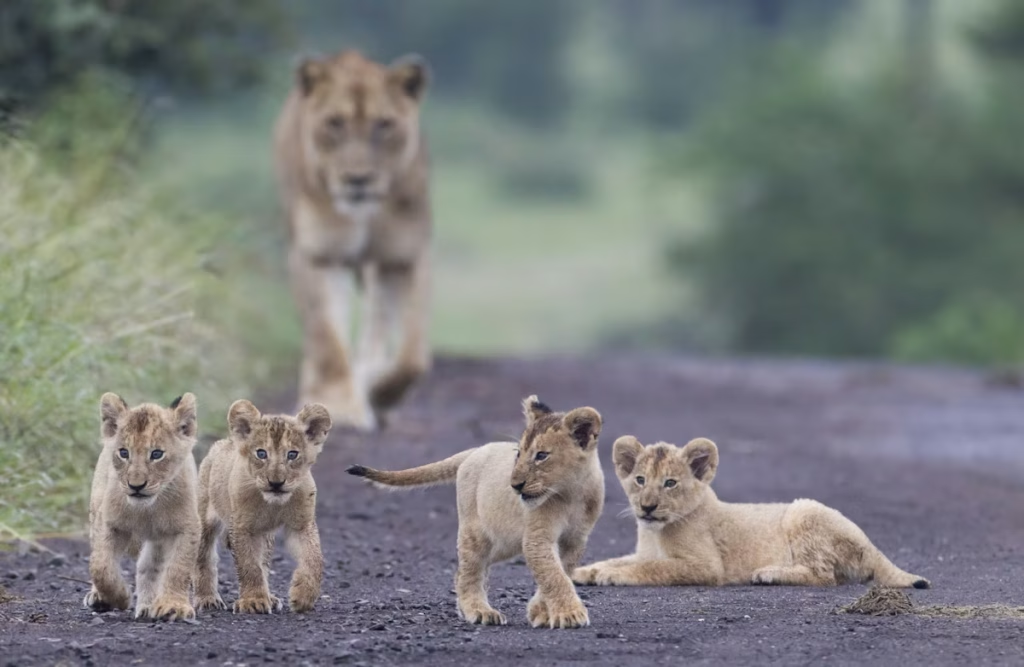
In South Africa’s far northeast, Kruger unfolds on an epic scale—nearly 7,500 square miles of unfenced wilderness where nature sets the pace. This is classic safari country, home to the Big Five (lion, leopard, elephant, rhino, and Cape buffalo), and an astonishing density of wildlife that shifts with the seasons, from open savannahs to riverine forests. What sets Kruger apart is its range of experiences: self-drive routes for independent explorers, expertly guided game drives for deeper insight, and accommodation that spans understated rest camps to refined private lodges. It’s a place where accessibility and conservation coexist with surprising ease.
Serengeti National Park, Tanzania
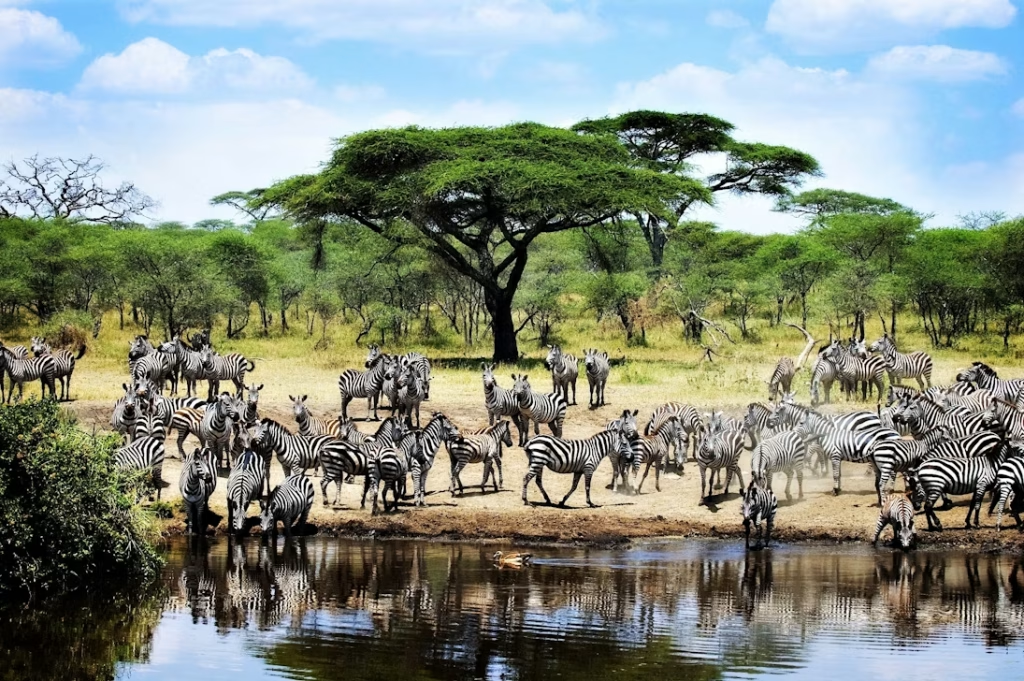
Few landscapes are as deeply woven into the mythology of wild Africa as the Serengeti. One of the planet’s oldest ecosystems, this vast Tanzanian plain feels timeless—its horizons shaped by predators, prey, and ancient migration routes. While lions, elephants, and giraffes roam freely year-round, the Serengeti’s defining moment comes with the Great Migration, when vast herds of wildebeest and zebra thunder across the grasslands in search of fresh grazing. Whether experienced from a safari vehicle, a light aircraft, or a sunrise hot-air balloon, the Serengeti delivers wildlife encounters that feel both humbling and cinematic—nature, uninterrupted.
ASIA
Doi Inthanon National Park, Thailand
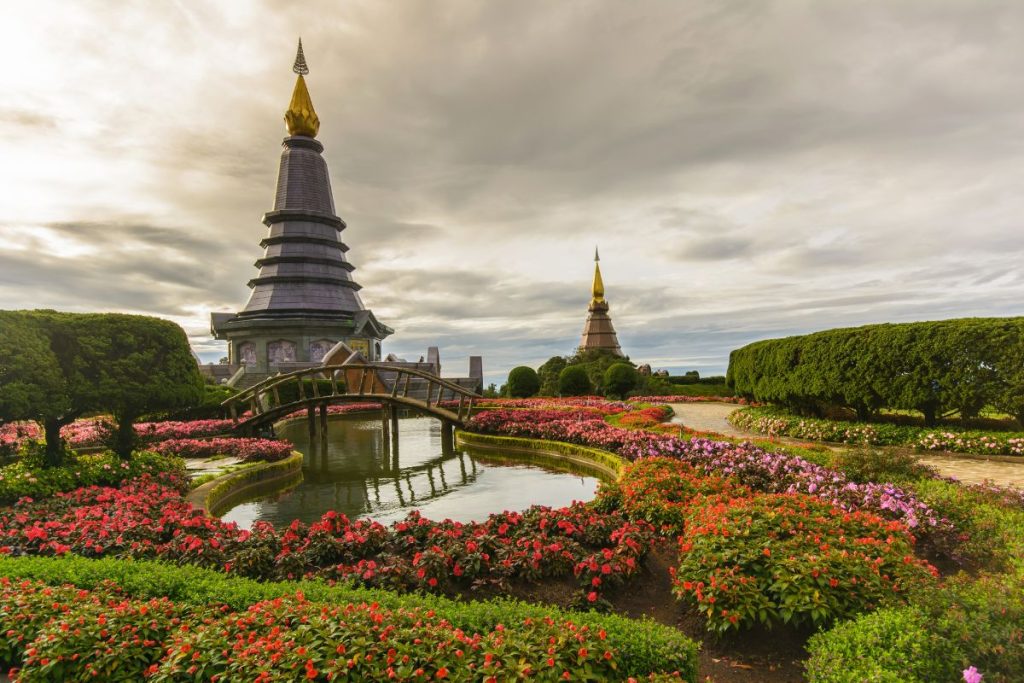
Rising above northern Thailand like a green exhale, Doi Inthanon feels worlds away from the country’s tropical heat. Anchored by Thailand’s highest peak, the park’s altitude brings cooler air, drifting mist, and a rhythm that invites unhurried exploration. Waterfalls spill through dense forest, hiking trails wind past hill-tribe villages, and twin royal stupas appear almost unexpectedly, wrapped in cloud. This is a landscape best experienced slowly—lingering on shaded paths where rare orchids bloom and birdlife thrives, and where the cloud forest reveals one of Thailand’s most quietly enchanting natural worlds.
Ranthambore National Park, India
Set against the rugged landscape of eastern Rajasthan, Ranthambore is one of India’s most compelling places to encounter the tiger—where wildlife unfolds amid ruins, ritual, and history. Dry deciduous forests, rocky plateaus, and scattered lakes form the backdrop for safaris that often reveal tigers resting in the shadow of the 10th-century Ranthambhore Fort, its walls rising dramatically above the jungle. Once a royal hunting ground and protected since 1955, the park became part of Project Tiger in 1973 and has since earned a formidable reputation for sightings. Pilgrims still make their way to the Ganesh temple within the fort, a reminder of the delicate coexistence between people and predators that makes Ranthambore as thought-provoking as it is photogenic.
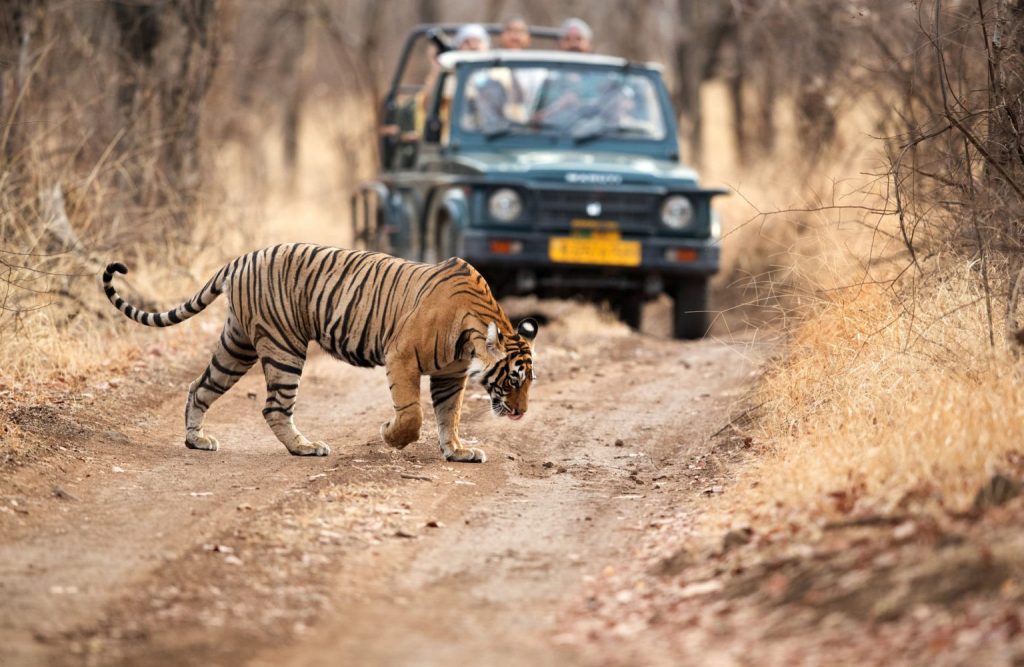
With 106 national parks scattered across India, Ranthambore is only the beginning. Jim Corbett National Park, Uttarakhand pairs dense sal forests with some of the country’s most reliable tiger and elephant sightings, while Nagarhole National Park, Karnataka offers a front-row seat to seasonal elephant migrations along the Kabini River. Gir National Park, Gujarat remains the last refuge of the rare Asiatic lion, its dry teak forests quietly rewriting conservation history. High in the trans-Himalaya, Hemis National Park, Ladakh draws patient travellers hoping to glimpse the elusive snow leopard against a stark, lunar landscape, while Pench National Park, Maharashtra blends classic big-cat territory with unexpectedly rewarding stargazing after dark. The narrative shifts to water and wilderness in Sundarbans National Park, West Bengal, where boat safaris thread through mangrove channels inhabited by tigers adapted to a tidal world—proof that India’s wild heart is as diverse as it is enduring.
EUROPE
Parco Nazionale delle Dolomiti Bellunesi, Italy

In the quieter folds of northeastern Italy, the Dolomiti Bellunesi feels almost unreal—an Alpine landscape where gentler meadows suddenly give way to pale, sculptural peaks that glow softly in changing light. Valleys unfurl like green carpets, streams glint through forests, and mountains rise with cathedral-like precision, their jagged silhouettes shaped by centuries of erosion. Here, geology becomes spectacle: brittle rock carved into dramatic spires, deep basins, and narrow gorges, all softened by pastoral curves below. It’s a place where scale shifts constantly, inviting slow walks, long pauses, and an appreciation for nature’s architectural instincts.
Plitvice Lakes National Park, Croatia
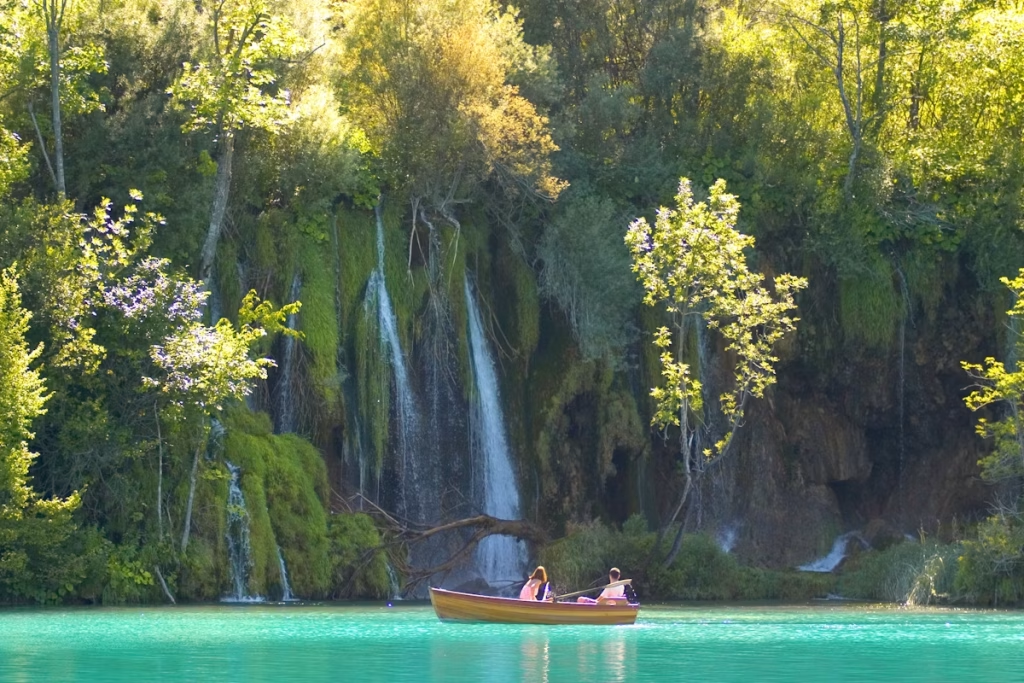
Plitvice Lakes is a study in motion and colour—a living system of waterfalls, cascades, and mineral-rich springs threading their way through dense forest. Set inland between Zagreb and Zadar, this UNESCO-listed park reveals itself as a chain of luminous lakes, each shifting in tone from jade to turquoise to deep blue as light and season change. Water tumbles over natural limestone barriers, reshaping the landscape in real time, while old-growth beech and fir forests shelter elusive wildlife beyond the boardwalks. Each season brings a different mood: spring’s roaring falls, summer’s drifting butterflies, autumn’s burnished canopy, and winter’s frozen stillness—proof that Plitvice is never quite the same place twice.
Hohe Tauern National Park, Austria
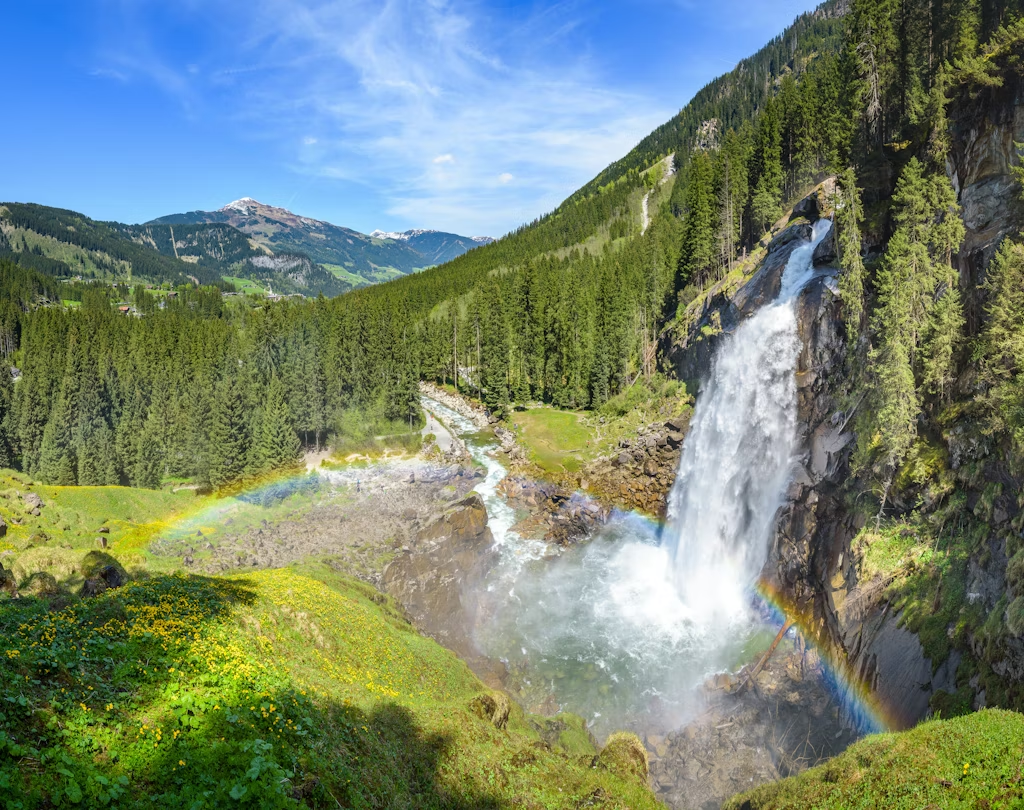
Austria’s Alps reach their most spectacular crescendo in Hohe Tauern, a vast high-altitude wilderness crowned by Grossglockner, the nation’s tallest peak. Stretching across Tyrol, Carinthia, and Salzburgerland, the park unfolds in sweeping gestures—glacier-laced valleys, serrated summits soaring well above 3,000 metres, and waterfalls that plunge with operatic flair, none more famous than the misty, rainbow-framed Krimmler Falls. This is alpine grandeur in its purest form, animated by wildlife that thrives at scale: marmots darting through meadows, ibex poised on cliffs, and golden eagles riding the thermals above trails that invite slow, breathless exploration.
Swiss National Park, Switzerland
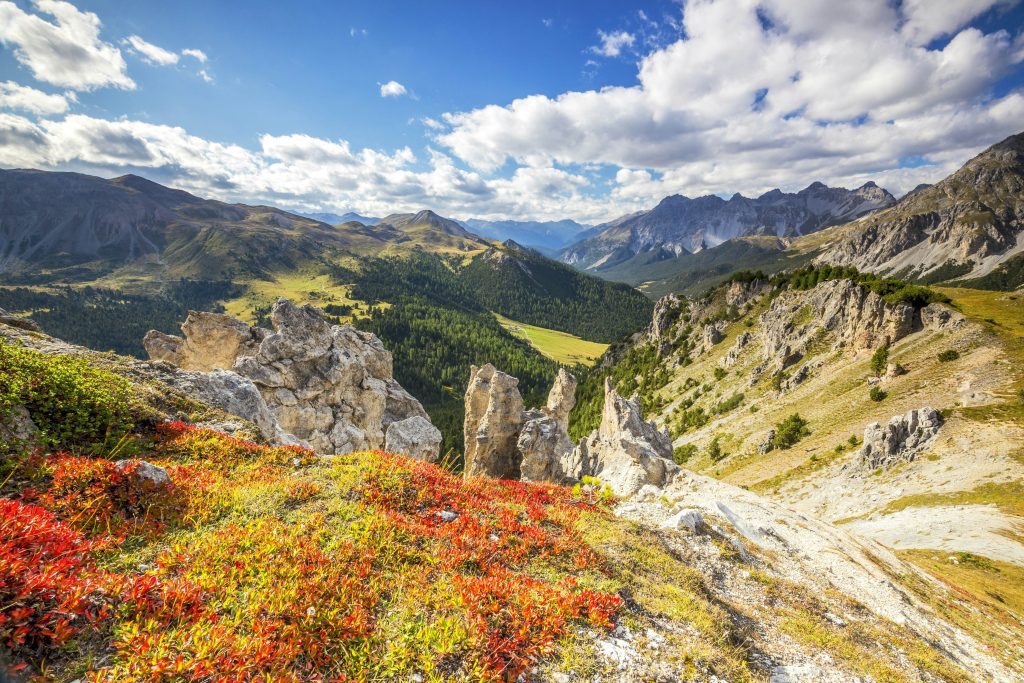
Switzerland’s only national park feels like a deliberate act of restraint—and all the more powerful for it. Tucked into the Lower Engadin near the Italian border, this rigorously protected landscape has been left entirely to nature since 1914. Larch and pine forests, alpine pastures, rushing streams, and high moors unfold without human interference, offering a rare glimpse of the Alps before modern tourism reshaped them. Hiking trails thread quietly through the park, where encounters with ibex, chamois, and soaring birds of prey feel earned, and alpine flowers like edelweiss appear as fleeting rewards.
Oulanka National Park, Finland
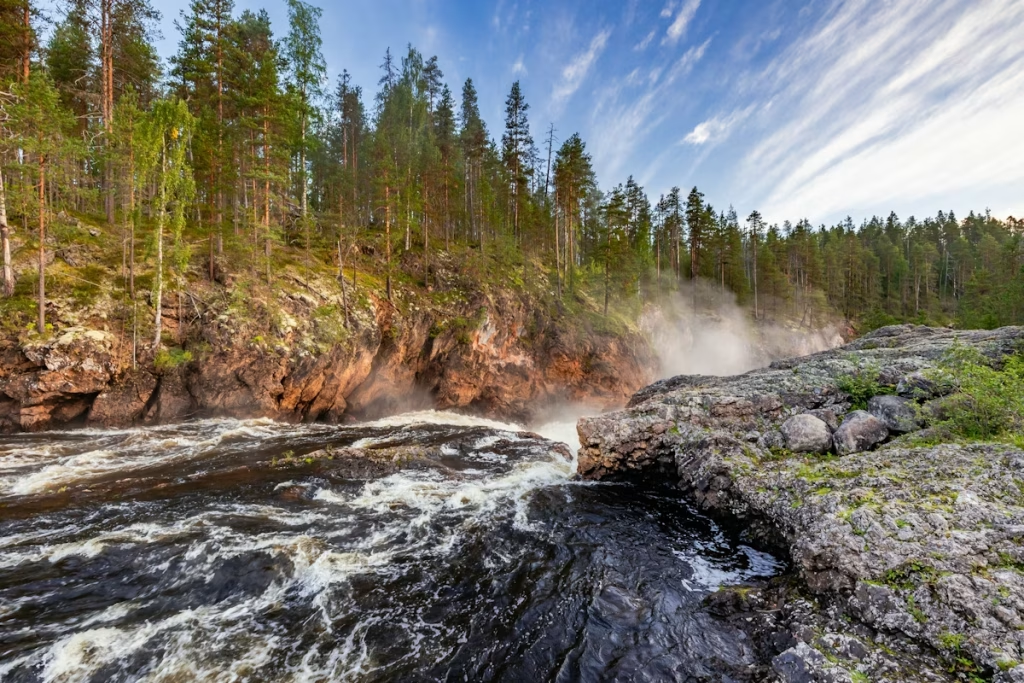
In Finland’s remote east, close to the Russian border, Oulanka is defined not by spectacle but by stillness. This is a landscape of rivers cutting through deep gorges, rapids rushing past pine, birch, and spruce forests, and wide stretches of moorland where silence settles easily. Once Sámi land, the park retains a sense of quiet freedom, best explored on foot, by bike, or drifting by canoe. Wildlife remains elusive—brown bears, moose, reindeer, lynx, and wolverines move discreetly through the forest—but the true luxury here is distance from the world, and the rare pleasure of hearing only water and wind.
Parc National des Écrins, France
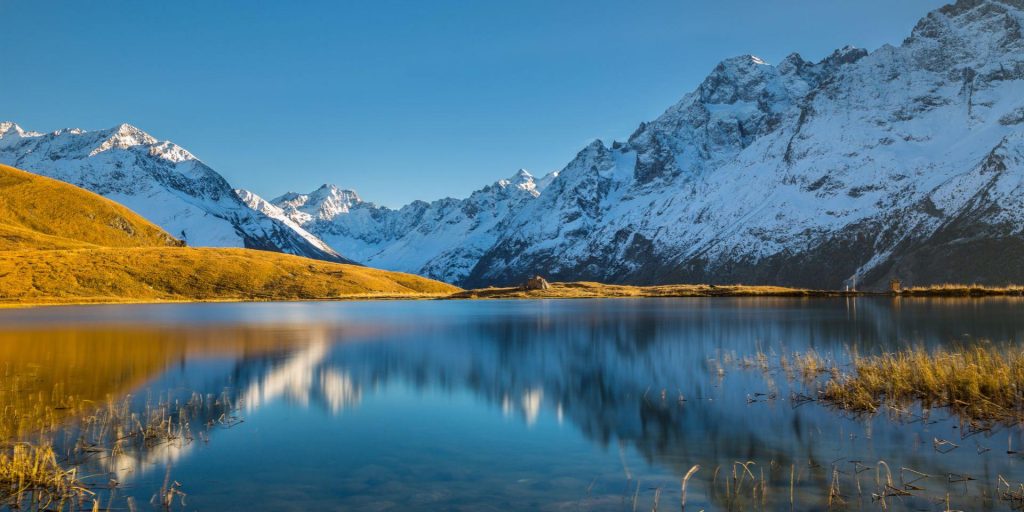
The French Alps show their wildest, least mediated side in Parc National des Écrins, a vast sweep of glacially sculpted terrain where scale and solitude still reign. Forests rise into flower-filled alpine meadows, rivers crash through rock-strewn valleys, and ice-blue lakes sit beneath peaks that regularly climb past the 4,000-metre mark, crowned by the elegant Barre des Écrins. With hundreds of kilometres of trails—many traced long ago by shepherds—the park invites repeat visits without repetition. Outside the solitary hamlet of Dormillouse, life here unfolds in mountain refuges and high passes, best explored in the short, luminous window between mid-summer and early autumn.
Peneda-Gerês National Park
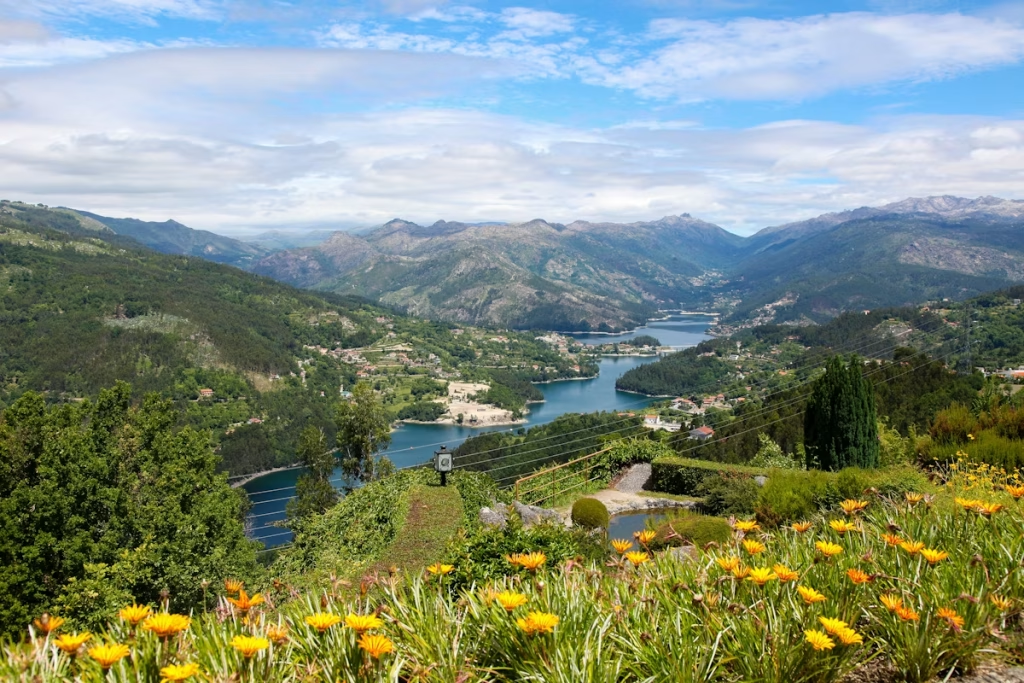
In Portugal’s far north, Peneda-Gerês is where the idea of going off-grid becomes beautifully literal. Spanning 703 square kilometres, the park unfolds in a rugged patchwork of granite mountains rising above oak and pine forests, streams slicing through deep valleys, and hilltop villages crowned with traditional espigueiros overlooking terraced fields. Nature here feels largely undisturbed—ibex, deer, wild horses, and even Iberian wolves move through the landscape with ease—and slipping away from modern life is remarkably simple, especially in the quieter northern reaches reached via the Lamas de Mouro gateway. Hiking trails trace glacially shaped ridges to wildflower-strewn meadows, waterfalls plunge into shadowed ravines, and open highlands reveal grazing horses, giving the park a raw, almost primeval rhythm that rewards those willing to slow down and wander.
Jostedalsbreen National Park, Norway
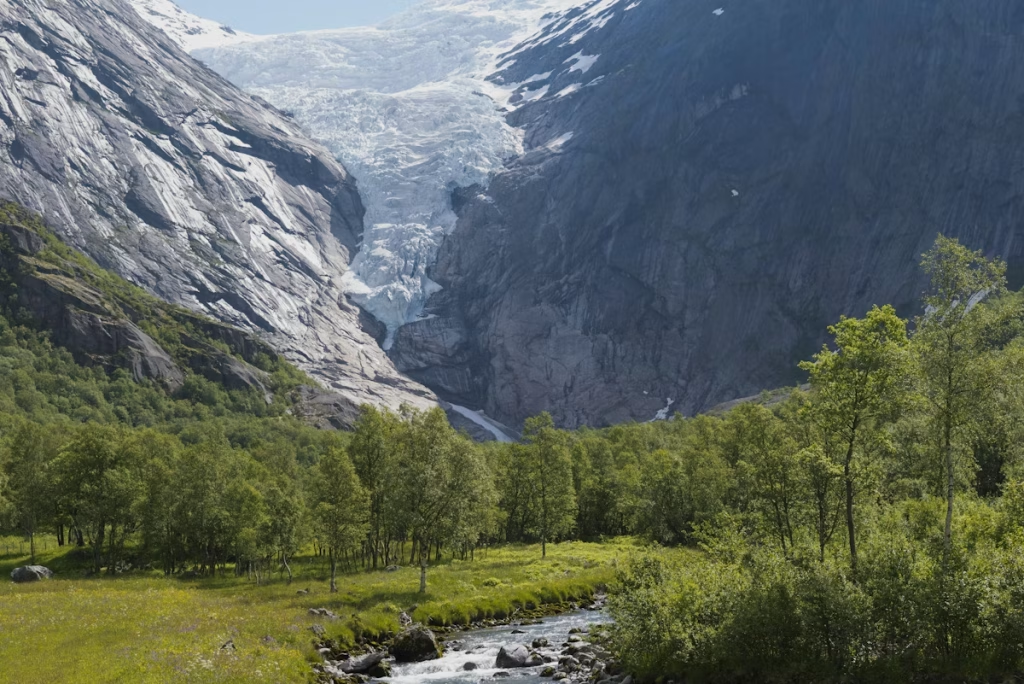
In Norway’s western fjord country, Jostedalsbreen delivers glacial drama on an unforgettable scale. At its heart lies mainland Europe’s largest ice cap, a sweeping expanse of ancient ice that divides the legendary Sognefjord and Nordfjord. Fingers of the glacier spill into lush valleys framed by sharply contoured peaks and milky-blue waters, creating a landscape that feels both severe and strangely serene. While many visitors gravitate toward accessible glacier arms like Briksdalsbreen, the park rewards those who linger—with quiet trails, powerful scenery, and a humbling reminder of nature’s slow, relentless force.
Picos de Europa National Park, Spain
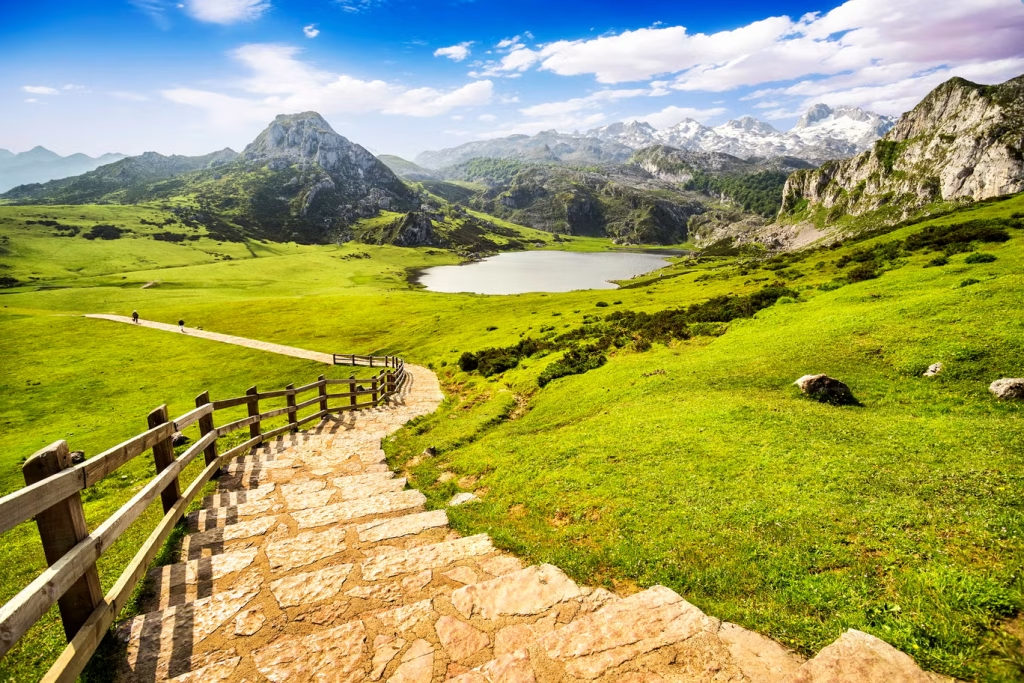
Just inland from Spain’s northern coast, the Picos de Europa rise with startling confidence—limestone peaks and deep-cut gorges appearing almost abruptly from the green Atlantic hinterland. Spread across Asturias, Cantabria, and Castilla y León, this historic park balances softness and severity: emerald meadows and mirror-like lakes give way to dramatic escarpments that shelter elusive wildlife, from Iberian wolves to brown bears. Well-marked trails thread through the terrain, while traces of human presence—most notably the prehistoric cave art at nearby Tito Bustillo—add a sense of deep time to a landscape that feels thrillingly alive.
Vatnajökull National Park, Iceland
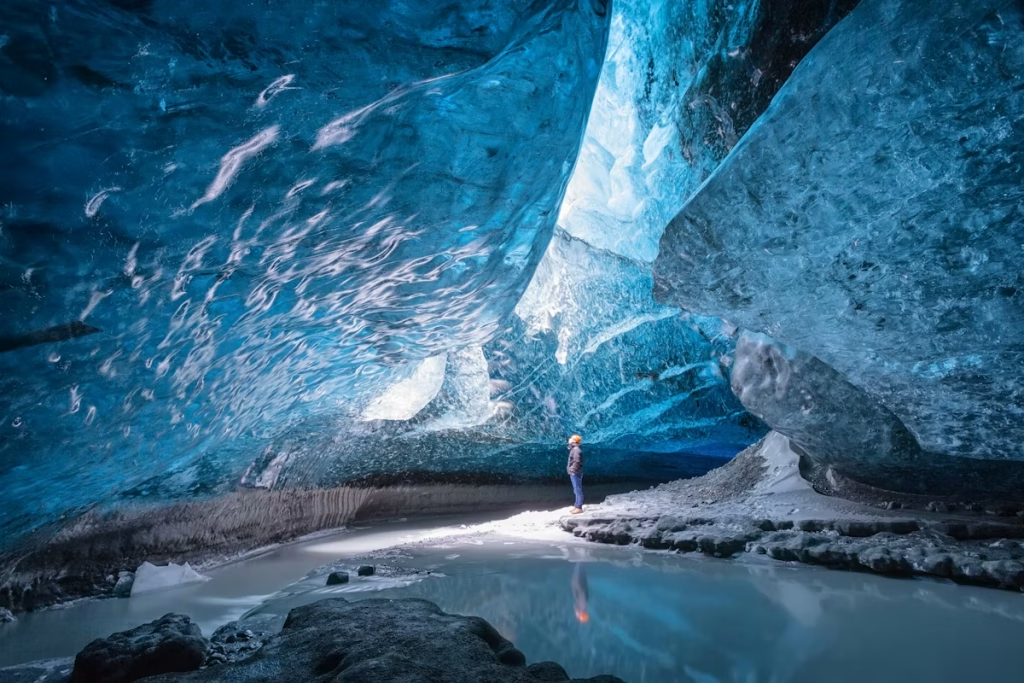
Vatnajökull is Iceland distilled to its most elemental form. Europe’s largest national park stretches across a vast swathe of the country, encompassing glaciers that calve into silent lagoons, volcanic plains frozen in time, geothermal pockets that hiss and steam, and basalt formations sculpted into otherworldly shapes. At its heart lies the immense Vatnajökull ice cap, a reminder that much of Iceland is still in the grip of geological forces. Most visitors graze the edges—via Route 1 or the northern canyons—but even brief encounters deliver a visceral sense of the planet in motion.
National Marine Park of Alonnisos
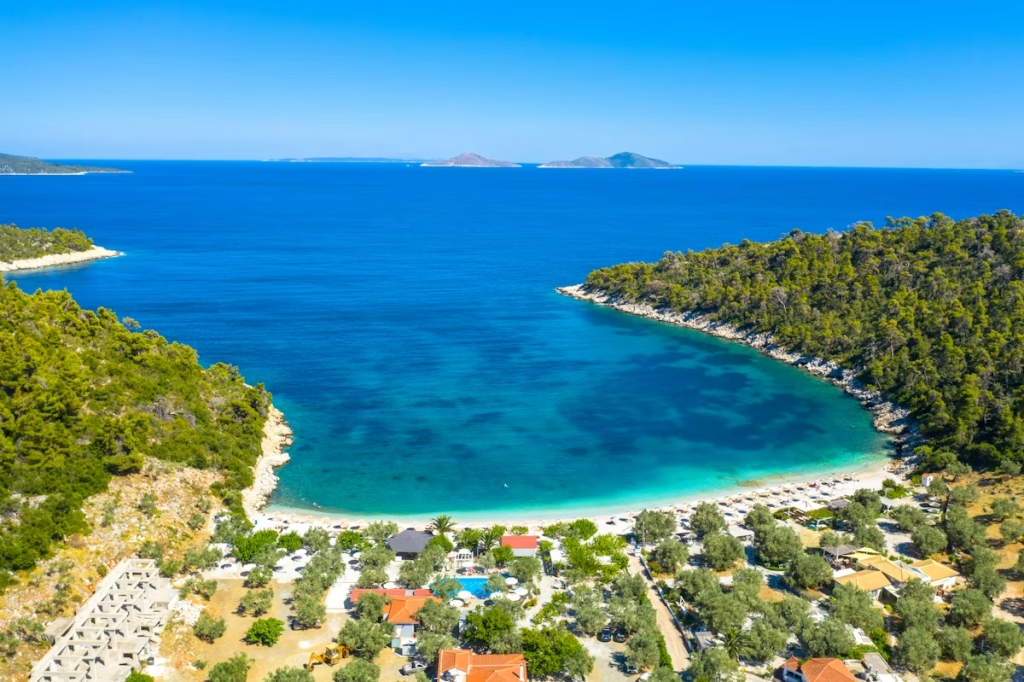
Spread across a luminous stretch of the Aegean, the National Marine Park of Alonnisos is Greece at its most quietly ambitious. Established in 1992, it is the country’s largest national park—and one of Europe’s most important marine protected areas—created to safeguard the endangered Mediterranean monk seal alongside rare seabirds and fragile underwater ecosystems. In summer, boats slip out from Alonnisos and neighbouring Skopelos, gliding over clear waters where the seabed is carpeted with posidonia seagrass, a vital oxygen producer for the Mediterranean. Sightings of the elusive monk seal are rare, but the journey itself is richly rewarding: dolphins arc through the waves, turtles drift below the surface, Eleonora’s falcons circle overhead, and, on lucky days, migrating whales pass through these protected waters—proof that conservation here is not just policy, but presence
Cairngorms National Park, Scotland
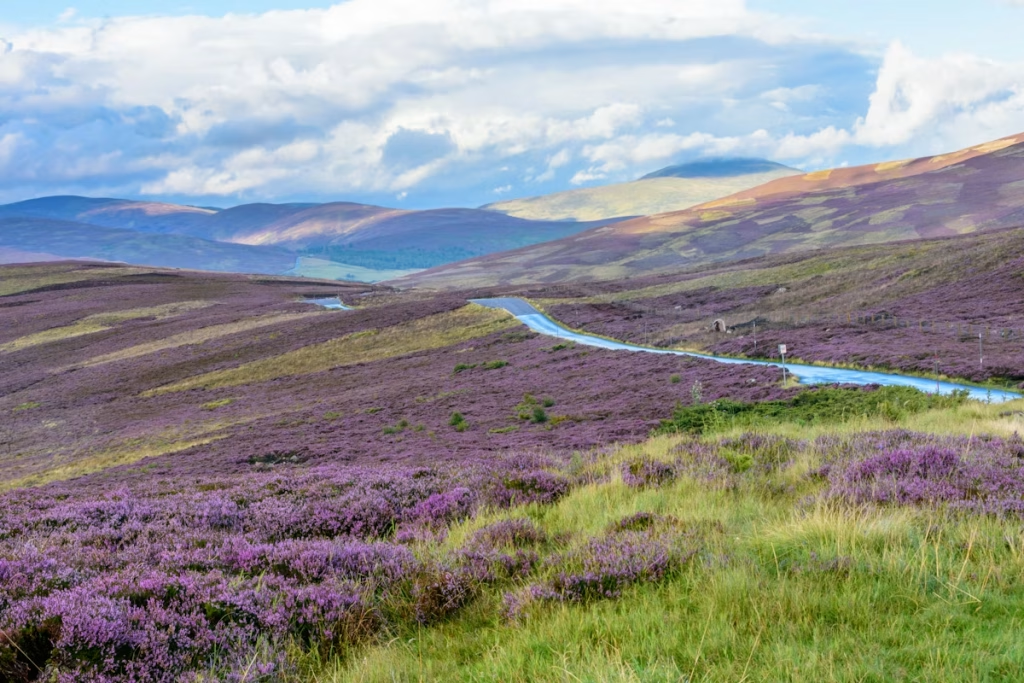
The Cairngorms capture the Scottish Highlands at their most expansive and expressive. Covering an area twice the size of England’s Lake District, the park is a mosaic of ancient Caledonian pine forests, broad glens, lochs, and wind-scoured peaks. It’s a landscape built for solitude—whether hiking summer trails, navigating snow-laced winters, or spotting the UK’s only free-ranging reindeer herd. Classic ascents like Cairn Gorm and Ben Macdui reward with far-reaching views, while lower trails through Rothiemurchus reveal red squirrels and capercaillie. When the weather turns, even royalty once retreated nearby—proof that the Cairngorms have long offered both refuge and grandeur.
NORTH AMERICA
Yellowstone National Park, Wyoming, Montana, and Idaho
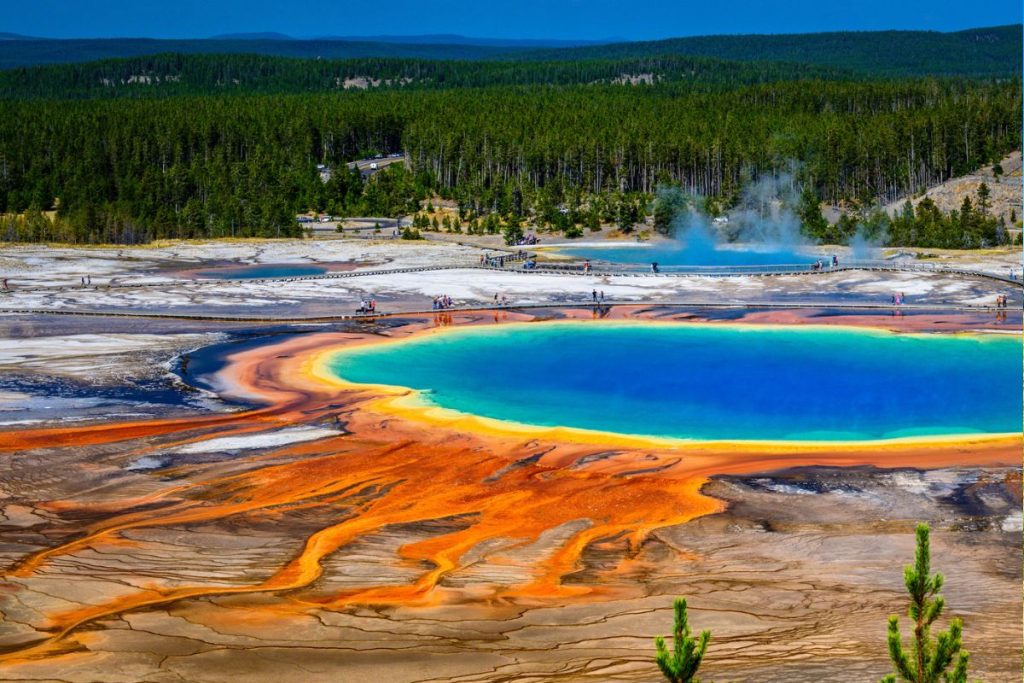
Spanning more than two million acres in Wyoming, Montana, and Idaho, the world’s first national park still feels quietly unmatched. Yellowstone is a living, breathing showcase of planetary forces—steaming geysers, technicolour hot springs, bubbling mudpots, and the hypnotic punctuality of Old Faithful. Spread across more than two million acres, the park is equally defined by its wildlife: bison roaming open plains, wolves moving through misty valleys, and grizzlies emerging at the edges of forests. Whether you pitch a tent beneath star-heavy skies or retreat to one of the park’s historic lodges, Yellowstone remains a masterclass in nature on a grand, untamed scale.
Denali National Park, Alaska
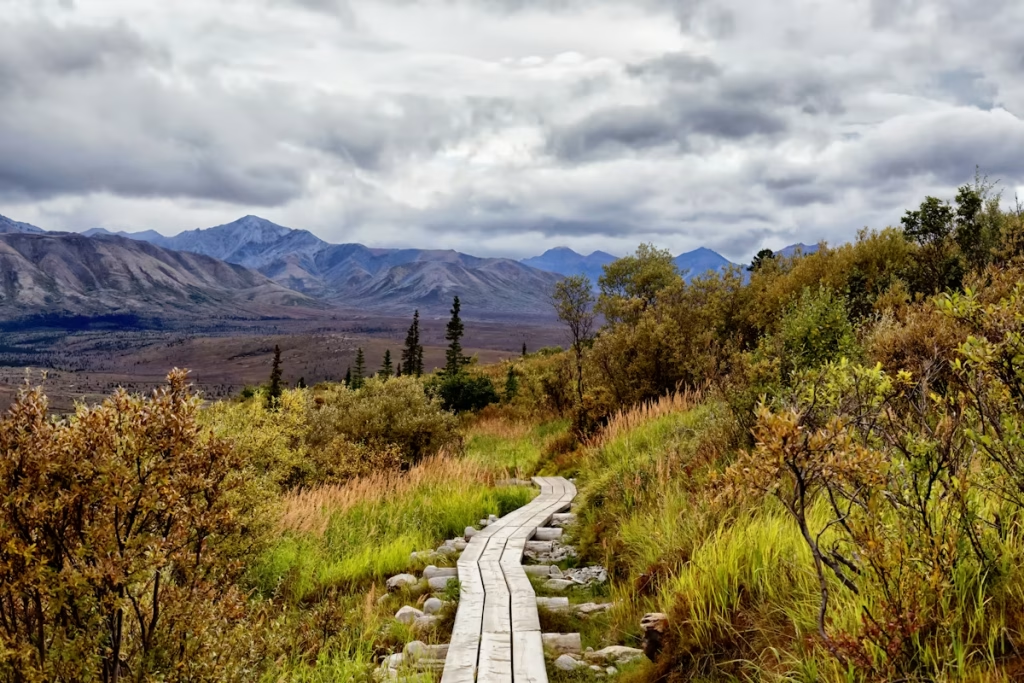
Denali is wilderness distilled. Six million acres of raw Alaskan terrain unfold along a single, slender road that feels more like a privilege than a convenience. Dominated by North America’s highest peak, the park delivers vast tundra, braided rivers, and wildlife encounters that feel startlingly intimate—caribou crossing the horizon, grizzlies ambling through open land. Come late summer and autumn, Denali’s skies often steal the show, offering one of the country’s most powerful stages for the aurora borealis.
Zion National Park, Utah
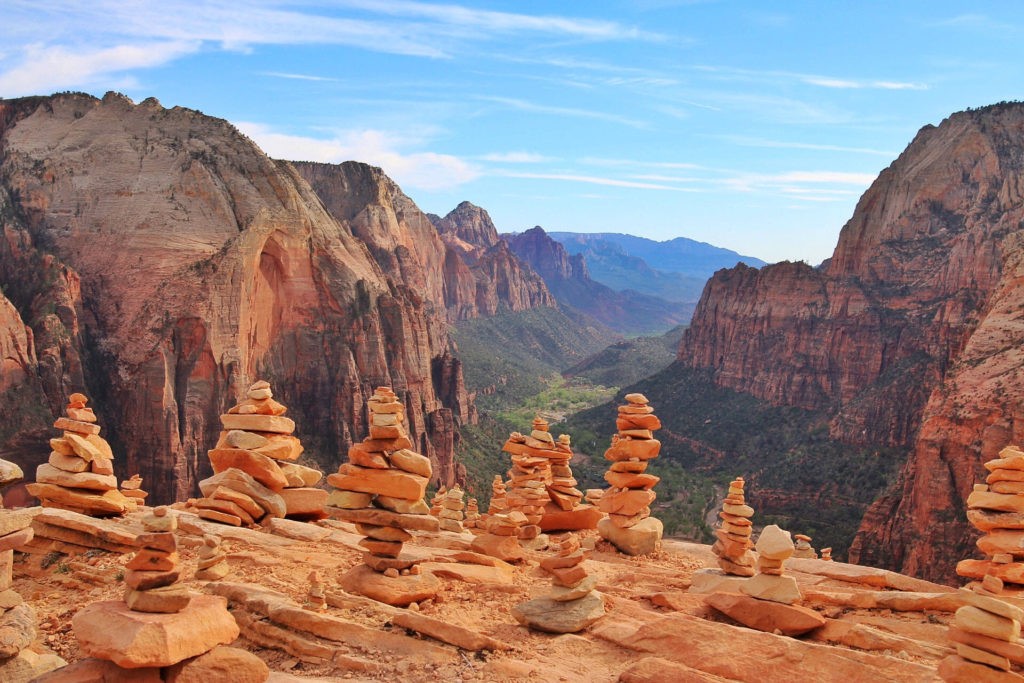
In southwest Utah, Zion rises in layers of flame-coloured sandstone, its sheer canyon walls sculpted by time and water into one of America’s most instantly recognisable landscapes. Zion Canyon is the park’s dramatic heart, home to iconic routes like Angels Landing and the Narrows, where hikes double as immersive experiences. While spring through autumn draws the crowds—managed efficiently by shuttle—those willing to explore beyond the main corridor or visit in quieter months will find a softer, more contemplative side to this desert masterpiece.
Joshua Tree National Park, California

Surreal and sculptural, Joshua Tree feels like a landscape imagined rather than formed. Set where the Mojave and Colorado deserts quietly overlap, the park’s spiky namesake trees rise among granite boulders and wide, sun-bleached plains, creating a terrain that feels both stark and strangely poetic. Days are best spent wandering scenic trails and slow drives; nights belong to the sky. Designated an International Dark Sky Park, Joshua Tree reveals a cosmos so clear and crowded with stars it turns stargazing into a main event.
White Sands National Park, New Mexico

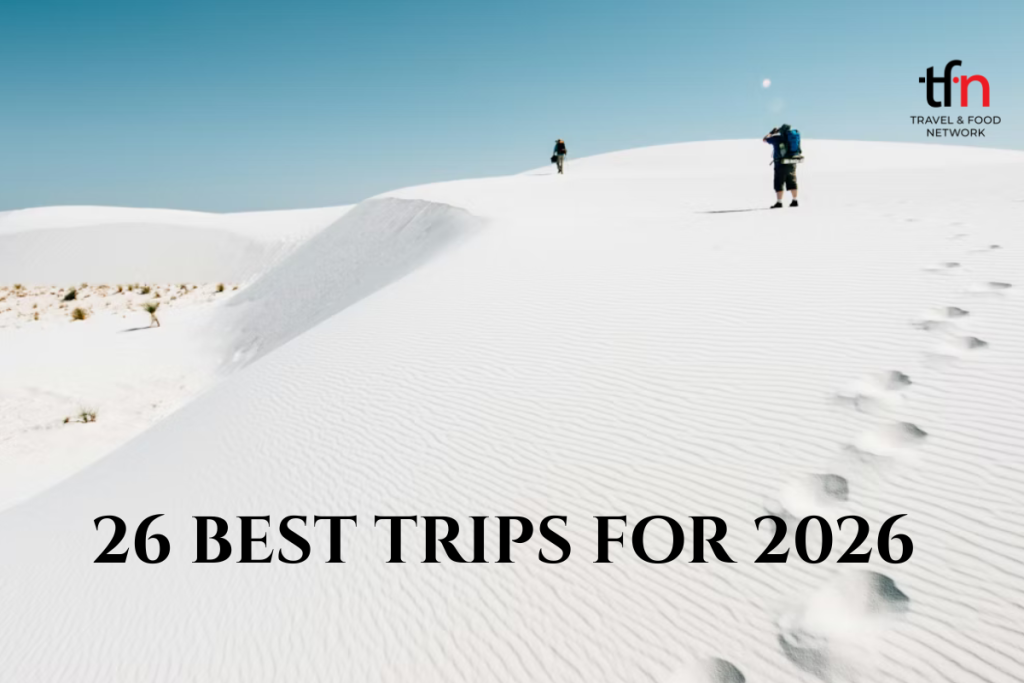
White Sands is a study in illusion—an endless expanse of snow-bright dunes set against the desert heat of southern New Mexico. Formed from ancient seas, the world’s largest gypsum dune field shimmers softly underfoot, remaining cool even at midday. Visitors glide along Dunes Drive, trace gentle crests on foot, or time their visit for a full moon, when the sands glow with an almost ethereal blue-white light. It’s a place where scale, silence, and light conspire to disorient—in the best possible way.
Banff National Park, Canada
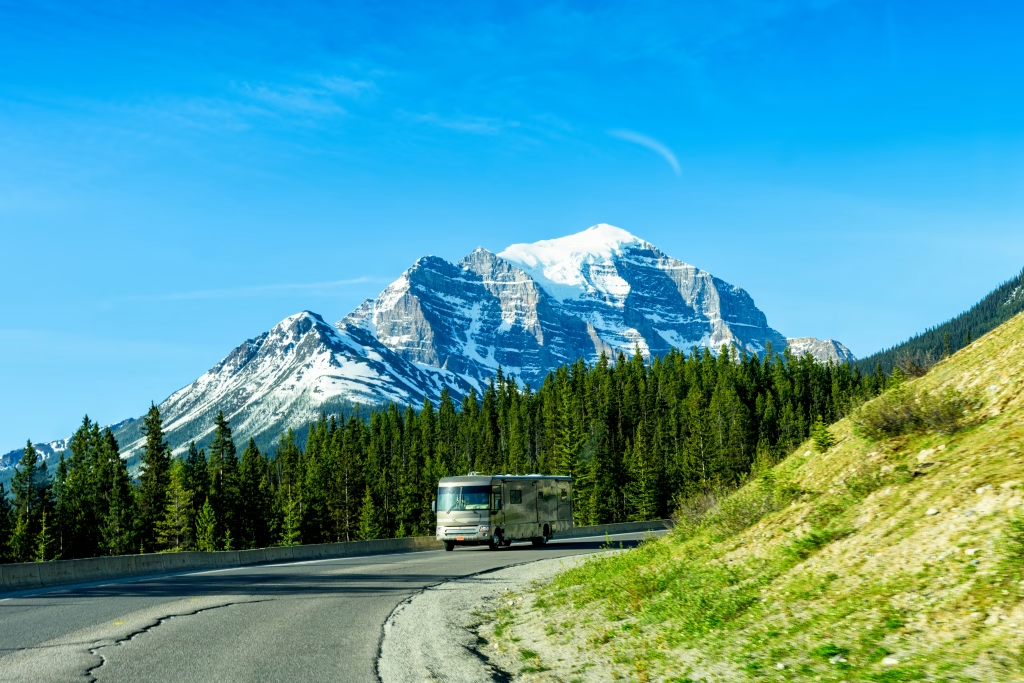
Banff is alpine grandeur at its most refined. Canada’s oldest national park unfolds in a cinematic sequence of turquoise glacial lakes, snow-draped peaks, and dense evergreen forests, all anchored by the Rocky Mountains. Just west of Calgary, the park balances wilderness with comfort—glaciers and cave systems sit alongside mountain towns, ski slopes, and historic lodges. It’s a landscape that delivers awe effortlessly, whether you’re standing at the edge of a lake or gazing up from a winding mountain road.
OCEANIA
Uluru–Kata Tjuta National Park, Australia
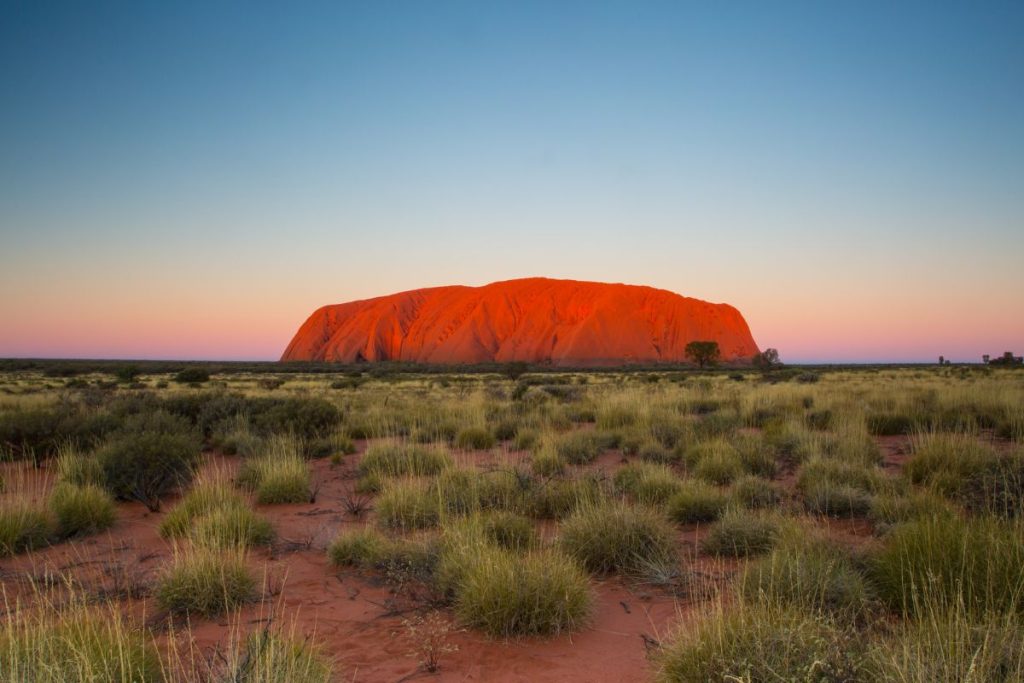
In Australia’s Red Centre, Uluru–Kata Tjuta is less a place than a presence. Jointly managed by the Anangu people and the national parks authority, this sacred landscape revolves around Uluru—a vast sandstone monolith that appears to rise organically from the desert floor. The rock’s power is felt most strongly at the edges of the day, when sunrise and sunset set its surface ablaze in shifting tones of rust and fire. Visitors no longer climb Uluru, a decision rooted in respect for Anangu culture and safety, allowing the experience here to centre on walking its base, listening to ancient stories, and understanding a landscape where spirituality, geology, and stewardship are inseparable.
Fiordland National Park, New Zealand
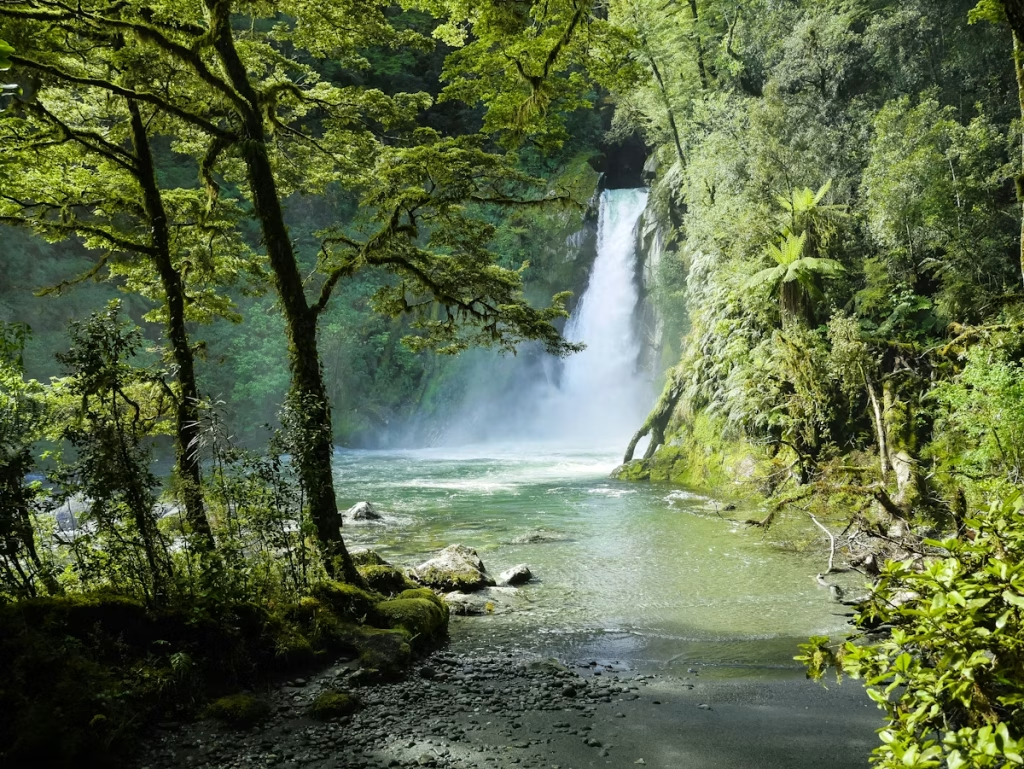
At the southwestern edge of New Zealand’s South Island, Fiordland feels profoundly elemental—a world carved by ice and rain into deep fjords, sheer cliffs, and dark, reflective waters. Milford Sound and its lesser-known counterparts are best explored by boat or kayak, where waterfalls tumble directly into the sea and dolphins, seals, and penguins surface quietly alongside. On land, three of New Zealand’s famed Great Walks thread through ancient rainforest and past crystalline lakes, revealing granite peaks softened by constant mist. It’s a place that rewards patience and perspective—where nature unfolds slowly, powerfully, and without spectacle for spectacle’s sake.
SOUTH AMERICA
Torres del Paine National Park, Chile
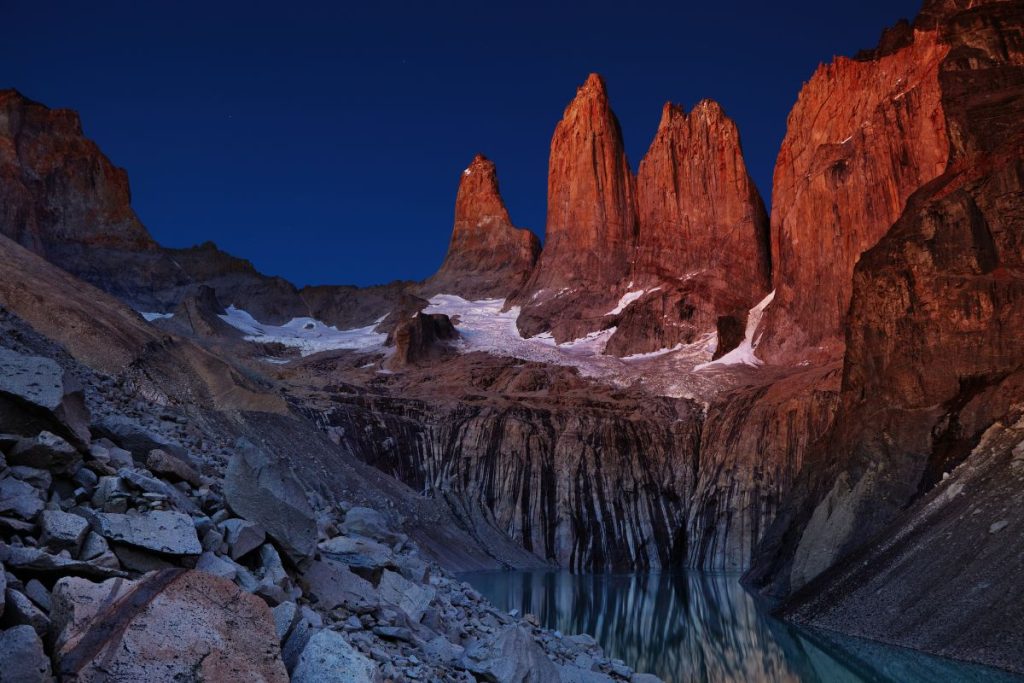
At the far edge of Chilean Patagonia, Torres del Paine feels unapologetically elemental. The park’s iconic granite towers rise sharply from a landscape shaped by ice, wind, and water—glaciers calving into steel-blue lakes, grasslands rippling beneath vast skies, and forests sheltering guanacos, pumas, and soaring Andean condors. Whether kayaking across the luminous waters of Lake Grey or hiking beneath jagged peaks, this UNESCO-designated biosphere reserve delivers Patagonia at its most raw and visually arresting.
Manu National Park, Peru
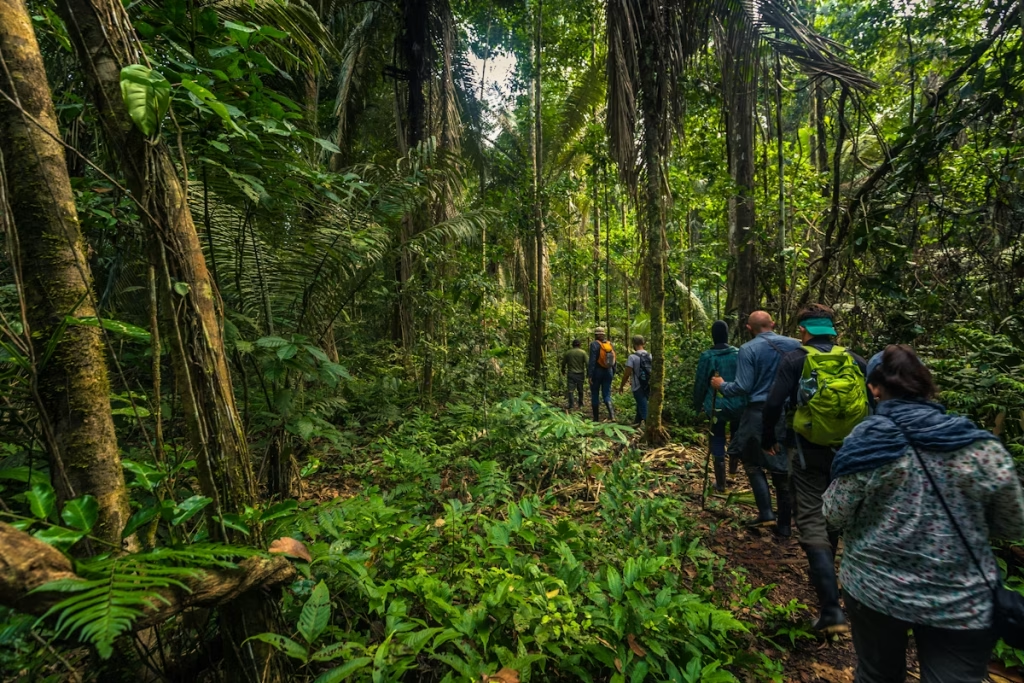
Deep in Peru’s Amazon Basin, Manu is wilderness in its purest, most protected form. Spanning nearly 8,000 square miles, this UNESCO Biosphere Reserve and World Heritage Site is defined by restraint—access is limited, entry requires permits, and exploration happens only with certified guides. The reward is extraordinary biodiversity: macaws flashing over oxbow lakes, troops of monkeys moving through the canopy, and an ever-shifting chorus of birdlife. At places like Cocha Salvador, days unfold quietly with guided walks, canoe excursions, and wildlife encounters that feel intimate rather than staged—an experience less about ticking species off a list and more about immersion in one of Earth’s richest ecosystems.
Related Coverage
Five Epic U.S. National Parks To Visit This Year
Explore Utah’s Mighty 5® and What Lies in Between