Home » Food and Drink » Seattle Coffee Guide: Iconic Cafés and Legendary Coffee Culture Defining the Emerald City
Seattle Coffee Guide: Iconic Cafés and Legendary Coffee Culture Defining the Emerald City
Ritika Basu
Facebook
Twitter
LinkedIn
WhatsApp
Email
A coffee lover’s guide to Seattle — exploring the historic cafés, iconic espresso bars and neighbourhood coffee culture that transformed the Emerald City into one of the world’s great coffee capitals.
In Seattle, coffee is not simply consumed — it is woven into the rhythm of everyday life. Long before most of America embraced espresso bars, single-origin beans and pour-over rituals, Seattle had already transformed coffee into a cultural identity, one that continues to evolve neighbourhood by neighbourhood, cup by cup. Today, the city’s coffee story stretches far beyond the familiar green siren of Starbucks, unfolding instead through tiny walk-up espresso windows, immigrant communities preserving centuries-old traditions, and waterfront cafés perfumed with the aroma of freshly roasted beans drifting in from Elliott Bay.
Seattle’s relationship with coffee dates back more than a century, when traders and roasters first arrived through the port city carrying European café traditions with them. By the late 20th century, Seattle had become the birthplace of America’s modern coffee movement, pioneering everything from espresso culture and premium beans to the craft-focused “third-wave” coffee movement centred on sourcing and roasting.
But Seattle’s coffee culture is best understood not through theory, but through the cafés — and the people — that shaped it.
The Global Origin Story: Starbucks at Pike Place Market
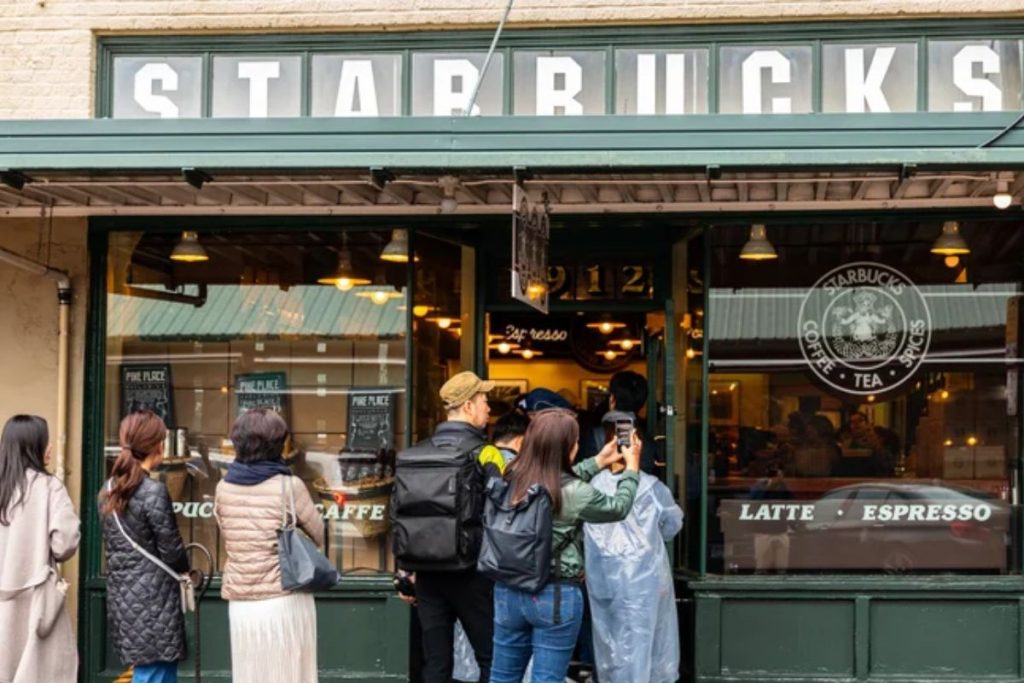
Starbucks at Pike Place. Photo: Shutterstock
Every coffee journey in Seattle inevitably begins at Pike Place Market, where tourists queue patiently outside the famous Starbucks at 1912 Pike Place.
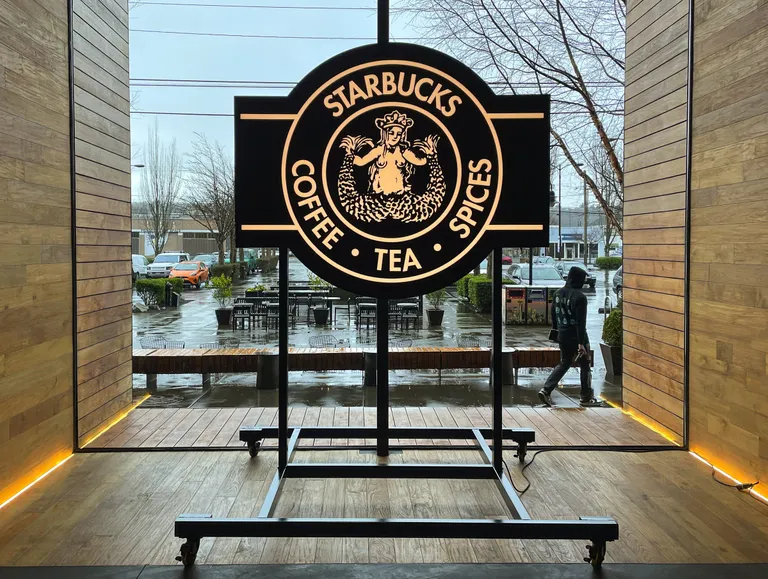
Despite its global fame, the store feels remarkably restrained compared to the sprawling Starbucks Reserve Roasteries found elsewhere. The original brown siren logo still hangs outside. The interiors remain intentionally compact, preserving much of the company’s early 1970s spirit. Even the menu feels simpler and more nostalgic, focused largely on classic coffee drinks rather than seasonal spectacle. And that is precisely the point.
What many visitors do not realise is that this is not technically Starbucks’ original location, but rather its oldest surviving one. The first Starbucks opened in 1971 on Western Avenue before relocating to Pike Place Market in 1976. Founders Jerry Baldwin, Zev Siegl and Gordon Bowker were not initially trying to build a café empire. Inspired by Alfred Peet of California’s Peet’s Coffee, they focused on selling whole coffee beans, loose tea and coffee-making equipment rather than serving espresso drinks. The company itself was famously named after Starbuck, the first mate in Herman Melville’s Moby-Dick — a literary nod reflecting Seattle’s maritime heritage and the romance of old coffee trade routes.
The original Starbucks logo is seen in the hallway of Starbucks headquarters. Photo: Ken Lambert/The Seattle Times
At the time, the idea of operating a coffee bar serving espresso and cappuccino was still relatively revolutionary in America. That transformation arrived later, after Howard Schultz joined the company and returned inspired from a trip to Italy, where cafés functioned as social spaces as much as coffee counters. His vision would eventually reshape not only Starbucks, but coffee culture across the world. Today, the iconic green-and-white siren appears across more than 40,000 Starbucks stores worldwide, yet the soul of the brand remains firmly rooted here in rainy, eccentric Seattle, where the journey first began.
Photo: Starbucks/Facebook
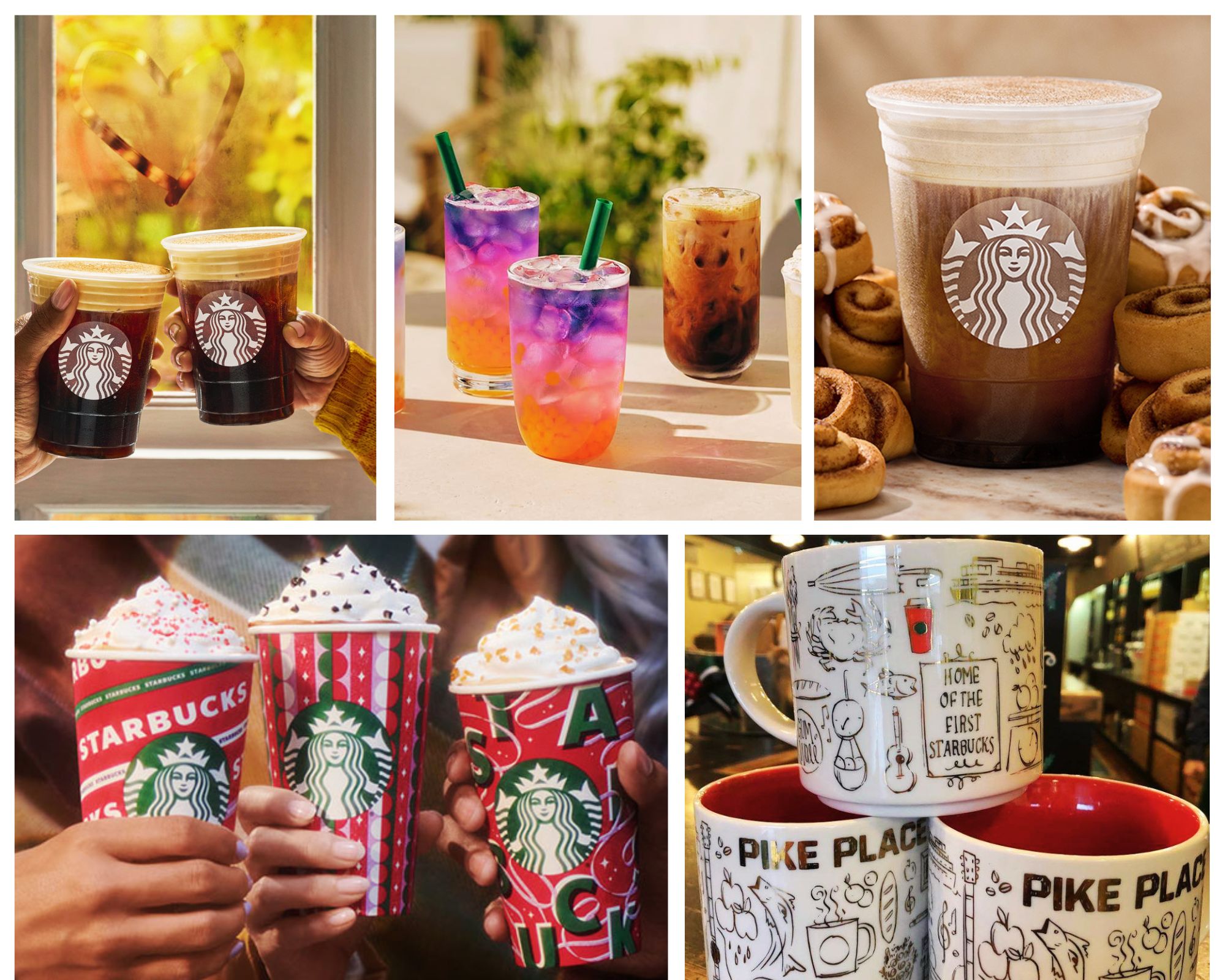
Today, the Pike Place store has become something of a coffee pilgrimage site. Visitors line up before sunrise to photograph the storefront, sip coffee beneath the iconic vintage siren logo, and collect exclusive merchandise such as the “Been There” Pike Place mugs, available only at this location. The narrow shop, often packed shoulder-to-shoulder with travellers from around the world, feels less like a modern café and more like a preserved piece of coffee history.
The Local Pioneer: Monorail Espresso and Seattle’s Street-Corner Coffee Revolution
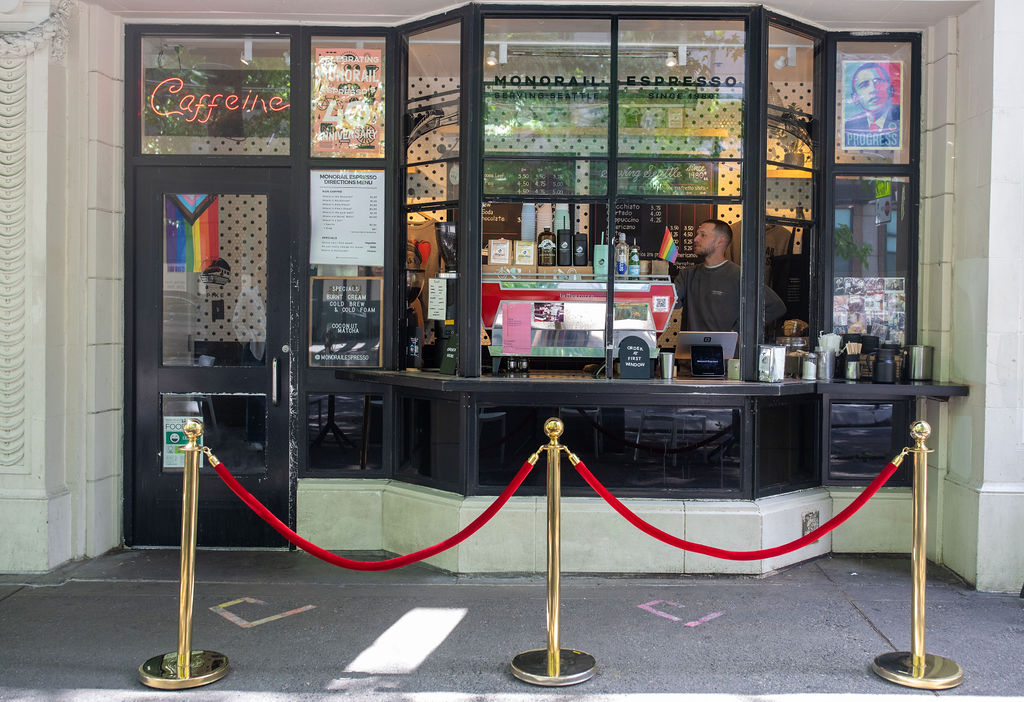
Main location on Pike Street. Photo: Monorail Espresso
If Starbucks represents Seattle’s global coffee influence, Monorail Espresso represents its fiercely independent soul.
Monorail Espresso has been part of Seattle’s coffee story since 1980, when owners Chuck and Susie Beek brought what is widely recognised as the world’s first espresso cart to the city. Set up near the entrance to the Seattle Monorail — inspiring the café’s now-iconic name — the tiny espresso stand quickly became a favourite among locals looking for a fast, expertly made coffee in downtown Seattle.
Over the decades, Monorail became deeply woven into the rhythm of the city. Its original walk-up window on Pike Street developed a loyal following and, during Seattle’s coffee-fuelled 1990s and early 2000s boom years, became a gathering spot for bike messengers, musicians, and downtown regulars. In 2012, the business was sold to barista Aimee Peck, who has carefully preserved its fiercely local spirit while steering it into a new era.
In an exclusive chat with TFN, Aimee Peck, Owner and Manager, Monorail Espresso, reflects on the legacy and philosophy behind one of Seattle’s most enduring coffee institutions.
Monorail Espresso began as the world’s first espresso cart in 1980. How did that small idea grow into one of Seattle’s most beloved coffee institutions?
Aimee Peck, Owner and Manager, Monorail Espresso .Photo: Monorail Espresso
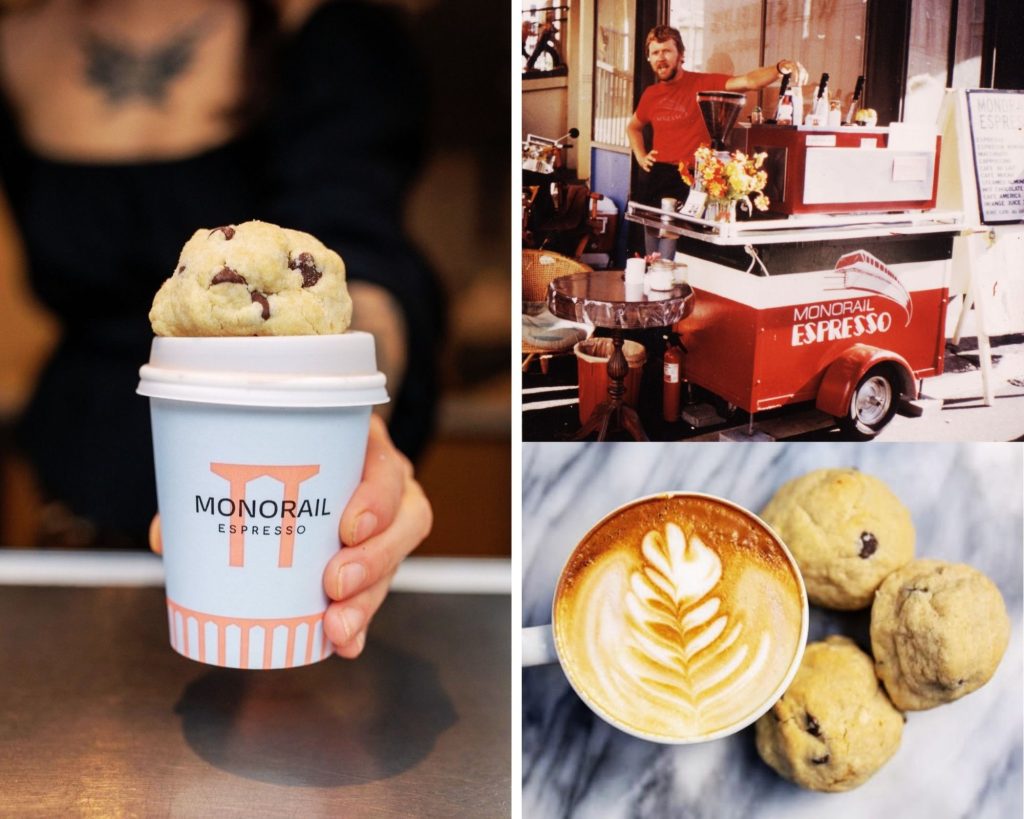
“Monorail Espresso’s story actually predates its 1980 milestone. The cart’s inception was in 1977, built by Kent Bakke and John Blackwell. It had a fascinating life before landing under the Monorail; it even had a stint with Jerilyn Brusseau (the creator of the original Cinnabon recipe), who sold her rolls from it at the Edmonds Arts Festival. It landed with Seattle coffee pioneer Craig Donarum aka ‘Cappuccino Craig’ in 1978 under the Monorail, who eventually sold it to Chuck Beek in 1980. Monorail still has that original cart today, which we pull out for special events.
Kent Bakke’s inspiration for the first espresso cart came from the train kiosks of Italy. He went to the Boeing surplus yard and converted an old utility cart into an espresso cart. Italian espresso culture has always been based on the idea of grabbing a quick, perfect shot at your local espresso bar. Monorail adopted that philosophy, and we’ve never abandoned it. We moved from the cart to a small footprint walk-up window model in the mid 90’s. By focusing on the walk-up model, the perfect pull of espresso, and developing meaningful relationships with our customers, we’ve built four decades of consistency and a level of trust with our community that simply can’t be manufactured.”
Photo: Monorail Espresso/Facebook
Seattle’s coffee scene has evolved enormously since the 1980s. How has Monorail Espresso stayed true to its roots while adapting to the city’s changing coffee culture?
“The coffee scene has certainly become more crowded and technical. We’ve evolved by updating our equipment and refining our techniques to meet modern specialty standards, but we’ve done so without chasing fads. Our philosophy is simple: sticking diligently to the core principles of quality coffee and great customer service. But staying true to our roots is about more than just the coffee; it’s about being a small business our customers can rely on. Seattle is flourishing now but through recessions, COVID, and the various highs and lows of our city, Monorail has remained a reassuring constant. We didn’t give up on Seattle when other businesses closed their doors. Our neon ‘Caffeine’ sign has been a beacon of consistency for our customers in an ever-changing urban landscape.”
Monorail Espresso
For a traveller visiting Seattle for the first time, what should they order at Monorail Espresso to experience the café the way locals do?
“I often suggest travelers order their ‘usual’ first because it’s the best way to benchmark our quality against what they drink at home. But for the true Monorail experience, order a traditional Macchiato or a straight Espresso; it’s the purest nod to our Italian roots. If you want something uniquely Monorail go for the Burnt Cream Latte. It’s our signature, inspired by the caramelized sugar of a crème brûlée.
And you can’t leave the window without a Chubbie. They are our famous, house-made chocolate chip cookies, and they’ve earned a cult following for a reason.”
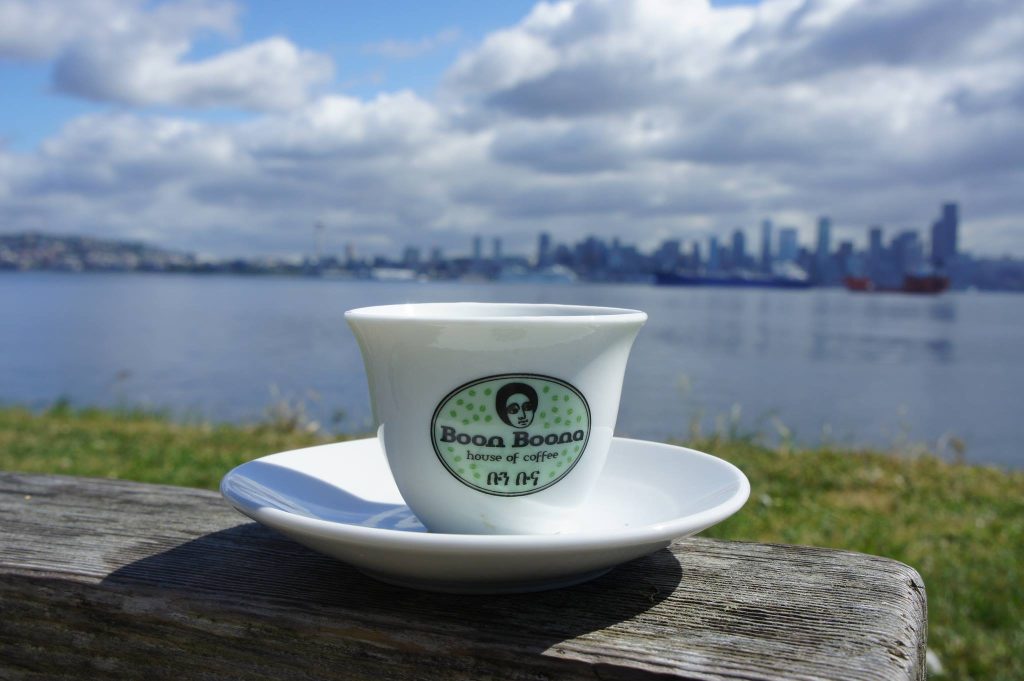
The Global Influence: Boon Boona Coffee
Photo: Boon Boona Coffee/Facebook
Seattle’s coffee culture continues to evolve through the people and communities reshaping it today. Few cafés embody that evolution more beautifully than Boon Boona Coffee.
Founded by Seattle native Efrem Fesaha, who grew up in the city as part of Seattle’s East African diaspora, Boon Boona reflects how global influences continue to redefine the Emerald City’s coffee identity. Inspired by the coffee traditions of his Eritrean heritage, Fesaha set out to create a café that felt deeply personal while reconnecting Seattle to coffee’s African roots.
At Boon Boona, coffee is not simply served — it is experienced through ritual, storytelling and community. All the beans sourced and sold by the company come exclusively from small co-operatives across East Africa, creating a direct connection between Seattle’s modern café culture and the regions where coffee first originated.
Photo: Boon Boona Coffee/Facebook
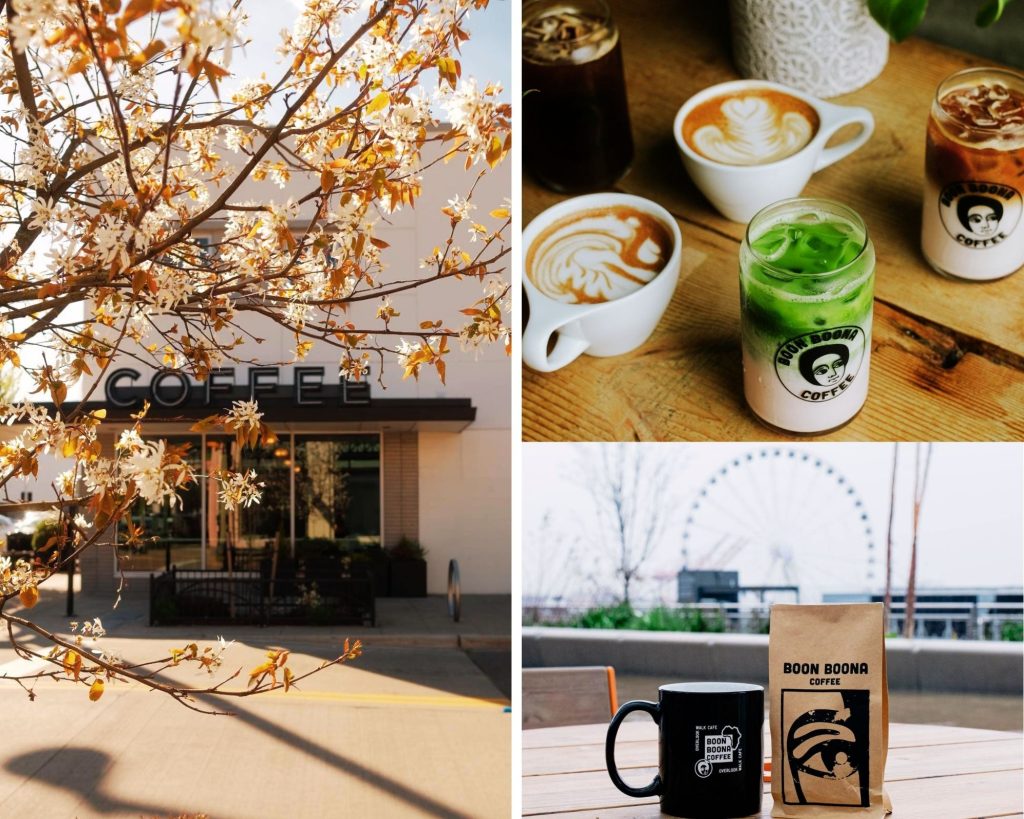
The company has also become part of Seattle’s changing urban landscape. Its recently opened café at the Waterfront Overlook now sits within the city’s ambitious waterfront revitalisation project connecting the piers to Pike Place Market — positioning Boon Boona at the crossroads of old Seattle and its emerging global future.
In an exclusive chat with TFN, Efrem Fesaha, Founder and CEO, Boon Boona Coffee, reflects on the traditions and experiences that continue to shape the café.
Boon Boona Coffee draws inspiration from Eritrean coffee traditions. How did your personal and family background shape the idea behind the café?
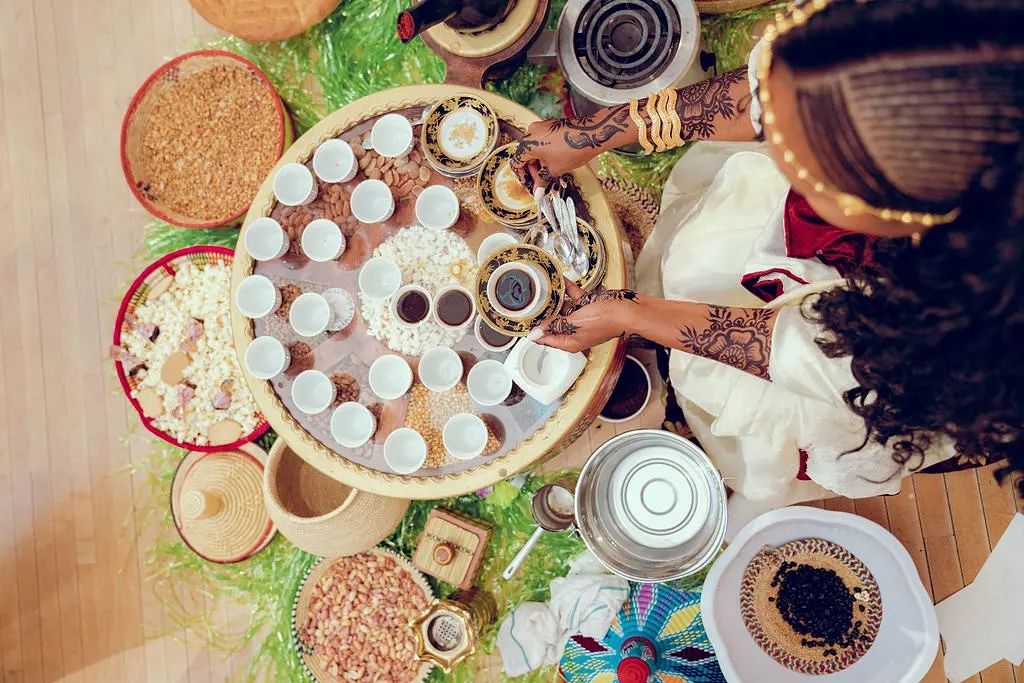
“My childhood, similar to that of many Eritreans and Ethiopians, the traditional coffee ceremony was a daily part of our experience. The coffee tradition of roasting coffee, brewing in a jebena (clay pot), and drinking the delicious coffee with family and friends provided an opportunity to gather and commune together.”
Efrem Fesaha, Founder and CEO, Boon Boona Coffee
Seattle is famous for coffee, yet Boon Boona brings a different perspective rooted in East African traditions. What makes that experience unique for visitors?
“At Boon Boona, we introduce visitors to coffee through the traditions of East Africa, where coffee has always been about community and hospitality. In our cafés, we share that heritage through experiences like the Ethiopian coffee ceremony and by highlighting exceptional coffees sourced from across the African continent. We pair those traditions with a modern specialty coffee approach, creating a warm space with natural wood and vibrant African art where guests can connect with both the culture and the craft behind the cup.”
For travellers exploring Seattle’s coffee culture, what drink or experience at Boon Boona best captures the spirit of the café?
“I would always recommend the traditional ceremony, but our single origin espresso and seasonal drinks made in-house are always an adventure of flavor.”
The traditional East African coffee ceremony. Photo: Boon Boona Coffee/Facebook
In many ways, Boon Boona represents the newest chapter in Seattle’s coffee evolution — one that looks beyond corporate coffee culture and reconnects the city to the global traditions, communities and histories that made coffee possible in the first place.
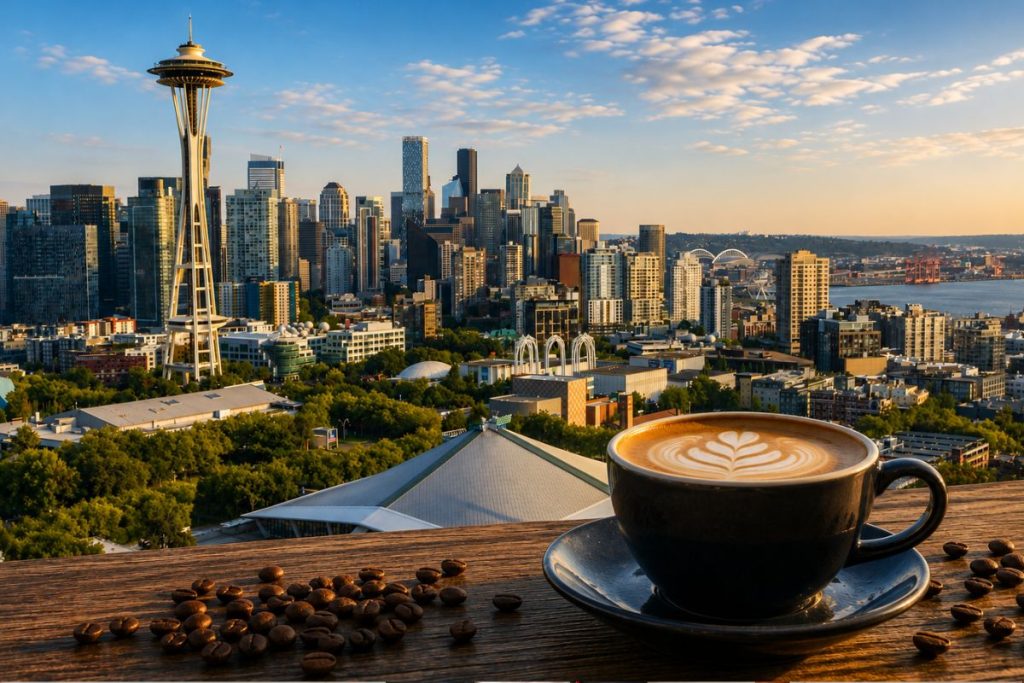
Seattle’s coffee culture is not a single destination — it is a journey through the city itself, with each neighbourhood offering a different expression of the same belief: that coffee deserves to be made well, served honestly and savoured slowly. The traveller who comes to Seattle for the famous landmarks — the Space Needle, the Pike Place fish market or the view from Kerry Park — and leaves without following the coffee is missing the city’s deepest story. Seattle did not become one of the world’s great coffee capitals by accident, nor through the efforts of a single green mermaid alone. It became what it is through decades of obsession from roasters, baristas, entrepreneurs and locals who refused to settle for the mediocre, and who understood that a truly great cup of coffee is, at its heart, a craft perfected over time.
Come thirsty. Drink slowly. Let Seattle reveal itself one cup at a time.
For latest travel news and updates, food and drink journeys, restaurant features, and more, like us on Facebook or follow us on Instagram. Read more on Travel and Food Network
A New Yorker at heart, an unapologetic anglophile, national parks explorer and former head of National Geographic publishing in India, Ritika is the Global Editor for Travel and Food Network and leads all journalism across platforms, including news, digital, videos, and social media. She writes features focused on narrative storytelling, industry trends, destinations, culinary travel, and how-to advice and is an advocate for sustainable travel. You can follow her on Instagram @newyorkeratheart