Home » News » Inside Sri Lanka’s Tourism Surge: Cinnamon Hotels CEO on India Growth and City of Dreams Colombo
Inside Sri Lanka’s Tourism Surge: Cinnamon Hotels CEO on India Growth and City of Dreams Colombo
Editor's Desk
Facebook
Twitter
LinkedIn
WhatsApp
Email
From record arrivals to new luxury developments, a look at the forces reshaping travel to Sri Lanka.
At OTM 2026, amid a swirl of global tourism boards and marquee hotel brands,Travel and Food Network caught up with Mr. Hishan Singhawansa, CEO of Cinnamon Hotels & Resorts, at a moment of unmistakable momentum for both the brand and Sri Lanka. A telling detail of that momentum lies in how closely the group is tracking the evolving Indian traveller. Cinnamon has recently introduced UPI payments across its portfolio in Sri Lanka and the Maldives, allowing guests to use their existing UPI apps seamlessly while abroad. By removing the friction of currency exchange, cash handling and international cards, the move feels both practical and quietly progressive — a small but thoughtful gesture that reflects the brand’s growing emphasis on intuitive, guest-first travel design.
India Takes the Lead in Sri Lanka’s Breakout Tourism Year
“Tourist arrivals for the year — that’s the best year we’ve had,” Mr. Singhawansa says, with the quiet assurance of someone who has seen the data. “And for us as a brand, we’ve also had our best year.”
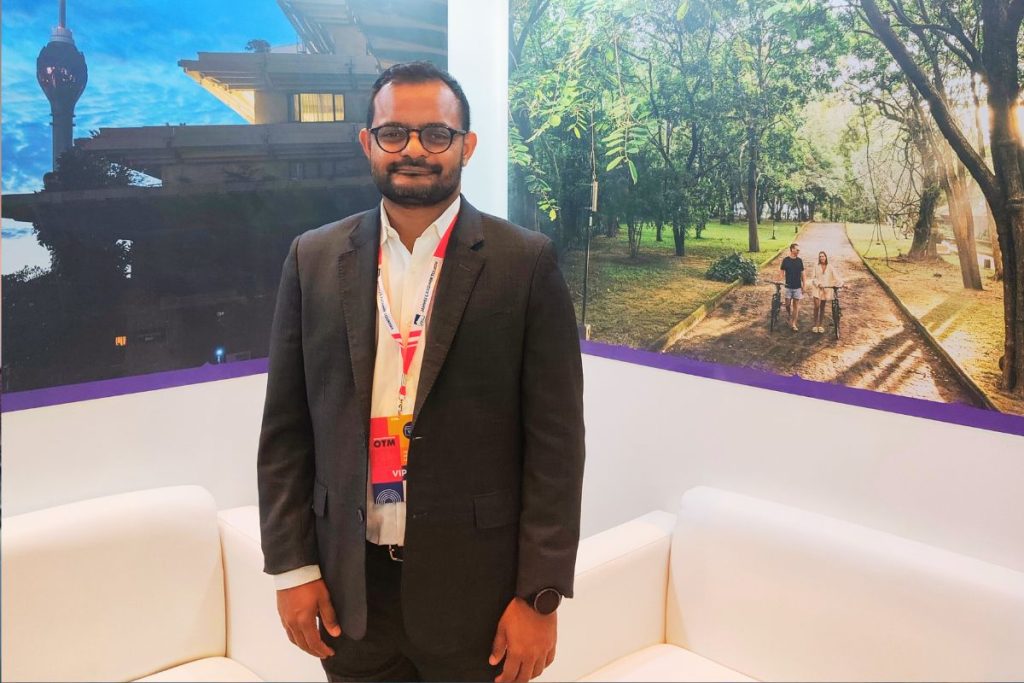
Hishan Singhawansa, CEO of Cinnamon Hotels & Resorts
The numbers tell the story. Sri Lanka recorded 2.3 million arrivals — and 500,000 of them came from India.
For Sri Lanka, India is the largest source market. For Cinnamon, it is no different. Arrivals from India have grown 25–30% year-on-year, mirroring the brand’s own growth trajectory.
While traditional markets such as the UK remain strong — followed by Russia, Germany and China — the recovery pattern is telling. Chinese arrivals have yet to reach pre-pandemic levels. India, on the other hand, has surged ahead of almost every global market.
The Game Changer: City of Dreams Sri Lanka
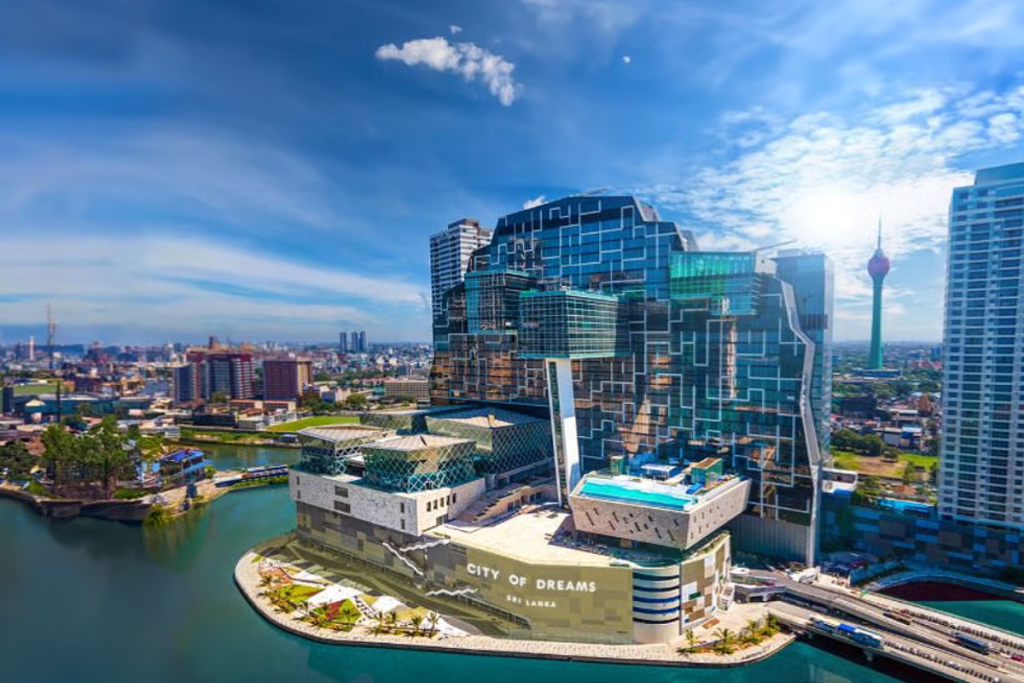
In August, Sri Lanka quietly completed what Mr. Singhawansa describes as a transformative milestone: the full opening of City of Dreams Sri Lanka. The hotel officially opened in October 2024, while the larger integrated development — including the casino, gaming facility and mall — was completed earlier in August. Since then, growth from India has accelerated — particularly in meetings, incentives and conference travel (MICE).
City of Dreams is not positioned as just another hotel complex. It is South Asia’s only fully integrated resort — a project developed in partnership with Melco International, one of the world’s largest gaming operators, listed on NASDAQ and headquartered in Macau. Melco operates the gaming facility, bringing global expertise and scale.
When the conversation turns to how the project stacks up globally, Mr. Singhawansa offers a familiarcomparison: a mini Marina Bay Sands. The reference is deliberate — but so is the difference. Where Singapore comes with visas and planning, Sri Lanka feels easy and immediate, especially for Indian travellers. Add the country’s newly activated UPI payments, which allow guests to pay using the apps they already rely on, and the appeal becomes even more obvious — familiar, frictionless, and close to home.
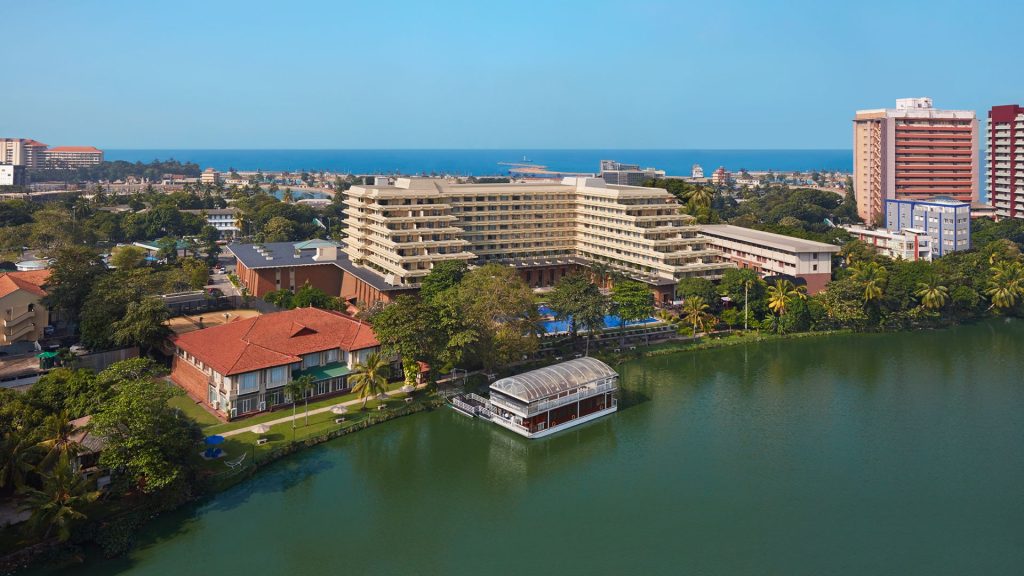
Photo: Cinnamon Lakeside Colombo
Beyond One Property: A 17-Hotel Footprint
With 17 properties across Sri Lanka and the Maldives, Cinnamon’s ambition is not limited to Colombo.
But Mr. Singhawansa is clear about positioning. “There’s no point in me just talking about Cinnamon,” he says. “I talk about Cinnamon with Sri Lanka — and the story of Sri Lanka.” As the country’s largest hotel brand — and its biggest private investor in hospitality — Cinnamon sees itself as a steward of the destination.
The strategy in India reflects that commitment:
Dedicated global sales officers based in Mumbai, Delhi, Bangalore and Chennai
Active partnerships with trade and travel companies
Strong online marketing investments
Destination-led storytelling, not property-led advertising
The Philosophy: Travel as Connection
Mr. Singhawansa moves easily from business metrics to purpose. “Why do you travel?” he asks rhetorically. “You travel to make a connection — with people, with the destination, with the food, with the culture — so that you can connect with yourself.” That belief underpins the brand’s experience design.
Cinnamon operates properties:
In the middle of national parks
Inside nature reserves
Along coral-rich Maldivian reefs
In Sri Lanka’s north
Across beaches, tea plantations, and cultural heartlands
They work closely with local communities — batik artisans, craft sellers, environmental stakeholders — weaving authenticity into the guest experience. “We want to enable that connection. We’re not saying we do it 100%, but that is our purpose.” It’s a quietly powerful positioning: not luxury as spectacle, but luxury as immersion.
Sri Lanka: Compact, Diverse, Effortless
One of Sri Lanka’s most compelling advantages, Mr. Singhawansa believes, is its scale. “It’s not a monotonous one-destination country,” he says. “You have beaches, Colombo city life, Kandy’s culture, hill country and tea plantations, wildlife and nature. And everything is within two to three hours of each other.”
Unlike destinations where internal flights are mandatory, Sri Lanka’s compact geography allows travellers to move fluidly between experiences — beaches one day, tea estates the next.
Weekend travel is entirely viable. So is a longer, seven-to-ten-day itinerary — something increasingly visible among Indian travellers, many of whom now treat Sri Lanka as a wellness-driven “healing holiday. Add cultural familiarity, culinary comfort and relative affordability, and the appeal becomes layered rather than singular.
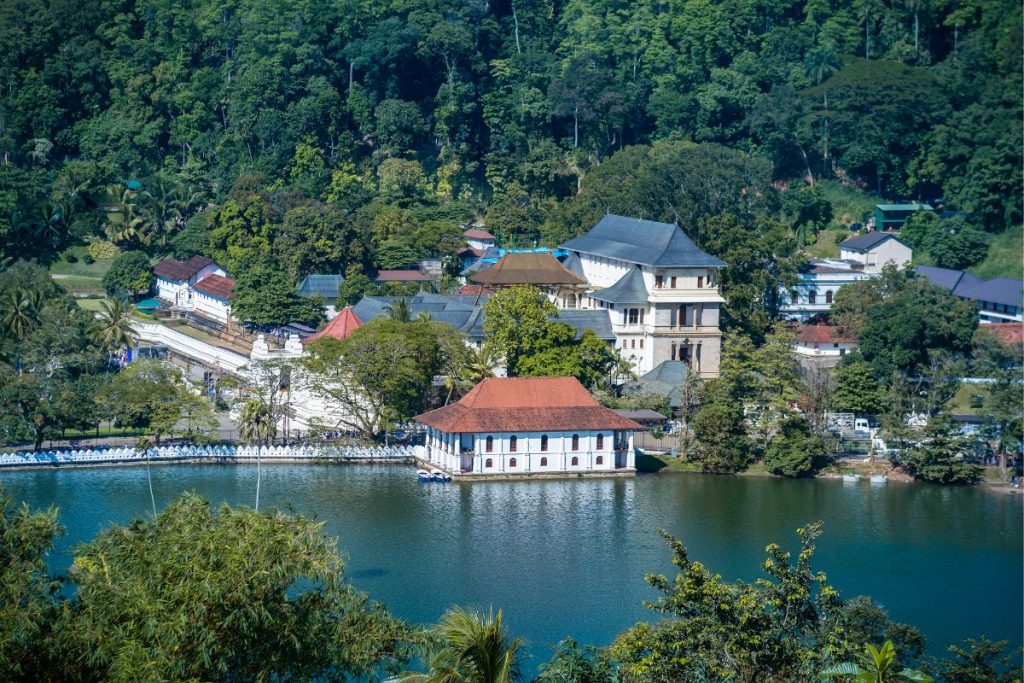
Kandy, Sri Lanka
The Message Going Forward
For Cinnamon, two messages are central:
City of Dreams Sri Lanka is a major new integrated resort in South Asia.
Sri Lanka is diverse, accessible and ready.
With India firmly established as the top source market — contributing 500,000 of 2.3 million arrivals — the brand is doubling down on engagement, infrastructure and storytelling.
“We believe every Indian who comes to Sri Lanka loves it,” Mr. Singhawansa says. “And if you fall in love with Sri Lanka, you can fall in love with it through Cinnamon.” In a year of record-breaking arrivals and renewed global attention, that confidence feels less like optimism — and more like inevitability.
For latest travel news and updates, food and drink journeys, restaurant features, and more, like us on Facebook or follow us on Instagram. Read more on Travel and Food Network