Home » News » Sarawak Tourism Sets Sights on India with Culture, Adventure and Nature-Led Tourism Push
Sarawak Tourism Sets Sights on India with Culture, Adventure and Nature-Led Tourism Push
Ritika Basu
Facebook
Twitter
LinkedIn
WhatsApp
Email
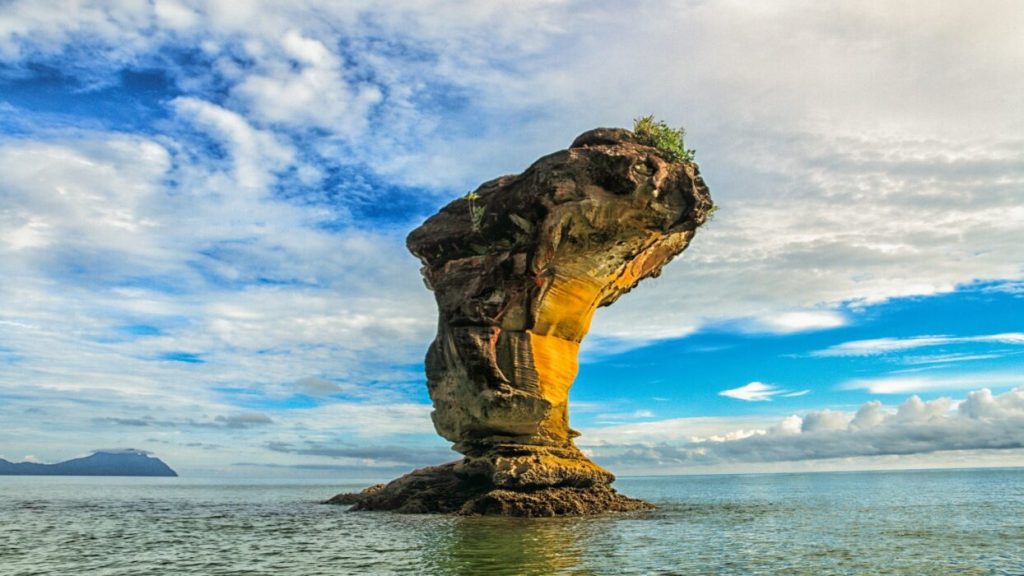
Bako National Park. Photo: iStock
Sarawak strengthens its India tourism strategy at OTM 2026, highlighting culture, adventure and nature experiences ahead of the Visit Malaysia 2026 campaign.
Endowed with vast natural wealth and a long-standing reputation for stability, Sarawak is crafting a future that looks beyond postcard tourism. Its evolving vision connects travel with wider economic aspirations — from sustainable energy and conservation-driven development to emerging sectors like medical tourism.
At the heart of this shift lies a delicate balancing act. As Sarawak embraces a story built on moderation, diversity, and cultural harmony, its tourism leadership is positioning the state as a compelling example of how emerging destinations can pursue growth without eroding the ecosystems and identities that define them.
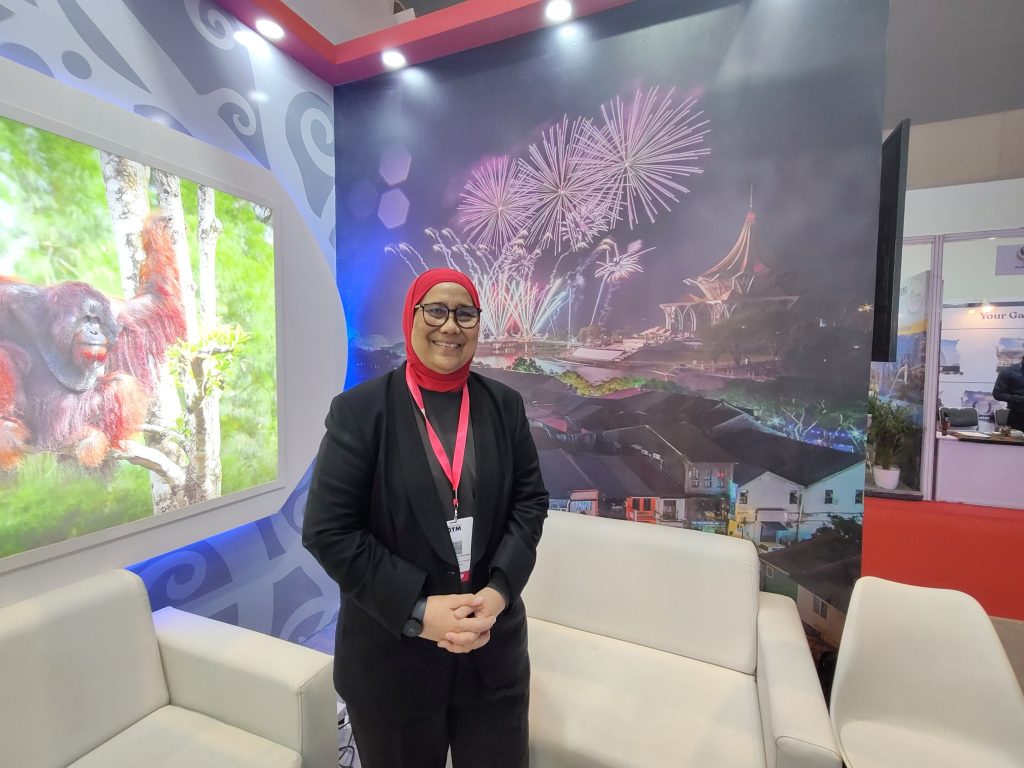
Travel and Food Network caught up with Dr. Sharzede Datu Hj. Salleh Askor, Chief Executive Officer, Sarawak Tourism Board, to understand how this Malaysian state is positioning itself ahead of the Visit Malaysia 2026 campaign — and why India sits firmly at the heart of its plans.
Dr. Sharzede Datu Hj. Salleh Askor, Chief Executive Officer of the Sarawak Tourism Board
Sarawak, known for its dense rainforests and deeply rooted indigenous heritage, is emerging as a key growth engine within Malaysia’s larger tourism push. With Visit Malaysia 2026 targeting an ambitious 43 million international arrivals, the country is counting on strong performance across its states — and Sarawak is stepping up with optimism backed by numbers. Tourism receipts have already touched RM12.68 billion, signalling robust recovery and renewed global interest.
For the Indian market, the momentum is unmistakable. Arrivals have surged 70% compared to pre-pandemic levels, with an additional 8% year-on-year growth between 2024 and 2025. Within Malaysia’s broader target of welcoming 2 million Indian travellers, Sarawak is aiming to capture a meaningful share — with a conservative target of around 60,000 Indian visitors this year, and hopes of double-digit growth.
India Climbs the Rankings
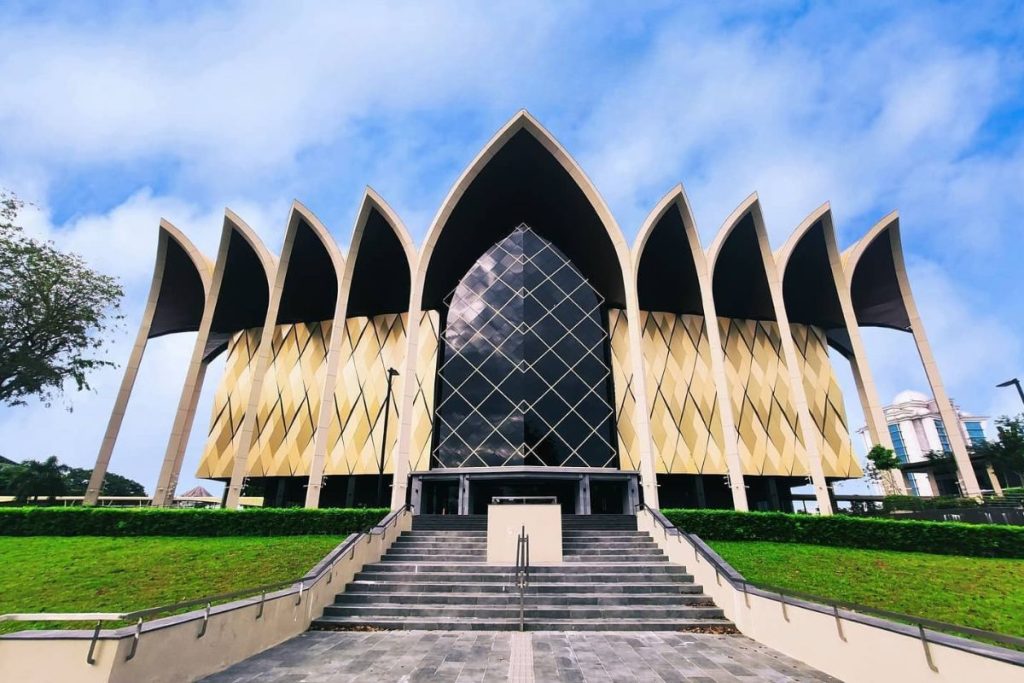
Borneo Cultures Museum. Photo: iStock
India’s rising importance is reflected in shifting market dynamics. The country has climbed from the seventh to the sixth largest source market for Sarawak — a move that reflects both increased awareness and evolving travel patterns. Singapore, China, Korea, ASEAN neighbours, and parts of Europe continue to remain strong contributors, but India is clearly gaining ground.
The average stay in Sarawak currently stands at about 5.5 days, slightly below Malaysia’s national average of 6.5 days. But the goal is clear: extend that to 7.5 days, encouraging travellers to slow down and immerse themselves more deeply in the region’s layered experiences.
The Second Stop Strategy
One of Sarawak’s biggest challenges — and opportunities — lies in accessibility. With no direct flights from India yet, the state is strategically positioning itself as a compelling second destination within Malaysia, encouraging travellers to extend their journeys beyond familiar stops like Kuala Lumpur, Penang, or Langkawi.
Collaborations are already underway with multiple airlines, including Malaysia Airlines, Scoot, and Royal Brunei Airlines, alongside ongoing conversations with Indian carriers. The long-term goal is clear: improve connectivity while building stronger destination recall.
Orangutans in Sarawak. Photo: iStock
But beyond logistics, Sarawak is betting on differentiation. “What we offer is a different world,” Dr. Sharzede noted — a sentiment that reflects the region’s unique cultural fabric. Home to 34 indigenous communities, Sarawak presents a cultural landscape that feels distinctly apart from peninsular Malaysia.
Culture, Nature, and a Sense of Discovery
Sarawak’s tourism strategy rests on five pillars: culture, adventure, nature, food, and festivals. For the Indian market, however, three themes are emerging as the strongest draw — what the team calls CAN: Culture, Adventure, Nature.
From ancient cave systems and biodiversity-rich rainforests to living indigenous traditions, Sarawak offers a raw, experiential appeal that contrasts with urban Southeast Asian itineraries. It’s the kind of destination that invites curiosity rather than checklist tourism.
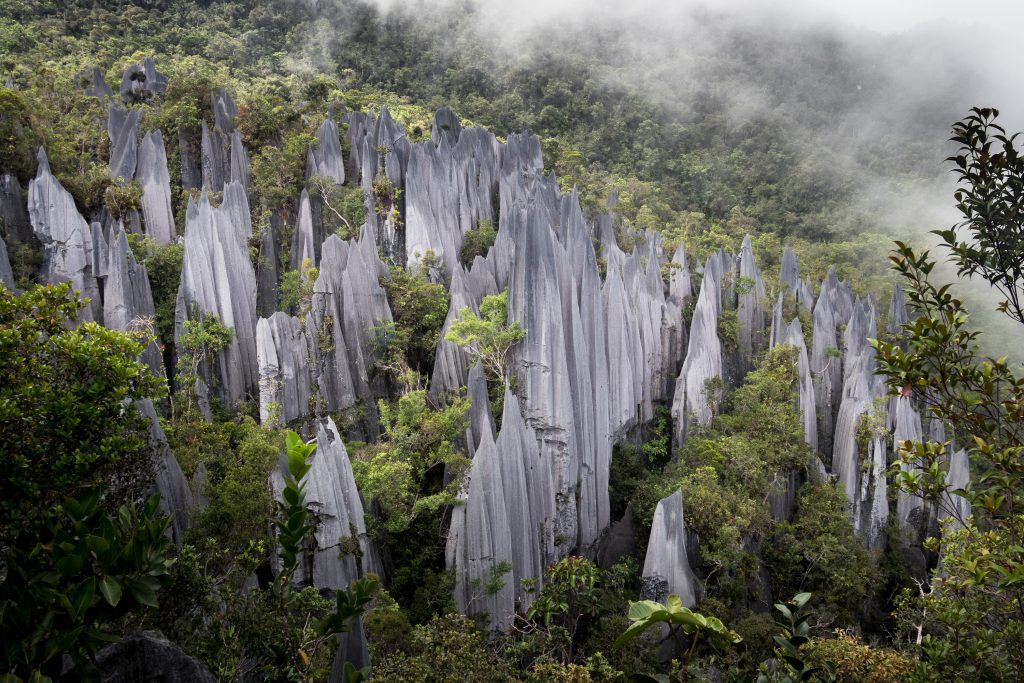
Fog And Mist Over The Pinnacles Of Gunung Mulu National Park.
A Culinary Identity Waiting to Be Discovered
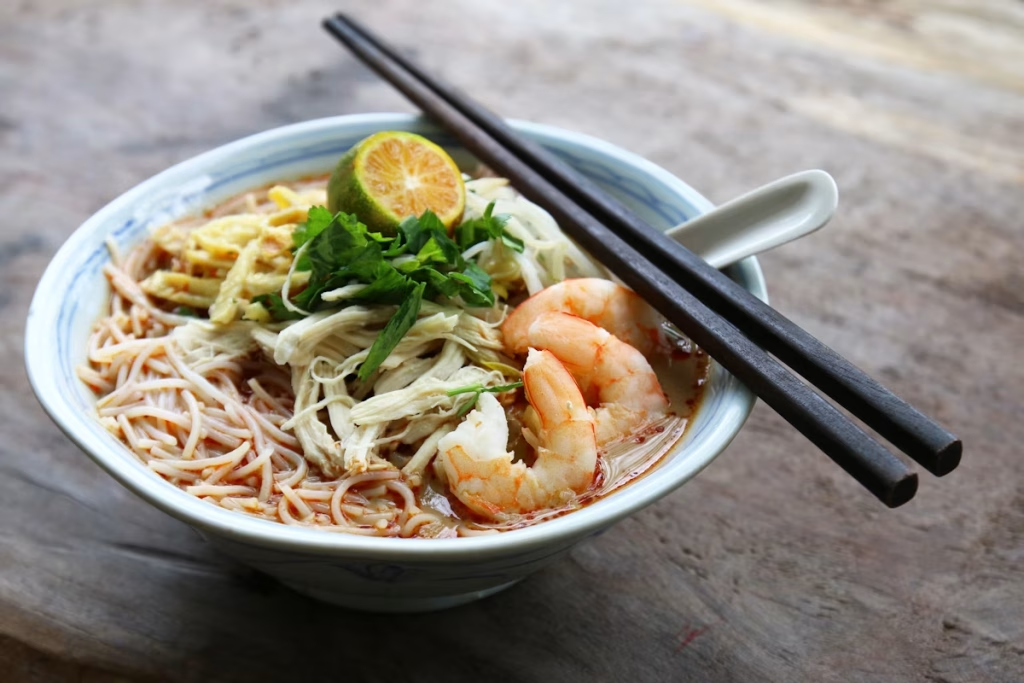
For TFN, the food angle was impossible to ignore. Sarawak holds a special distinction as Malaysia’s first UNESCO-recognised gastronomy region, and its culinary identity is deeply shaped by its indigenous roots. With 34 ethnic groups contributing to its food culture, the diversity is staggering — from wild ferns and jungle herbs to spice-forward broths and vegetable-led indigenous cooking traditions.
Interestingly, Sarawak is still exploring how best to introduce its food story to Indian travellers. While Malaysian flavours are already popular in India and globally, Sarawak’s cuisine remains relatively undiscovered — a gap the tourism board is keen to bridge. Vegetarian-friendly indigenous dishes and spice-forward profiles could make it an easy crossover for Indian palates.
Collaboration Over Competition
Rather than operating independently, Sarawak is working closely with Tourism Malaysia while also investing in its own roadshows and trade engagements. Events like OTM play a critical role — not just for visibility, but for understanding traveller psychology and building long-term relationships with the Indian market.
And the energy of India hasn’t gone unnoticed. Sarawak’s leadership is already planning an even bigger presence at future editions, signalling a deeper commitment to the market.
A Message for Indian Travellers
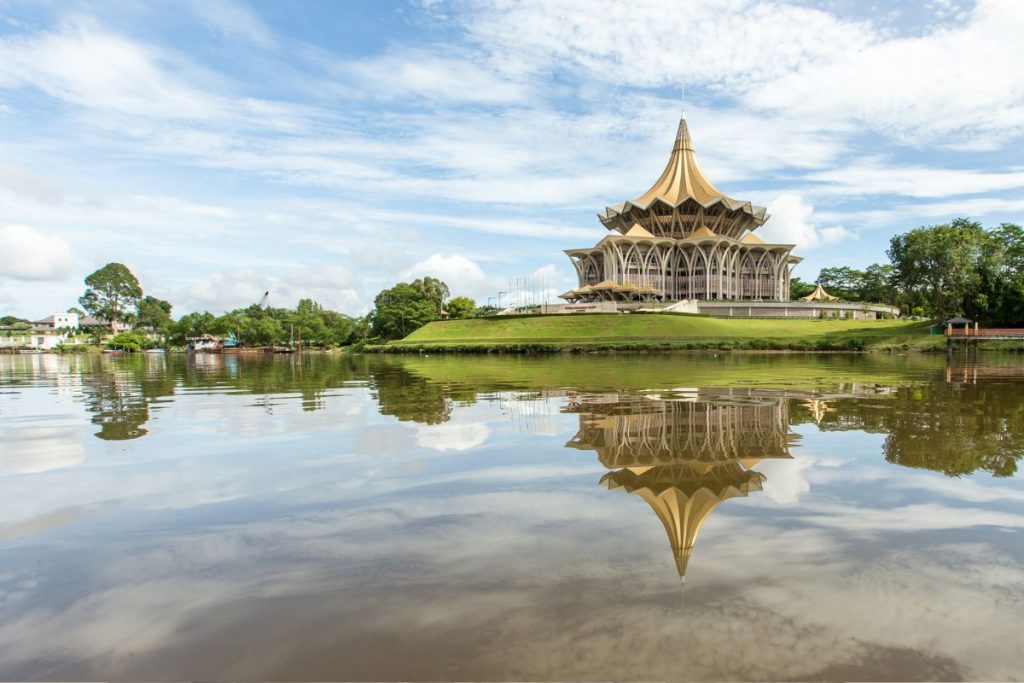
Kuching Waterfront. Photo: iStock
If there was one takeaway from the conversation, it was reassurance paired with invitation. Sarawak is positioning itself as a destination that feels both adventurous and welcoming — a place where safety, family-friendly experiences, and immersive travel come together naturally.
Whether it’s caving adventures, rainforest trails, or cultural encounters, the emphasis is on slow travel and meaningful connection. As Dr. Sharzede put it, Sarawak isn’t meant to be a quick tick on a travel list — it’s a destination that invites you to linger, engage, and return home with stories that feel personal.
And perhaps that’s Sarawak’s most compelling promise yet: come as a visitor, leave as family.
A Strong Finish at OTM 2026
Sarawak’s growing confidence in India was also reflected in its commanding presence at OTM 2026. The Sarawak Tourism Board (STB) successfully concluded its second consecutive participation at the Outbound Travel Mart, reinforcing its intent to deepen engagement with one of the world’s fastest-growing outbound markets. Held from 5–7 February at the Jio World Convention Centre in Mumbai, the platform offered a high-impact stage to spotlight Sarawak as a culture- and nature-led destination within the broader Visit Malaysia 2026 narrative.
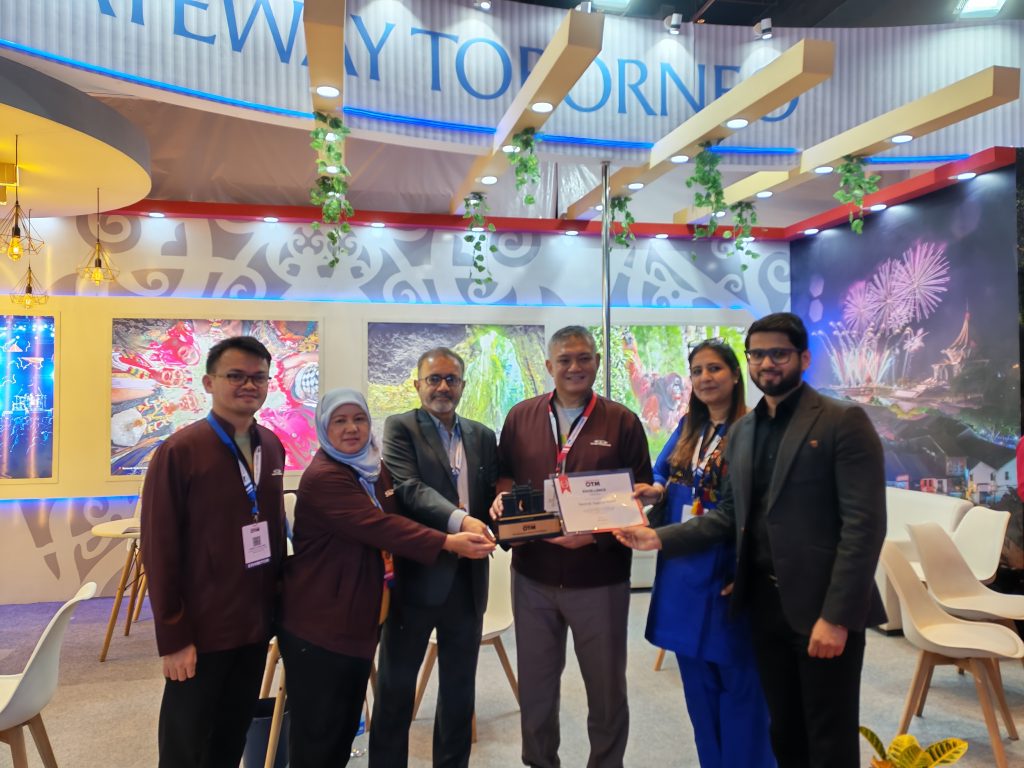
The outing culminated on a celebratory note, with STB receiving the prestigious Best Destination Marketing Campaign award — a recognition that validates the success of its nature-led gateway-to-Borneo strategy and its growing influence on the global tourism map. For Sarawak, it wasn’t just another trade show appearance; it was a statement of intent — one that signals a deeper, more enduring courtship of the Indian traveller.
For latest travel news and updates, food and drink journeys, restaurant features, and more, like us on Facebook or follow us on Instagram. Read more on Travel and Food Network
A New Yorker at heart, an unapologetic anglophile, national parks explorer and former head of National Geographic publishing in India, Ritika is the Global Editor for Travel and Food Network and leads all journalism across platforms, including news, digital, videos, and social media. She writes features focused on narrative storytelling, industry trends, destinations, culinary travel, and how-to advice and is an advocate for sustainable travel. You can follow her on Instagram @newyorkeratheart