Home » News » Why Morocco Is Fast Becoming a Favourite for Indian Travellers
Why Morocco Is Fast Becoming a Favourite for Indian Travellers
Ritika Basu
Facebook
Twitter
LinkedIn
WhatsApp
Email
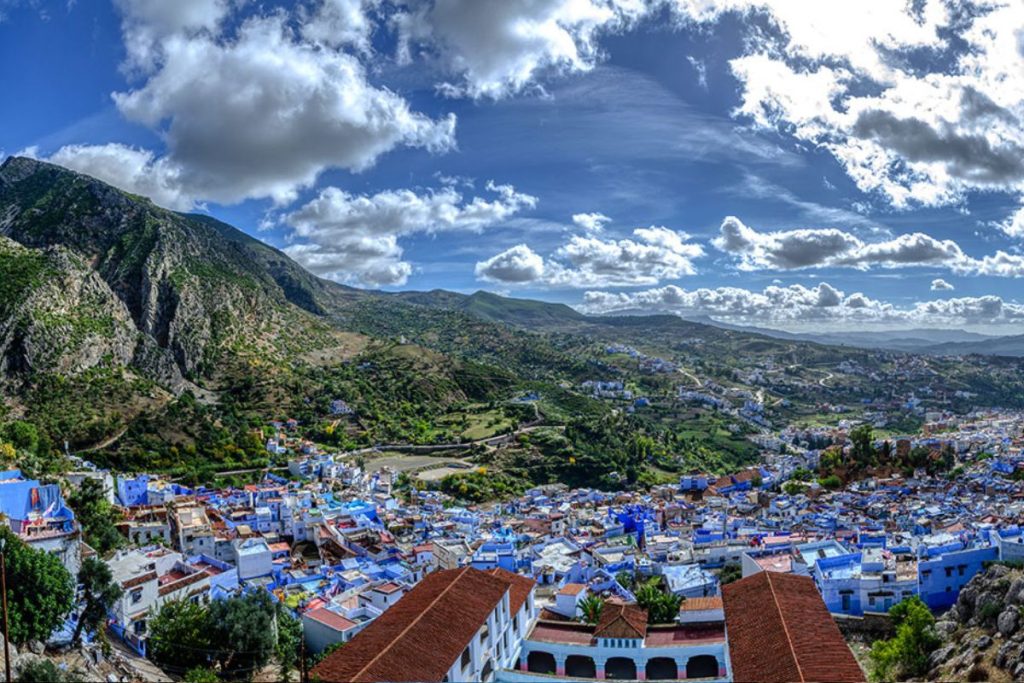
Photo: Visit Morocco
As Morocco rides a global tourism surge, Indian travellers are discovering a destination that feels both familiar and thrillingly different.
Fondly known as the“Kingdom of Light,” Morocco is currently riding a remarkable tourism wave. The destination recorded an impressive 19.8 million international arrivals — a 14% year-on-year increase — firmly cementing its position as Africa’s leading tourism destination.
Within this global success story, India has emerged as a standout market. The country welcomed 53,697 Indian travellers, reflecting a 31% increase over the previous year and a remarkable 224% surge compared to 2019 levels.
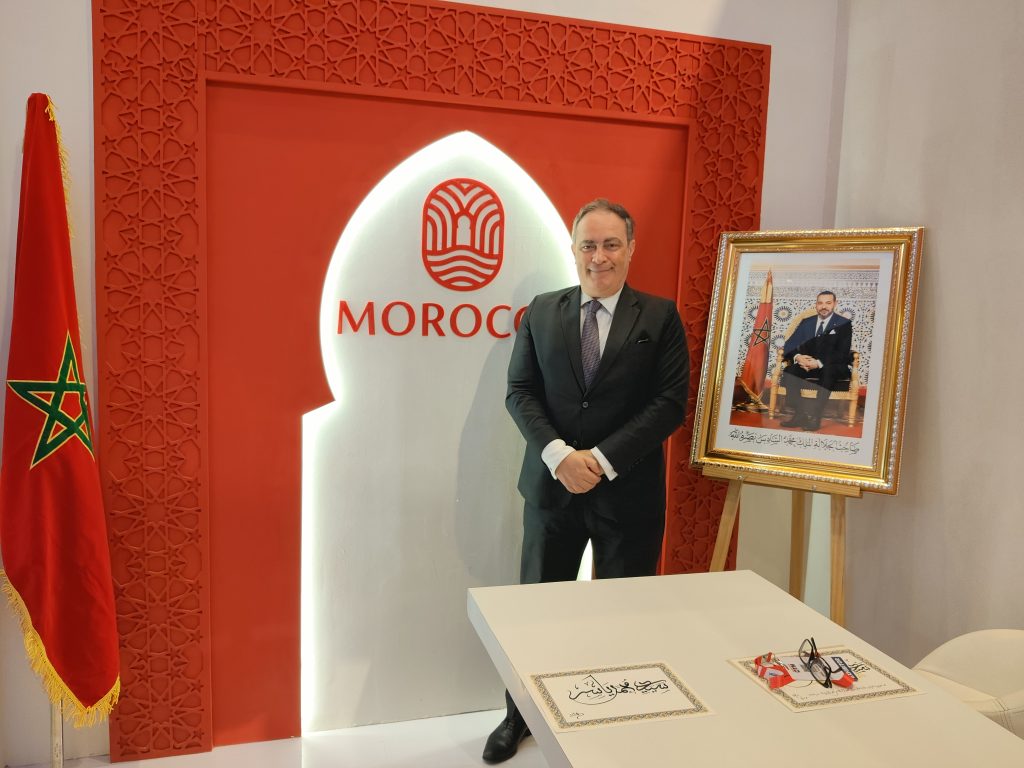
Travel and Food Network caught up with Jamal Kilito, Country Manager – India, Moroccan National Tourist Office (MNTO) at OTM 2026 for a deeper look into Morocco’s ambitions and its evolving bond with Indian travellers.
Jamal Kilito, Country Manager – India, Moroccan National Tourist Office (MNTO)
Aiming for the Global Top 15
Morocco’s growth trajectory is firmly future-focused. With visitor numbers nearing 20 million, the destination is now aiming to enter the world’s top 15 tourism markets by 2030.
Sustained investments across marketing, hospitality infrastructure and destination development continue to drive this ambition. A major milestone will be Morocco’s role in hosting the FIFA World Cup in 2030 — a global stage expected to dramatically boost awareness and destination visibility. As Mr. Kilito notes, mega sporting events have historically played a powerful role in elevating tourism appeal.
India: Fast Growth, Bigger Potential
While India remains an emerging market, its momentum is unmistakable. Morocco crossed roughly 50,000 Indian visitors last year, delivering 31% growth year-on-year and 224% growth compared to 2019. Yet Mr. Kilito believes this is only the beginning.
“For a market the size of India, we should be targeting at least 100,000 visitors,” he explains.
A turning point came in 2022 with the introduction of Morocco’s e-visa for Indian travellers — a move that significantly improved accessibility. This was followed by structured promotion in 2023, including agent training, partnerships with tour operators, trade contracts, FAM trips and stronger engagement with the travel trade ecosystem.
The objective is clear: stronger top-of-mind recall within the Indian travel industry and a steady march towards the lakh-visitor milestone.
A Familiar Culture with a Different Expression
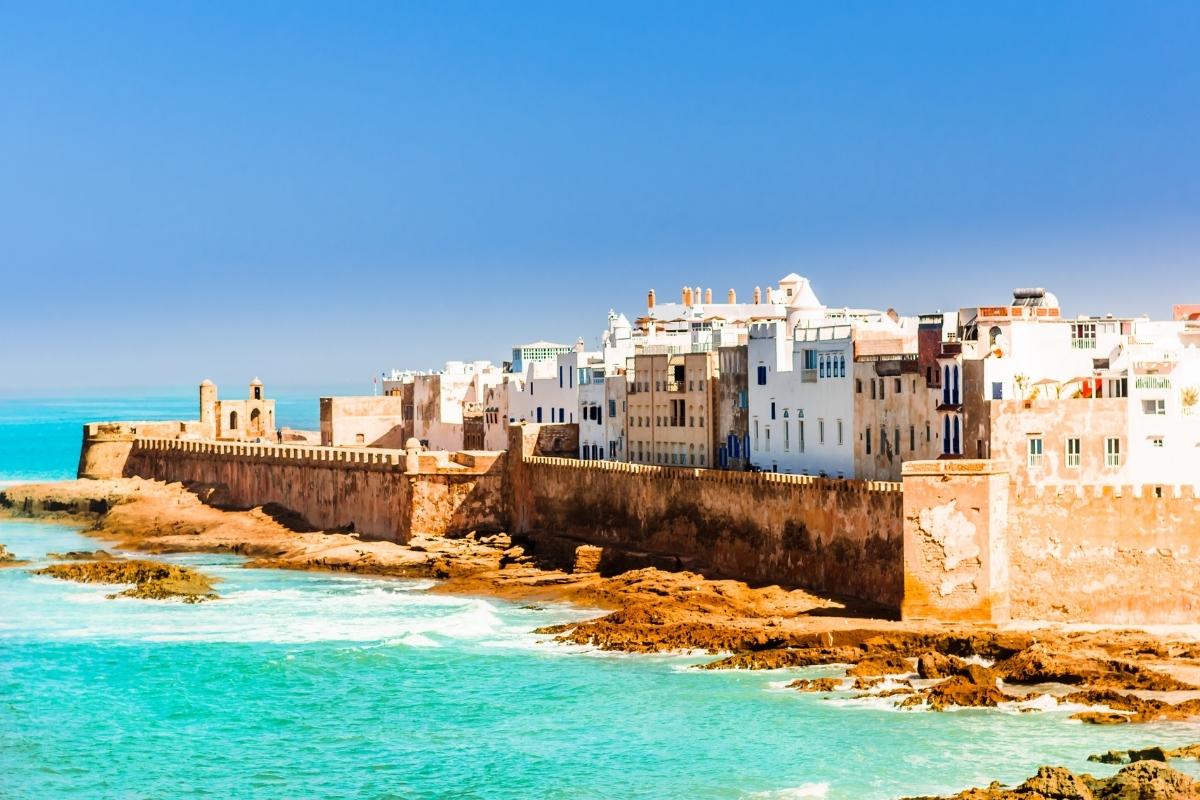
Photo: iStock
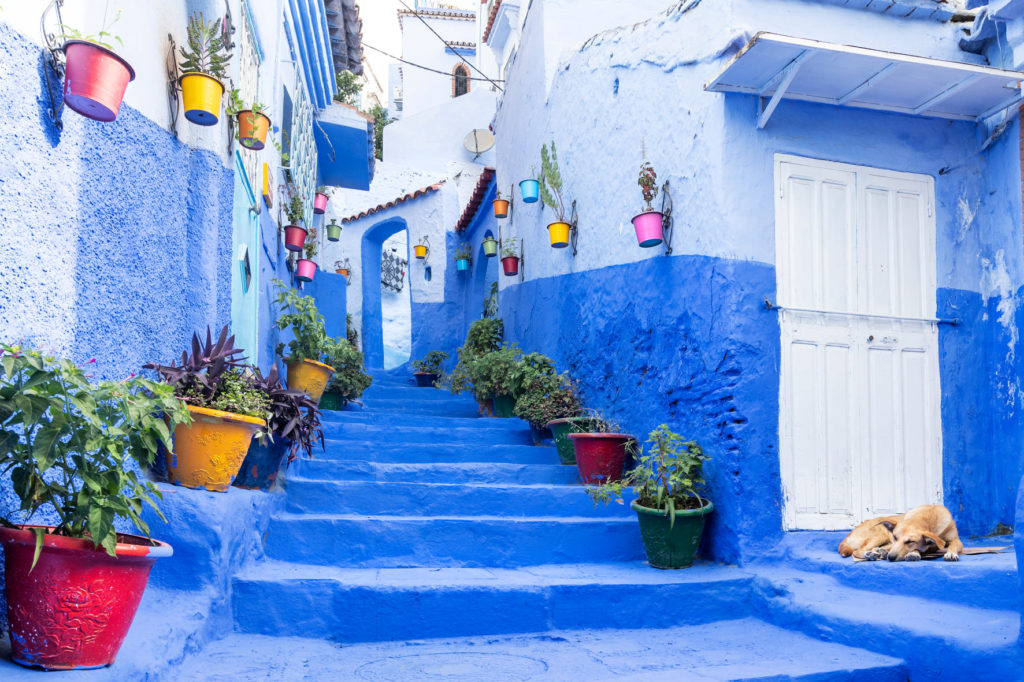
Morocco’s strongest appeal for Indian travellers lies in cultural relatability. Shared traits — hospitality, love for colour, spices, music and celebration — create an immediate emotional connection.
Yet Morocco expresses these familiar elements through an entirely different lens. As Mr. Kilito puts it, Morocco can feel like “India with another flavour.” The cultural fundamentals resonate, but the textures, landscapes and traditions offer something refreshingly distinct.
This relatability has translated into strong word-of-mouth advocacy, with returning travellers often becoming the destination’s most compelling ambassadors.
Access, Connectivity and Multi-Country Appeal
Ease of travel is steadily improving. While direct flights remain absent, Morocco is well connected via Gulf hubs such as Doha, Dubai and Abu Dhabi, as well as European gateways like Paris and London.
The destination also lends itself beautifully to multi-country itineraries. Its proximity to Spain — just a 35-minute ferry ride across the Strait of Gibraltar — makes Iberian combinations especially attractive for Indian travellers seeking longer, layered European holidays.
Curated Experiences for Every Kind of Traveller
The destination offers well-defined travel circuits that simplify trip planning. These include the Imperial Cities route, kasbah trails, and northern explorations through Tangier, Chefchaouen and Tetouan.
Travellers can also combine culture-heavy itineraries with restorative beach escapes. Taghazout, known for yoga retreats and surf culture, offers a relaxed coastal finale backed by high-quality hospitality.
Beyond Luxury Experiences
Morocco enjoys a strong luxury perception — and rightly so. Desert camps, heritage riads, curated transport and bespoke shopping experiences deliver deeply immersive high-end travel.
However, the destination spans multiple budgets. Self-drive holidays, self-catering stays and efficient rail or coach networks — comparable to European standards — make it accessible across price points.
Even long-haul airfare can be relatively attainable when booked early, often falling in the ₹50,000–₹60,000 range, making Morocco more reachable than its luxury reputation might suggest.
Romance, Celebrations and Solo Journeys
Morocco’s experiential richness lends itself beautifully to romantic travel. Desert camps, intimate riads and tranquil heritage stays create ideal settings for honeymoons.
For small celebrations, private riads offer an especially unique format — entire homes that can host close-knit gatherings of 10–15 guests, blending privacy with cultural immersion.
“Morocco talks to the soul,” Mr. Kilito says, describing the emotional depth many travellers associate with the destination.
Morocco is increasingly positioning itself as a safe and welcoming destination, including for solo women travellers. Structured itineraries led by specialised DMCs cater specifically to solo travellers seeking reassurance and curated experiences.
Local hospitality plays a key role here. Moroccan warmth and respectfulness, Mr. Kilito suggests, are often reflected in visitor experiences. Indian influencers who have travelled solo have shared positive, reassuring narratives — reinforcing perceptions of safety through authentic storytelling.
A Cuisine Rooted in Heritage, Yet Entirely Its Own
Moroccan cuisine has long held global intrigue. As far back as the 1970s, legendary French chef Joël Robuchon famously described it on television as the world’s third-greatest cuisine — after French and Chinese. His reasoning was simple: Morocco’s food is deeply rooted in family traditions. Each household brings its own variations to classic recipes, creating an extraordinary diversity of flavours and techniques that make the cuisine richly layered and endlessly personal.
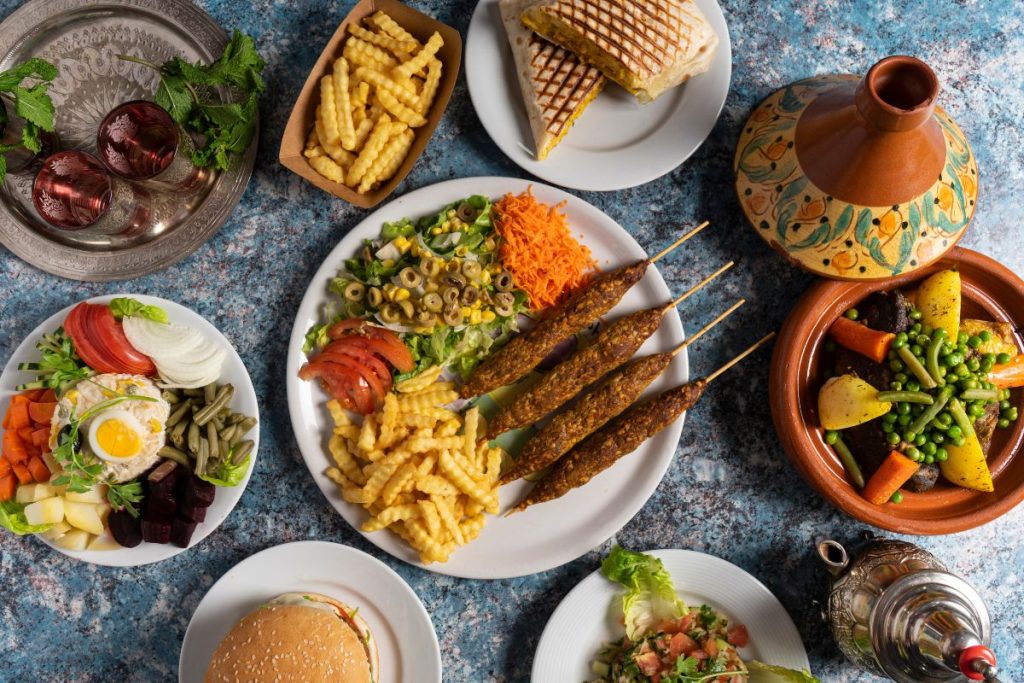
At its heart, Moroccan cooking is defined by a masterful interplay of sweet and savoury. Dishes like delicate, flaky pastilla or slow-cooked lamb tagine with prunes exemplify this balance. Meals typically begin with vegetable-forward starters, while mains lean more towards meats — though many staples, including couscous and tagines, are easily adapted into vegetarian versions without losing their character.
Photo: iStock
Ingredient quality is central to the culinary philosophy. Moroccan cooking relies heavily on natural produce, where the freshness of vegetables and spices shapes the final flavour. While spices are integral, they differ from the Indian palette. Broadly, two dominant flavour bases emerge: one built around turmeric, pepper, saffron and ginger; the other anchored in paprika and cumin. Alongside these are intricate blends such as the traditional morosia mix, layered with rose petals, cloves, coriander seeds and saffron — sometimes even cardamom, though its use varies from family to family.
In recent years, Moroccan cuisine has continued to earn global acclaim. In 2024, a worldwide vote highlighted by chef Gordon Ramsay once again placed it among the world’s most celebrated culinary traditions — a moment that reaffirmed both its enduring appeal and the deep pride Moroccans take in their food heritage.
What makes Moroccan gastronomy especially compelling is its distinct identity. Unlike many neighbouring cuisines, it remained largely untouched by Ottoman influence, giving it a flavour profile separate from much of the Arab world. While subtle traces of Southern European inspiration exist, the cuisine ultimately stands apart — oriental yet singular, sweet yet savoury, and unmistakably Moroccan.
Why Now Is the Best Time To Travel To Morocco
Mr. Kilito’s closing message to Indian travellers is simple: now is the time.
Recent rains have transformed Morocco’s landscapes into lush, flower-filled panoramas — a rare and vivid contrast to the country’s desert imagery. With greenery across the countryside and nature at its most vibrant, the destination is currently showcasing an especially beautiful chapter of its story.
For latest travel news and updates, food and drink journeys, restaurant features, and more, like us on Facebook or follow us on Instagram. Read more on Travel and Food Network
A New Yorker at heart, an unapologetic anglophile, national parks explorer and former head of National Geographic publishing in India, Ritika is the Global Editor for Travel and Food Network and leads all journalism across platforms, including news, digital, videos, and social media. She writes features focused on narrative storytelling, industry trends, destinations, culinary travel, and how-to advice and is an advocate for sustainable travel. You can follow her on Instagram @newyorkeratheart