


Five Scenic Road Trips from San Jose to Elevate Your FIFA World Cup 2026 Experience
Heading to California for the FIFA World Cup 2026? When the roar of the crowd fades at Levi’s Stadium in Santa Clara, the San Francisco Bay Area makes a compelling case for lingering a little longer. Beyond matchday, the region opens up into a series of effortless escapes—think vineyard-lined valleys, echoes of Gold Rush lore, cathedral-like redwood forests, glassy alpine lakes, and one of the world’s most storied national parks. All within a few hours of San Jose, these five road trips transform a sporting getaway into something far more memorable.

Surf and Hike the Redwoods in Santa Cruz
Less than an hour from San Jose, Santa Cruz captures the easygoing spirit of coastal California, where salt-sprayed mornings meet forested afternoons. Long celebrated as one of the state’s original surf towns, its shoreline still draws seasoned surfers to Steamer Lane, where waves roll in against dramatic cliffs, while a modest museum nearby quietly chronicles the sport’s local legacy.
Just steps away, the Santa Cruz Beach Boardwalk adds a dose of nostalgia—think a historic wooden roller coaster and a century-old carousel set against the oceanfront. The presence of the University of California lends the town its unmistakable offbeat, college-town charm, with a creative, relaxed energy that defines the area.
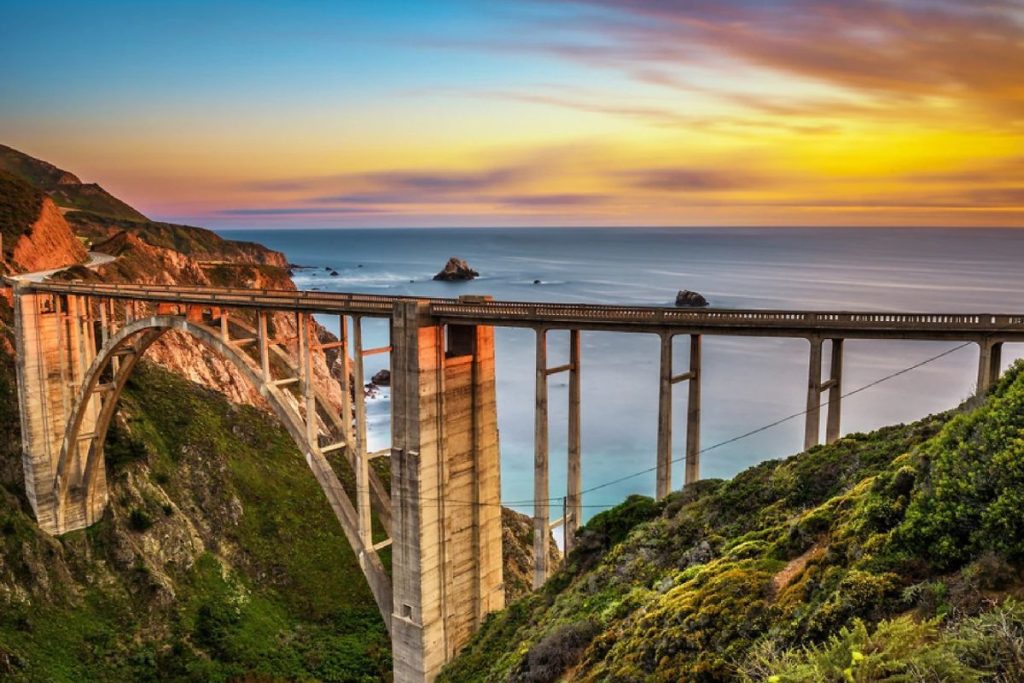
Venture inland and the landscape shifts entirely. Towering redwood forests in nearby state parks offer shaded trails and a sense of quiet immersion, creating a striking contrast to the lively coastline. And if time allows, follow the curve of Highway 1, where the Pacific opens up to reveal windswept bluffs, scenic coastal towns, and cinematic ocean views.
Stay by the water at La Bahia Santa Cruz or the Dream Inn, and for an atmospheric evening, head to Capitola, where a hillside funicular leads down to Shadowbrook, a restaurant set among the trees.
Explore Wine Country: Sonoma County and Napa Valley
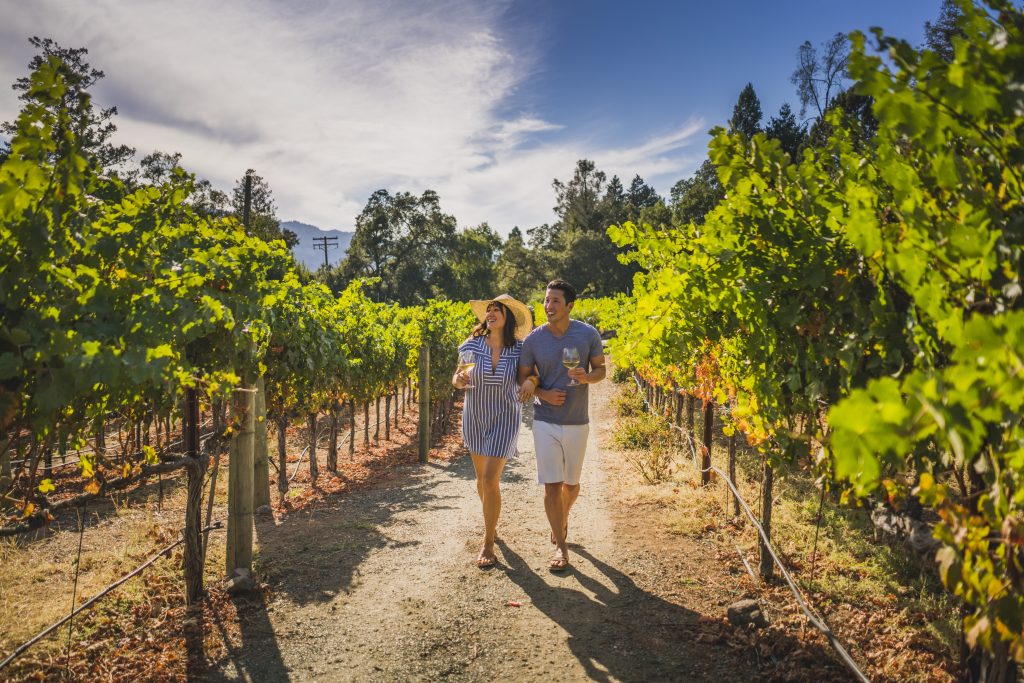
Within a few hours north of San Jose, Napa Valley and Sonoma County unfold in a sweep of sunlit vineyards and gently rolling hills, regions that helped shape California’s global wine reputation and continue to define it today. For wine lovers, this is a landscape of abundance—hundreds of wineries producing everything from bold Cabernet Sauvignons to elegant Chardonnays.
Begin in Sonoma County, where towns like Petaluma, Sebastopol, Sonoma, and Healdsburg offer a more relaxed, artisanal pace, then continue into Napa Valley, where Calistoga, St. Helena, Yountville, and Napa bring a more polished, indulgent charm. Tastings here range from intimate cellar experiences to grand estates, with Castello di Amorosa, a dramatic medieval-style castle winery, standing out for its theatrical setting.
For something different, board the Napa Valley Wine Train, where vineyard views unfold at a leisurely pace alongside curated tastings. Families can make a detour to Santa Rosa’s Charles M. Schulz Museum, a tribute to the creator of Snoopy, adding a nostalgic touch to the journey.
Wine country’s appeal extends well beyond the glass. The region is home to Michelin-starred dining, including The French Laundry and SingleThread, as well as refined stays such as The Madrona in Sonoma and Meadowood in Napa. Time your visit right, and the calendar comes alive with summer events, from music festivals to high-energy race weekends.
Dive into History: Sacramento and Gold Country
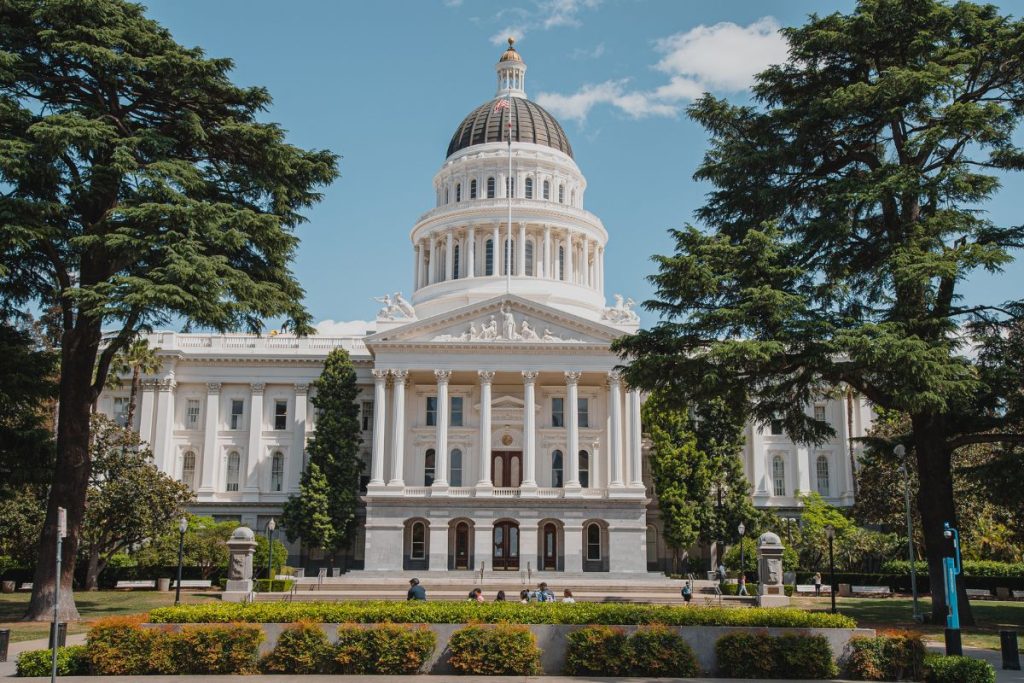
Roughly 120 miles northeast of San Jose, Sacramento blends Gold Rush heritage with a quietly evolving culinary scene, earning its reputation as the “Farm-to-Fork Capital” thanks to the fertile farmland that surrounds it and a new generation of inventive chefs. Alongside its food culture, the city has also built a name for its craft beer and coffee scene, adding a contemporary edge to its historic core.
Step back in time at the California State Capitol Museum or wander through Old Sacramento, where wooden boardwalks and preserved storefronts recall the frenzy of the Gold Rush era. The city’s museums offer deeper layers of history—from the California State Railroad Museum, with its beautifully restored locomotives, to the Crocker Art Museum, the oldest art museum west of the Mississippi.
Beyond the city, the story continues. About 45 miles away, Marshall Gold Discovery State Historic Park marks the very spot where gold was first found in 1848, while Columbia State Historic Park, a little further afield, recreates the atmosphere of a Gold Rush town, complete with costumed interpreters and period details.
Back in Sacramento, base yourself near the Capitol at refined stays such as the Kimpton Sawyer Hotel or The Citizen Hotel, Autograph Collection, then explore a dining scene that celebrates local produce with understated sophistication. Visit in June, and the city comes alive with Pride Month celebrations, adding a vibrant, inclusive energy to its historic streets.
Witness the Majesty of Yosemite National Park
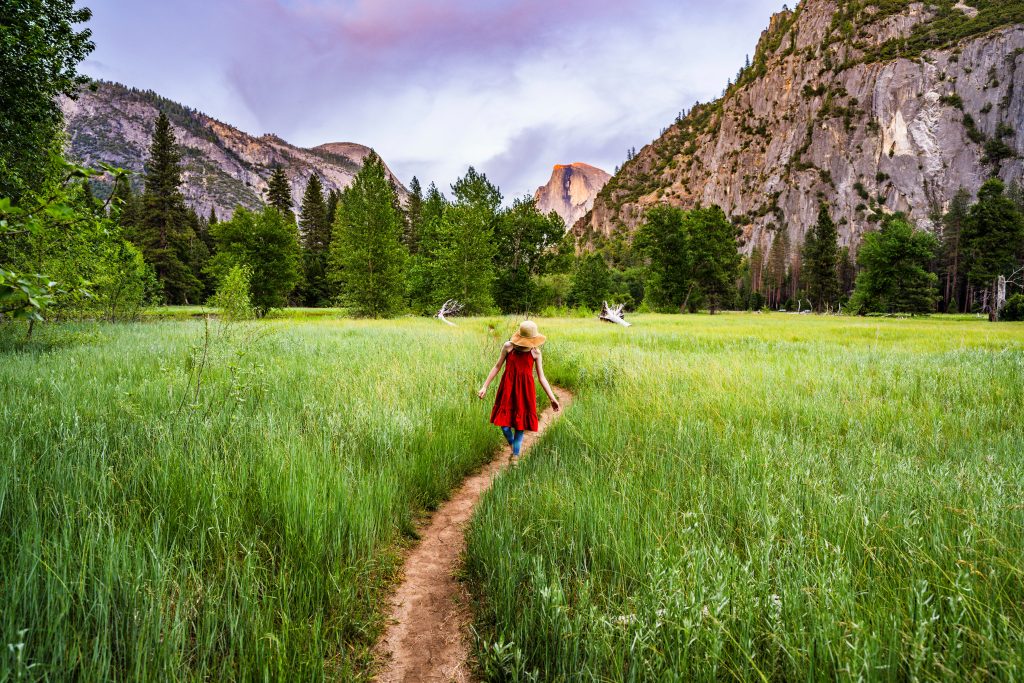
Drive east across the Central Valley and the landscape shifts dramatically, giving way to the soaring wilderness of Yosemite National Park, a vast expanse of nearly 1,200 square miles defined by granite cliffs, cascading waterfalls, and ancient sequoia groves. It’s a place where scale feels almost unreal, and every turn reveals a new, cinematic vista.
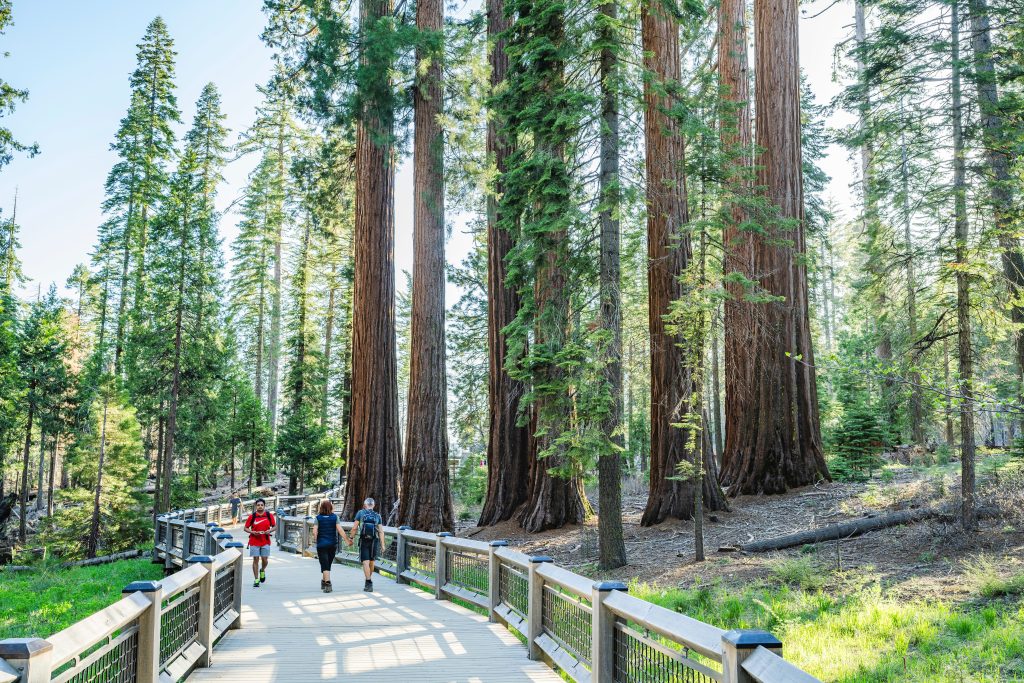
For adventure seekers, the park offers unforgettable moments—watch climbers inch their way up the sheer face of El Capitan, rising more than 3,500 feet above the valley floor, or take a guided climbing lesson in Curry Village. On the ground, quieter wonders await in the shade of Mariposa Grove, home to hundreds of giant sequoias, some among the oldest living trees on Earth, with equally striking clusters found in Tuolumne Grove and Merced Grove.
To take it all in with ease, the Yosemite Valley Floor Tour offers a relaxed introduction, weaving past icons such as Yosemite Falls, Half Dome, El Capitan, and Bridalveil Fall, each more dramatic than the last.
Extend the experience by staying in one of the park’s welcoming gateway towns—Mariposa, Oakhurst, Groveland, Fish Camp, or Lee Vining—where slower mornings and star-filled nights complete the journey.
Soak Up the Water and Sun at Lake Tahoe
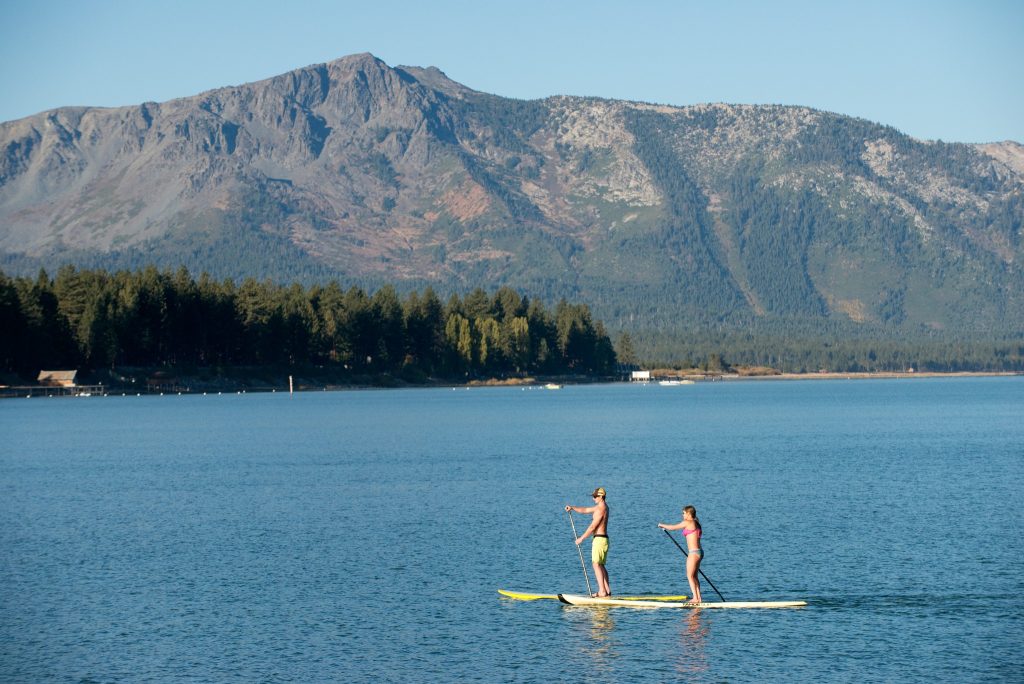
A roughly 200-mile drive from San Jose brings you to Lake Tahoe, North America’s largest alpine lake and one of its most striking—where crystal-clear, topaz-blue waters meet a dramatic ring of mountain peaks. Spanning 72 miles around, the lake feels both expansive and intimate, offering endless ways to experience its natural beauty.
For those drawn outdoors, the region delivers in every direction. The Tahoe Rim Trail traces panoramic routes along the mountains, while Emerald Bay State Park offers some of the most iconic views, with hikes along the Rubicon Trail and Eagle Falls Trail revealing sweeping lake vistas. Adventure seekers can scale new heights on the Tahoe Via Ferrata above Olympic Valley, or take to the water with kayaking, paddleboarding, or rafting along the Truckee River.
For a slower pace, the shoreline invites you to linger—whether at Kings Beach State Recreation Area, Kiva Beach, or the picture-perfect Emerald Bay Beach, where the scenery feels almost unreal in its clarity.
Extend your stay in South Lake Tahoe or in the quieter enclaves of North Lake Tahoe, including Tahoe City and Truckee, where crisp mountain air, relaxed evenings, and a growing craft beer scene round out the experience.
When are the World Cup games in San Francisco Bay Area
San Francisco will take centre stage during the FIFA World Cup 2026, hosting six matches and emerging as one of the tournament’s key destinations on the West Coast. All fixtures will be played at Levi’s Stadium—officially designated as the San Francisco Bay Area Stadium for the tournament—bringing global football energy to the heart of Silicon Valley. The city’s first match kicks off on June 13, with additional games scheduled across the group stage and knockout rounds on June 16, 19, 22, 25, and July 1.
Though Levi’s Stadium lies about 45 miles from San Francisco, getting there is refreshingly straightforward. The Valley Transportation Authority (VTA) serves the venue via the Great America/Levi’s Stadium light rail station, while the city’s wider public transport network connects seamlessly, making match-day travel both easy and efficient.

Why Choose San Francisco Bay Area?
Few cities stir the imagination quite like San Francisco, where dramatic hills, shifting fog, and a rich layering of cultures shape a city that feels both timeless and constantly evolving. Its neighbourhoods unfold like stories—each distinct, each deeply rooted in history yet alive with creative energy. Add to that a world-class food scene, where everything from delicate dim sum to iconic sourdough reflects the city’s diversity, and the appeal only deepens. Beyond the urban rhythm, beaches, redwood forests, Berkeley, and Silicon Valley lie just within reach, making San Francisco not just a destination, but a gateway to Northern California’s most compelling landscapes. It’s this effortless blend of culture, cuisine, and access that makes the city endlessly memorable—and impossible to experience just once.
For latest travel news and updates, food and drink journeys, restaurant features, and more, like us on Facebook or follow us on Instagram. Read more on Travel and Food Network
Related Content
The End of Route 66: Santa Monica’s Iconic Stops, Landmarks, and Local Favourites
A Cinematic Road Trip Through California’s Iconic Movie Locations
9 New Michelin-Starred Restaurants in California to Bookmark for Your Next Visit