


Discover the best things to do in Rabat, from UNESCO-listed landmarks and atmospheric medinas to luxury hotels, exceptional dining and striking contemporary architecture.
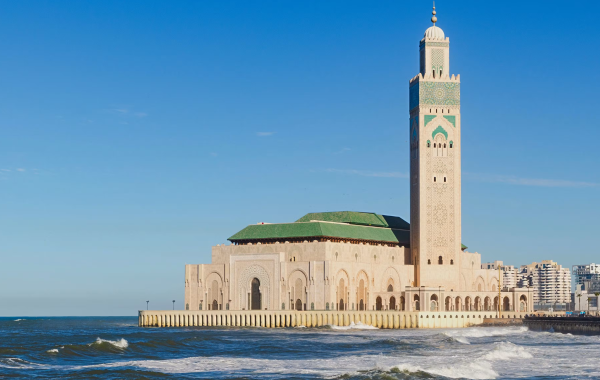
After a glorious day amid Casablanca’s Art Deco façades, oceanfront promenades, fast-paced city life, and the unforgettable Hassan II Mosque rising above the Atlantic—we journeyed north to Rabat. Almost immediately, Morocco seemed to change pace.
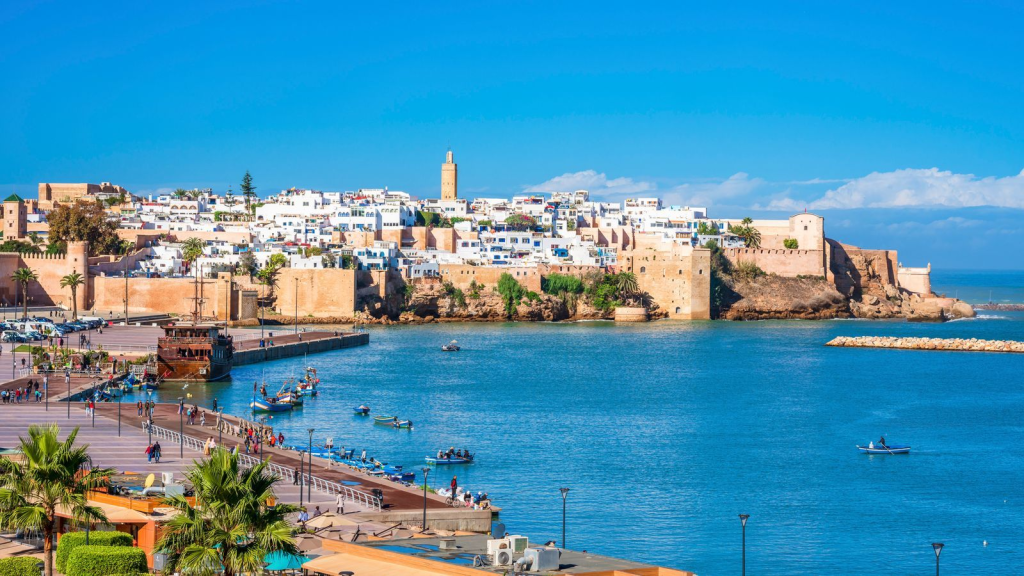
For all its stature as Morocco’s political and administrative capital since independence in 1956, Rabat has an unexpected calm and an air of understated refinement. It may not feature on every Moroccan itinerary, but the city rewards those who make the journey. Roman ruins, Marinid relics, and Almohad monuments sit alongside stunning colonial architecture, palm-lined boulevards, excellent museums and a medina that feels wonderfully unhurried. With the Atlantic at its edge and remarkably little traffic for a capital city, Rabat feels cosmopolitan yet intimate – a city made for leisurely exploration, even when you have only 24 hours.
THINGS TO SEE & DO
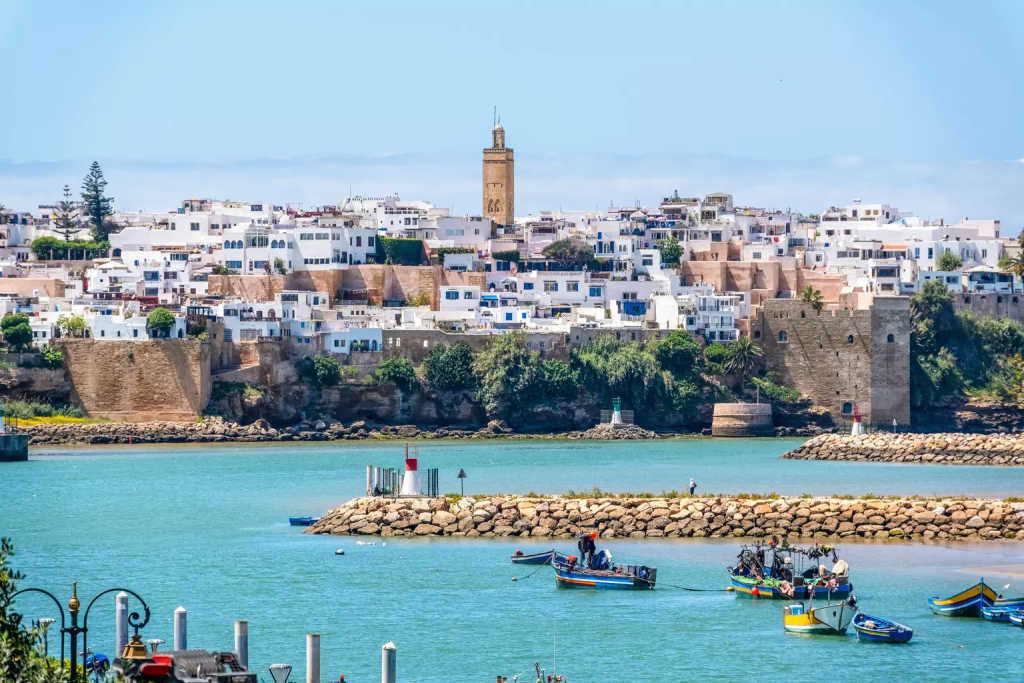
Founded in the 12th century on a rocky promontory above the Atlantic, Morocco’s coastal capital is listed as a UNESCO World Heritage city for its blend of tradition and modernity, and the exceptional way its historic landmarks coexist with the elegant modern city that has grown around them.
Trace Rabat’s Royal History at Hassan Tower, the Mohammed V Mausoleum and Royal Palace
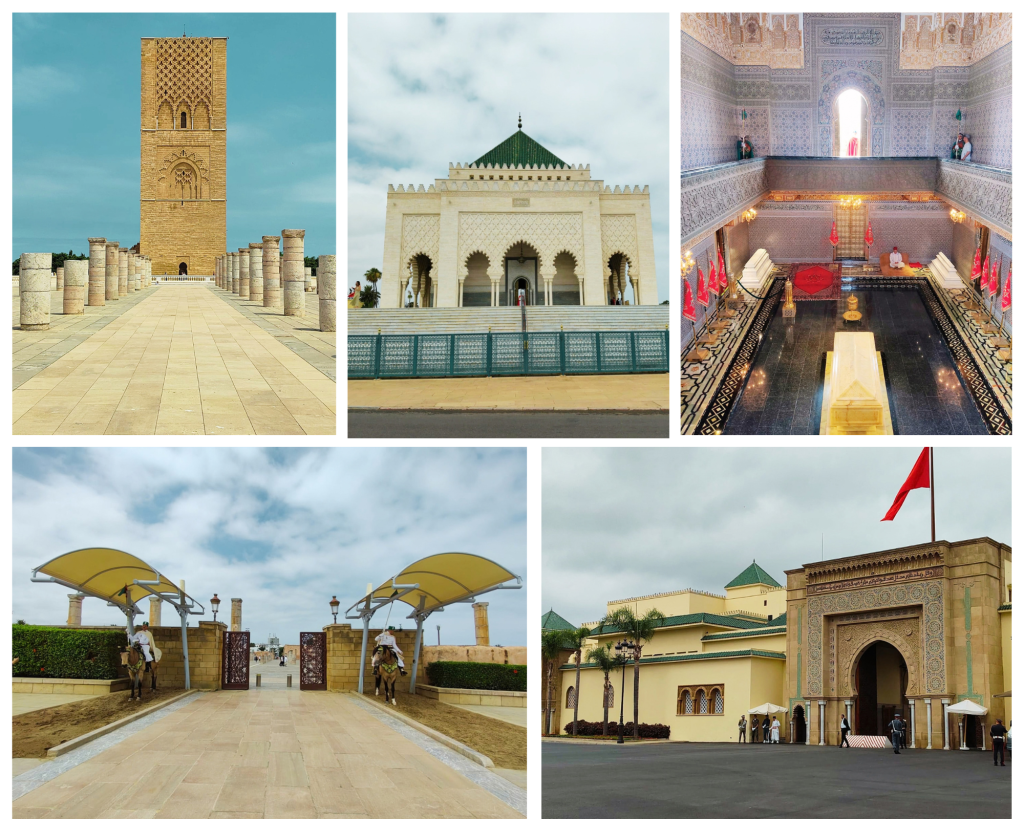
Two of Rabat’s great landmarks share a dramatic hilltop setting overlooking the Bouregreg River. The Hassan Tower, a 12th-century sandstone minaret, was conceived by Sultan Yacoub al-Mansour as part of one of the largest mosques in the Islamic world. His death left the vision unfinished: the minaret stopped at 44 metres, while the mosque was later destroyed by the 1755 earthquake. Today, rows of stone columns surround the solitary tower, offering a glimpse of its intended scale. Its design echoes two other Almohad masterpieces—the Koutoubia in Marrakech and Seville’s Giralda.
Adjacent to the tower stands the white marble Mausoleum of Mohammed V, distinguished by intricate zellij tilework, finely carved plasterwork and royal guards in red stationed at its four entrances. It holds the tombs of King Mohammed V and his two sons. Visitors may view the burial chamber from the gallery above.
Bring Rabat’s royal story into the present at the Royal Palace, the official residence of Morocco’s royal family. The palace itself is not open to visitors, but its grand exterior and surrounding complex can be viewed with a local guide.
Wander and Shop Through Rabat’s Quiet Medina
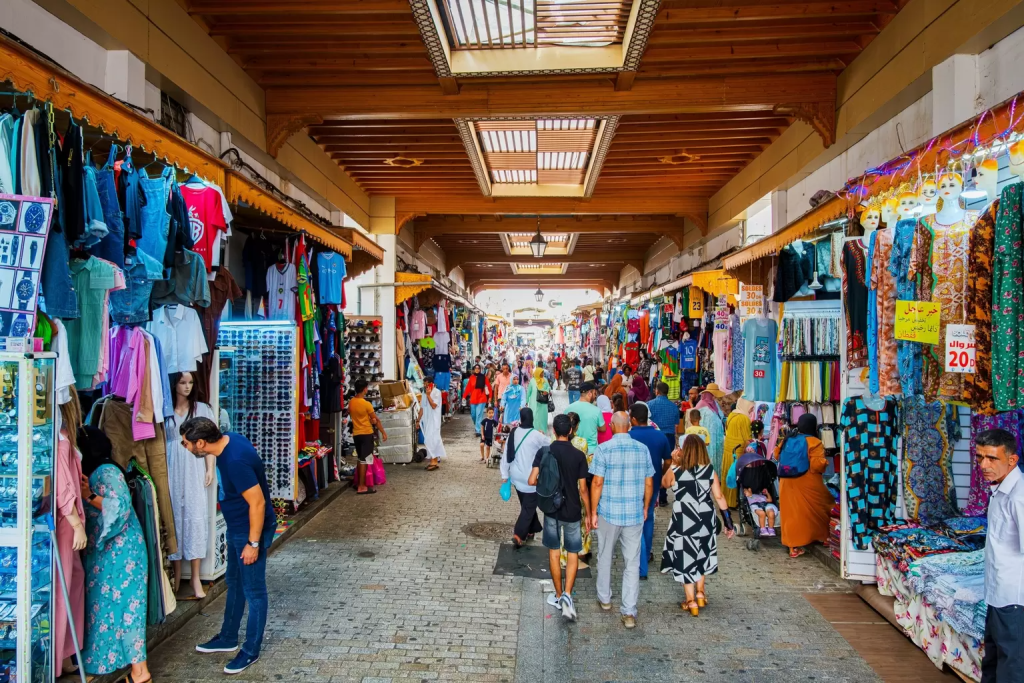
Dating from the 17th century, Rabat’s old city is smaller and calmer than the medinas of Marrakech and Fez, though its winding lanes can still lead you astray. Rue des Consuls is the main shopping street, lined with former diplomatic residences and jewellery stores around Souk Tahti. Keep an eye out for bargains on antiques, brassware, home furnishings, books, brassware and Rabat’s distinctive red rugs, among the city’s most prized traditional crafts.
Lose Yourself in the Beauty of the Kasbah des Oudaias
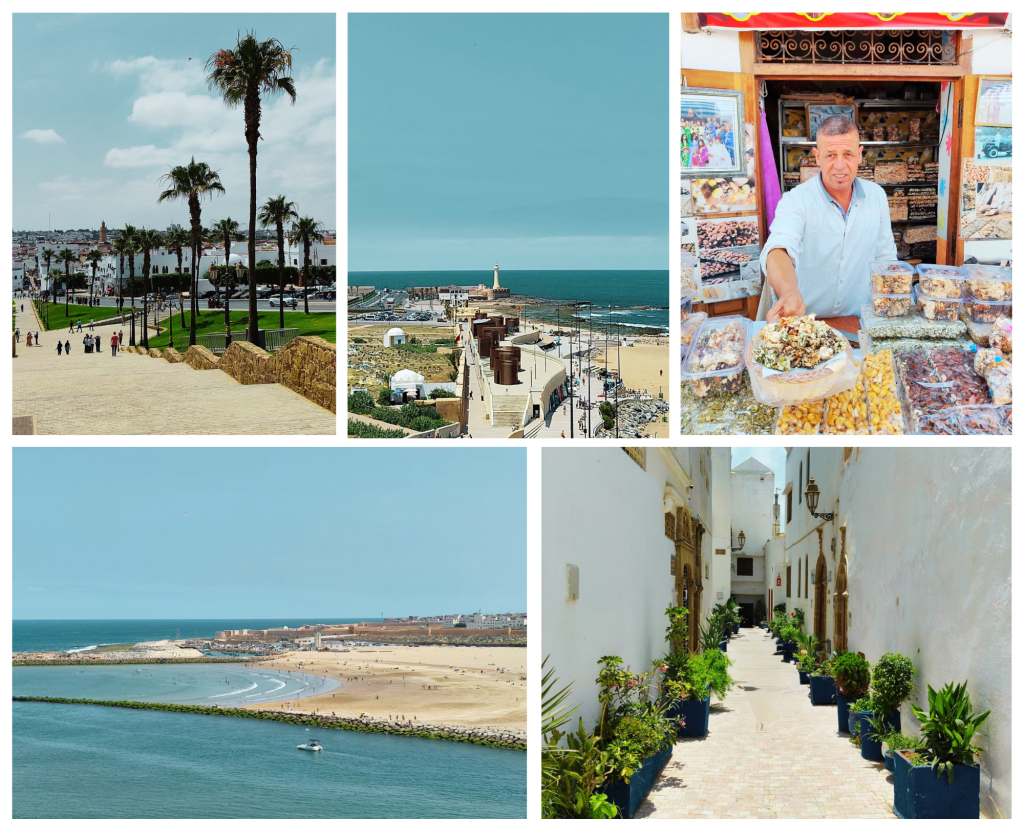
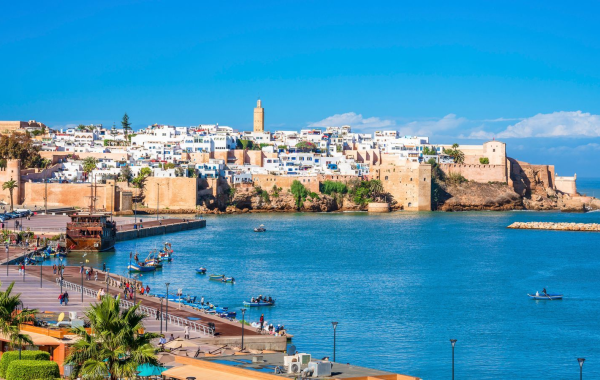
Perched above the Bou Regreg estuary, the Kasbah des Oudaias stands on the site of the original ribat, or fortified monastery, from which Rabat takes its name. Behind the ornate 12th-century Bab Oudaia, quiet lanes wind past white-and-blue houses, many built by Andalusian refugees from Spain. Rue Jamaa leads to the 12th-century Mosque el-Atiqa, Rabat’s oldest mosque, before continuing to the Plateforme du Sémaphore, with sweeping views across the river, ocean and neighbouring Salé. From here, you can often watch surfers riding the Atlantic waves at Oudaias Beach, directly below the kasbah. Nearby, the Andalusian Gardens offer a shaded retreat beside a 17th-century palace that now houses the National Museum of Adornment, while the terrace of Café Maure is a popular stop for mint tea overlooking the river.
Its permanent collection traces the evolution of Moroccan art through works by leading artists.
Discover Rabat’s Bold New Architecture
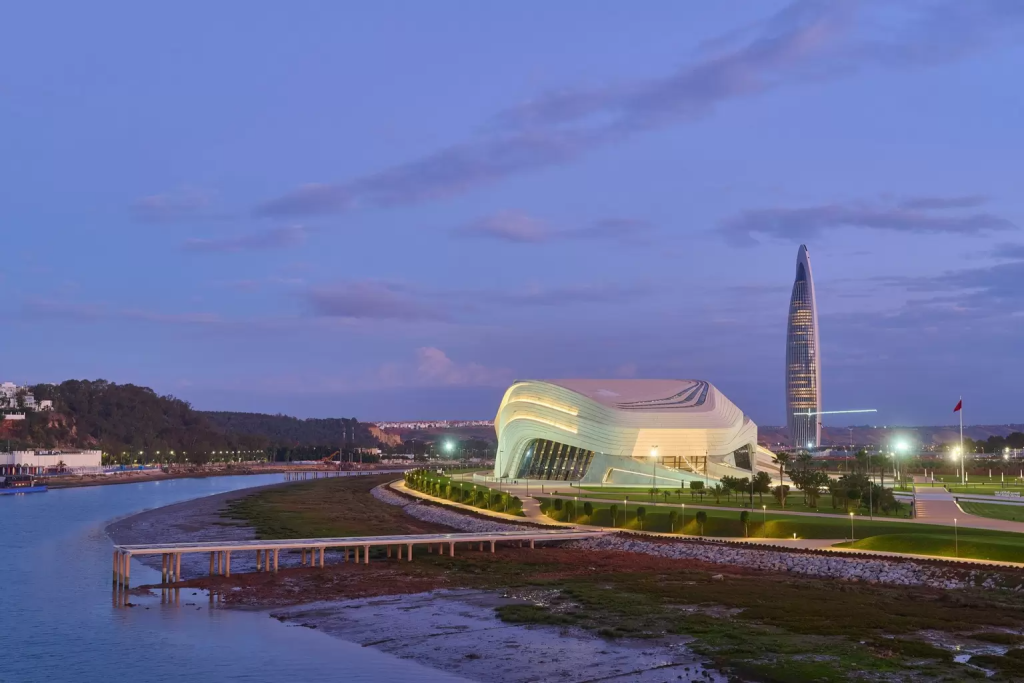
Rabat’s changing skyline is best discovered through an architectural trail beginning in the Art Deco New City, home to Rabat Ville station, the central post office and the Mohammed VI Museum of Modern and Contemporary Art. Its permanent collection charts the evolution of Moroccan art through works by leading artists. From here, the city’s architecture takes a futuristic turn. Inspired by the curves of the Bouregreg River, Zaha Hadid’s fluid Royal Theatre of Rabat is one of Africa’s largest performing arts venues. Across the water in Salé, the 250-metre Mohammed VI Tower rises above the river, with panoramic views from its observatory and the Waldorf Astoria Rabat-Salé within.
Rabat’s luxury-hotel scene is also expanding. The Four Seasons Hotel Rabat at Kasr Al Bahr occupies a carefully restored 18th-century summer palace built for Sultan Moulay Slimane, while a new terminal at Rabat-Salé Airport is expected to increase annual capacity to five million passengers. Together, these developments reflect Morocco’s wider investment in tourism and infrastructure ahead of the 2030 FIFA World Cup, which it will co-host with Spain and Portugal.
WHERE TO STAY
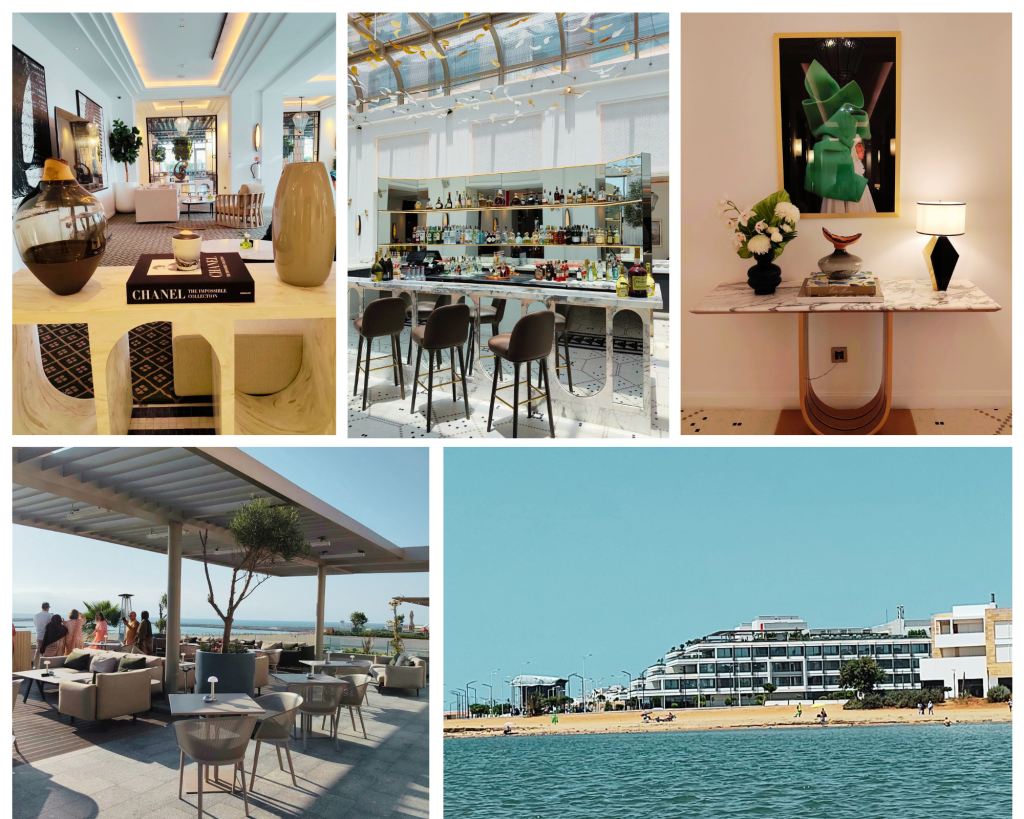
Fairmont La Marina: We stayed at the luxurious Fairmont La Marina in Salé, Rabat’s sister city across the Bou Regreg River. Small wooden boats wait by the waterfront to ferry passengers across to the capital, placing Rabat within easy reach.
The spacious rooms and public areas carry subtle references to Morocco’s craft traditions, with geometric tiled floors, hand-blown glass lanterns, and keyhole arches adding warmth to an otherwise restrained palette. Facilities include a rooftop swimming pool, fitness centre and several fine-dining restaurants. The highlight is Le Deck, the rooftop bar, where sundowners bring beautiful views of Rabat’s kasbah and the Atlantic.
The adjoining Marina de Salé is equally inviting in the evening, with a waterfront promenade, chic restaurants and a relaxed atmosphere along the river.
Waldorf Astoria Rabat-Salé: Set across the upper floors of the 250-metre Mohammed VI Tower, this striking new hotel offers sweeping views over Rabat, Salé and the Bou Regreg River from sunrise to sunset. French designer Pierre-Yves Rochon has echoed the tower’s flowing silhouette throughout the interiors, pairing contemporary luxury with an extensive collection of Moroccan art. The spa brings together Swiss treatments and Moroccan wellness traditions.
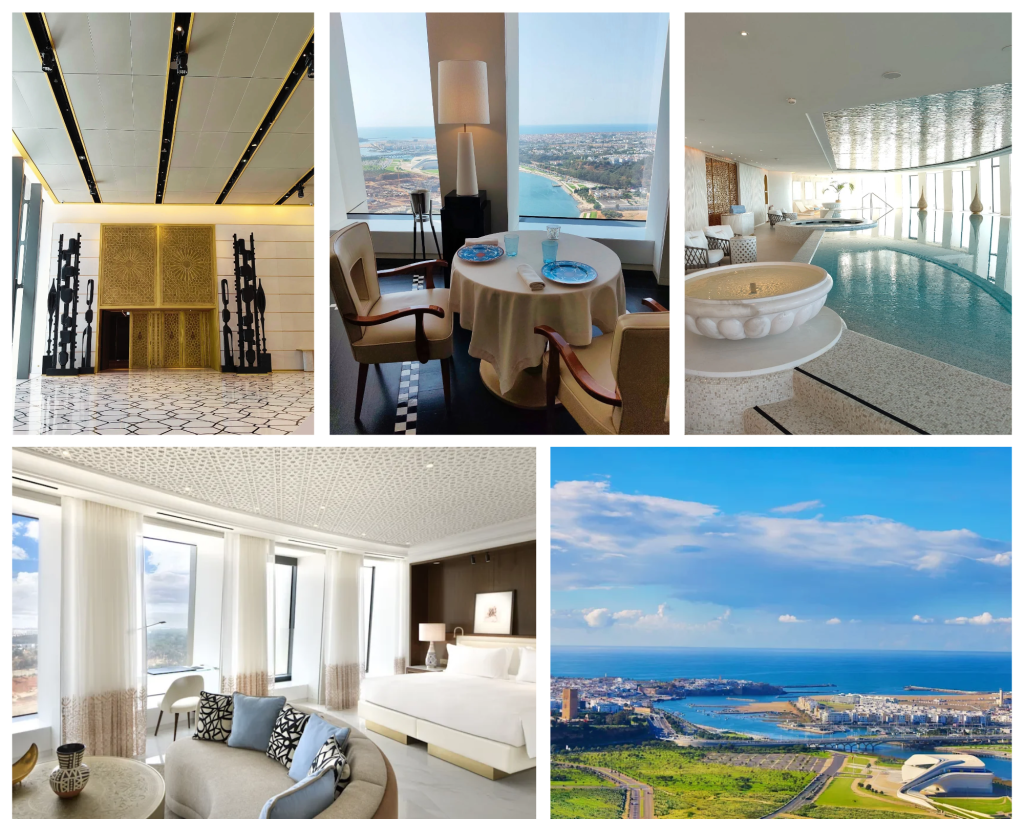
Dining is equally ambitious. Aldabaran by Alain Ducasse draws on the sunlit flavours of the French Riviera, while Brasserie Magnolia serves Moroccan and Levantine cuisine on an elegant terrace. At the heart of the hotel, Peacock Alley brings a touch of the original Waldorf Astoria New York to Rabat.
WHERE TO EAT
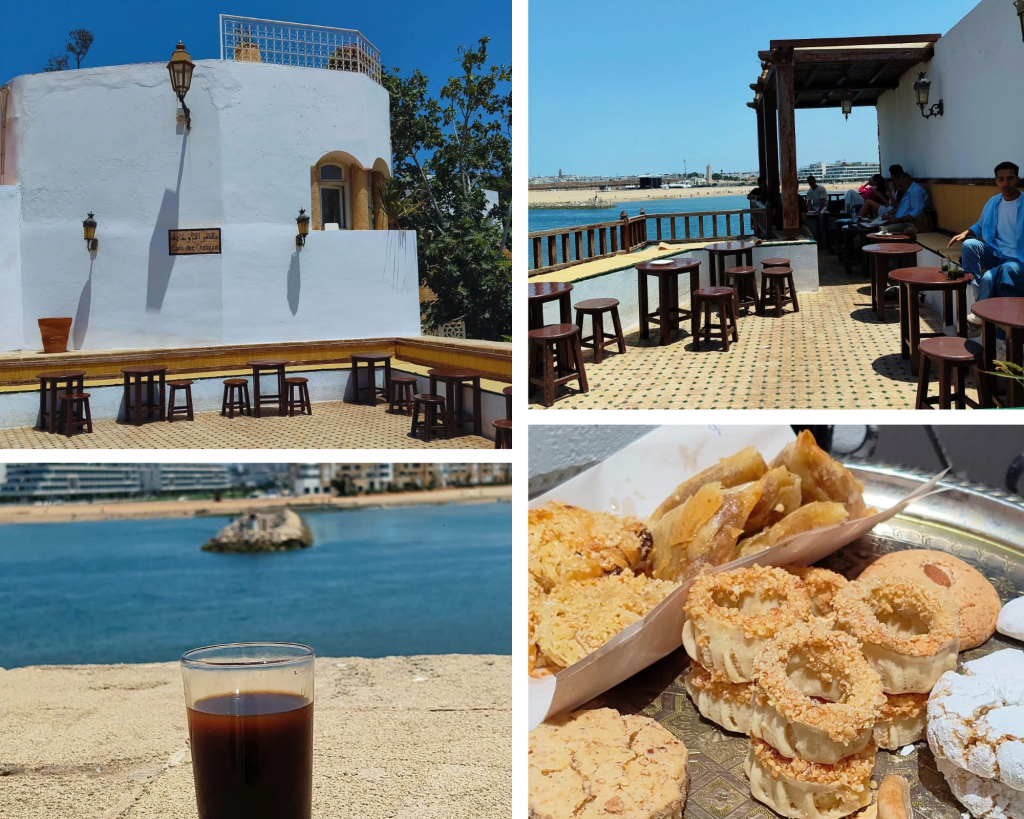
Tucked within the kasbah, Café des Oudayas, also known as Café Maure, is one of Rabat’s loveliest discoveries. Set along the edge of the citadel, its terrace looks across the Bou Regreg River towards Salé. Join locals, travellers and the café’s resident cats over a glass of Moroccan mint tea, accompanied by a selection of traditional sweets brought to your table.
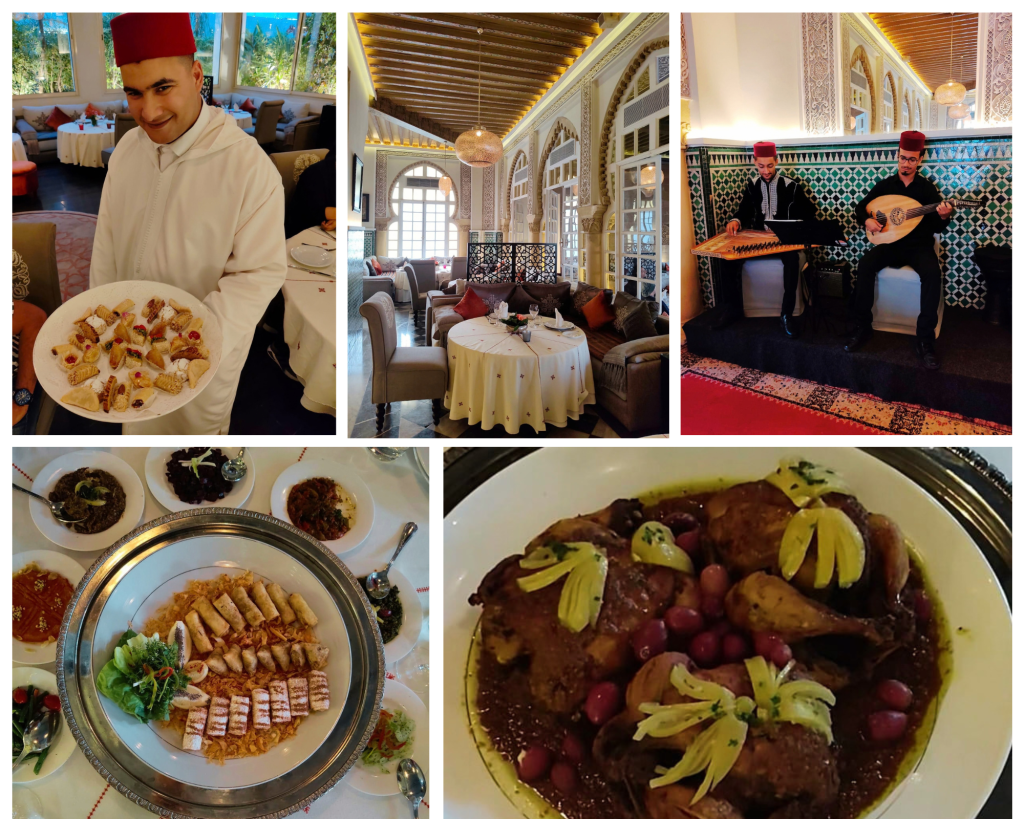
If you have time for only one meal in Rabat, make it La Maison Arabe, the fine-dining Moroccan restaurant inside Hôtel La Tour Hassan Palace. The softly lit dining room sets the scene, with glowing lanterns and the aroma of spices drifting from the kitchen. The menu celebrates traditional Moroccan cooking through crisp seafood pastillas, couscous and slow-cooked tagines. We devoured the lamb tagine: tender, deeply flavoured meat hidden beneath layers of carrot, cabbage, pumpkin, tomato, turnip, courgette and marrow, then finished with raisins and chickpeas. A fittingly indulgent finale, the meal presents Moroccan gastronomy at its most refined—rich in flavour, elegant in execution and deeply rooted in tradition.
Other local favourites are well worth seeking out. Ty Potes, set within a charming 1930s house near the Art Deco St Peter’s Cathedral, brings a touch of France to central Rabat. Come for the fondue, galettes, crêpes and charcuterie, accompanied by a well-chosen selection of Moroccan and French wines.
While exploring the medina, pause for lunch at Dar Zaki, an inviting address for traditional Moroccan cooking. Crisp seafood pastillas, fragrant tagines and generous plates of couscous make it an ideal stop between shopping and sightseeing
BEST TIME TO VISIT
Rabat’s mild coastal climate makes it a year-round destination. July and August are the warmest and busiest months, particularly on the beaches, while March to June and September to November offer pleasant weather with fewer crowds.
HOW TO GET THERE
Most international travellers arrive through Casablanca’s Mohammed V International Airport. A taxi to Rabat takes around 75–90 minutes, with fares starting at approximately 600 Moroccan dirhams.
Rabat has become one of my favourite places in Morocco. There is something wonderfully assured about the capital – its stately architecture, immaculate gardens, discreetly luxurious hotels, storied medina and sweeping Atlantic setting. Elegant without being ostentatious and cultured without feeling crowded, Rabat is a city of rare refinement, and an essential addition to any well-curated Moroccan itinerary.
For latest travel news and updates, food and drink journeys, restaurant features, and more, like us on Facebook or follow us on Instagram. Read more on Travel and Food Network
Related Coverage
24 Hours in Casablanca, Morocco: A First-Timer’s Luxury Travel Guide
Best of Morocco | 11-Day Luxury Tour Package
A New Yorker at heart, an unapologetic anglophile, national parks explorer and former head of National Geographic publishing in India, Ritika is the Global Editor for Travel and Food Network and leads all journalism across platforms, including news, digital, videos, and social media. She writes features focused on narrative storytelling, industry trends, destinations, culinary travel, and how-to advice and is an advocate for sustainable travel. You can follow her on Instagram @newyorkeratheart