

Explore Zagreb, Croatia’s capital, known for its café culture, contemporary art, and emerging food scene—perfect for a stylish European city break.
Croatia’s sun-drenched Adriatic coastline, dotted with more than a thousand islands, often steals the narrative. Yet, beyond the shimmer of the sea, Zagreb carries a quiet charm that feels both effortless and compelling. As the youngest member of the European Union (since July 2013), Zagreb has emerged with a distinct creative pulse and a quietly confident culinary revival—a city where old-world charm meets contemporary reinvention. It’s a place where long espresso breaks on sunlit terraces remain non-negotiable, and where a growing collective of creatives is reimagining forgotten corners of the city. That intersection—tradition layered with a new creative energy—is what gives Zagreb its unmistakable edge.
Day 1
Morning: Hilltop Highlights
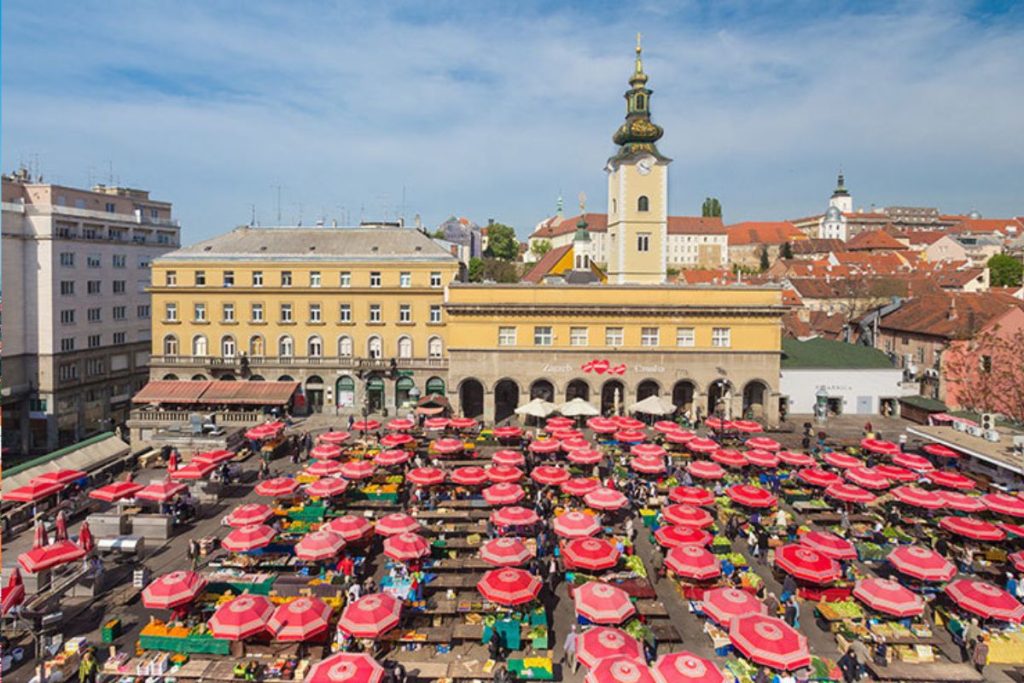
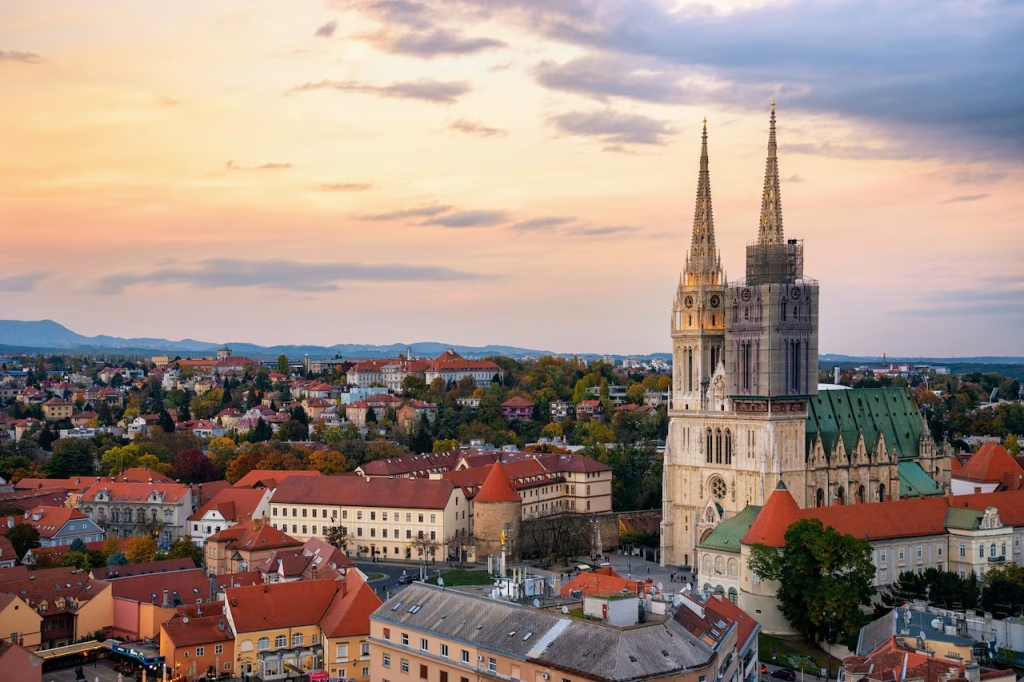
Begin the day at Zagreb Cathedral—also known as the Cathedral of the Assumption of the Blessed Virgin Mary—where the city’s story first took shape in the 11th-century bishopric of Kaptol. The city’s most iconic photo spot stands on this very site, where Zagreb was first founded. What rises here today is a striking neo-Gothic landmark, rebuilt in 1880, its twin spires piercing the skyline at 354 feet. From here, a short three- to five-minute walk leads to Trg bana Jelačića—the city’s central square and its unmistakable social pulse. Framed by Habsburg-era architecture and anchored by a bronze statue of the 19th-century ruler, it’s where trams intersect, conversations linger, and the city gathers. From here, follow the gentle climb toward Dolac Market, a daily ritual since 1930, where stalls overflow with seasonal produce, local cheeses, and artisanal honey. Don’t leave without sampling sir i vrhnje—a simple yet iconic pairing of cottage cheese and cream.
Continue upward to Lotrščak Tower, a 13th-century sentinel that once guarded the city. Today, its reward is panoramic: a sweep of terracotta rooftops stretching into the distance. At noon, a cannon blast echoes across the city—a tradition that has marked time here since 1877.
Just steps away, the Museum of Broken Relationships offers a more intimate perspective—a quietly poignant archive of love lost, told through objects as ordinary as shoes or as symbolic as handwritten notes. For lunch, settle into Konoba Didov San, where rustic Dalmatian flavours—think slow-cooked meats and deeply rooted regional recipes—bring a sense of tradition to the table. Alternatively, make your way to Mali Bar, a long-standing favourite in Zagreb’s dining scene. The menu moves between meat and seafood, with thoughtful vegetarian and vegan options, all presented with a fresh, contemporary twist that consistently surprises.
Afternoon: Boutiques, Design & Coffee Culture
Back in Lower Town, Ilica Street unfolds as one of Zagreb’s longest and most character-filled avenues, lined with boutiques, bakeries, and design-forward spaces. Tucked within courtyards, Prostor showcases the work of emerging Croatian designers—from experimental jewellery to eco-conscious home pieces.
Nearby, the I-GLE boutique presents a sharper aesthetic—structured silhouettes, sculptural forms, and distinctly modern Croatian fashion. Pause at Eliscaffe, where award-winning barista Nik Orosi serves meticulously brewed 100% Arabica coffee, turning a simple cup into a ritual.
Evening: Barbecue & Blues
Dinner at Vinodol is a return to Zagreb’s Central European roots. Whether seated on the ivy-draped terrace or within its vaulted interiors, the experience is anchored by traditional dishes prepared in time-honoured ways—slow-baked meats, seasonal vegetables, and delicate strudels layered with fruit.
Later, the mood shifts at VIP Club, where live jazz and blues spill into the night, drawing a convivial crowd that blends locals and visitors with effortless ease.
Day 2
Morning: Art in Motion
Zagreb’s creative spirit spills onto the streets—most notably along the graffiti-lined stretch that sparked the Museum Street Art project, an evolving open-air gallery shaped by over 80 artists.
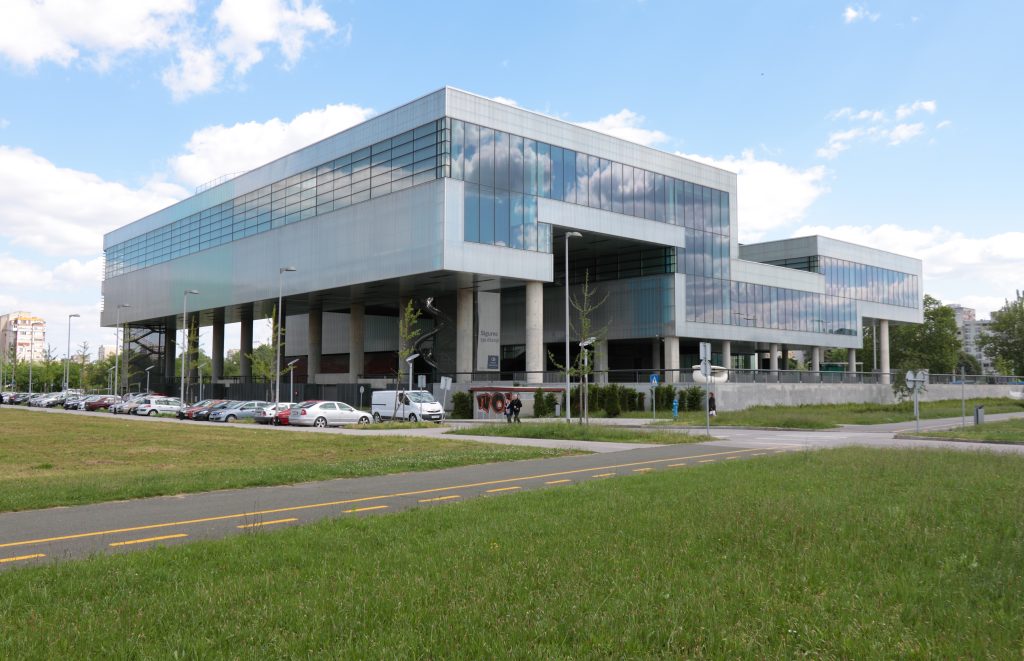
Cross the Sava River to the Museum of Contemporary Art, a striking modern structure housing more than 12,000 works. Its standout feature? The “Double Slide”—a playful yet surreal installation that turns the museum into an experience.
In the industrial west, Lauba—a former Austro-Hungarian riding arena—now stands as a bold black monolith of contemporary expression, hosting rotating exhibitions that push artistic boundaries. It’s here that Zagreb’s creative future feels most tangible.
Afternoon: Gardens & Indulgence
For a slower pace, wander through the Botanical Garden, established in 1889. Its 10,000 plant species are arranged across carefully designed landscapes—from English-style arboretums to French floral layouts and rock gardens featuring native flora.
Lunch unfolds along Tkalčićeva Street, where cafés spill onto the pavement. At Rakhia Bar, explore rakija in its many forms—from honey-infused to fig-based, each sip reflecting local tradition.
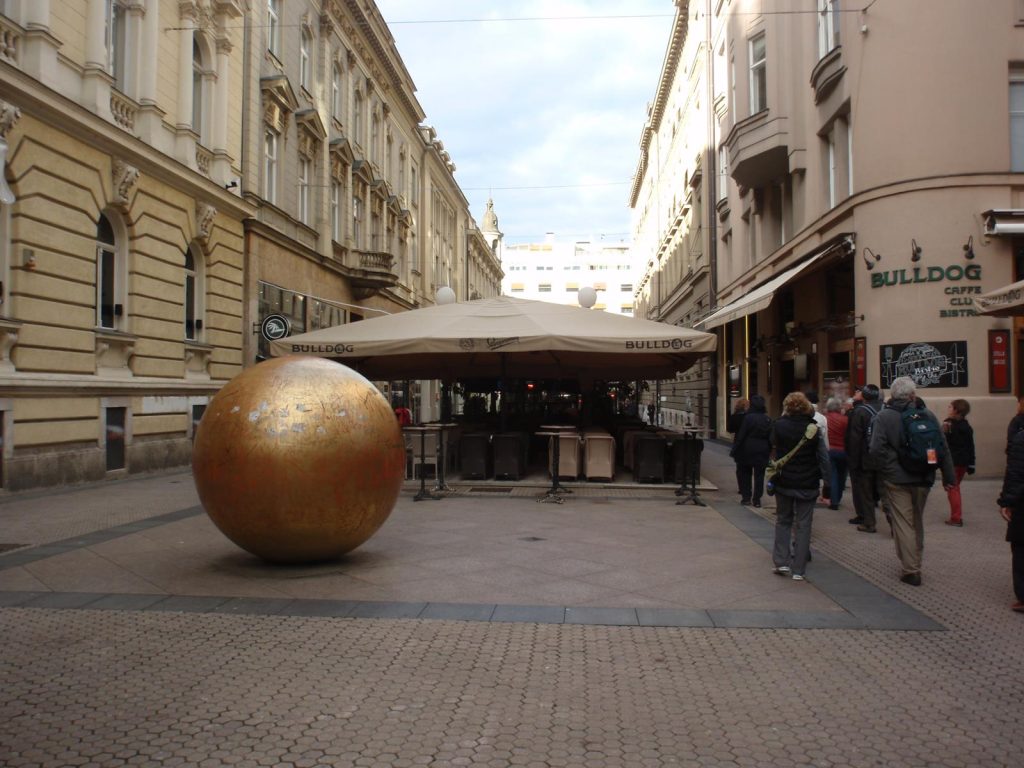
Keep an eye out for Zagreb’s most curious installation: “Nine Views”, a citywide art project that places scaled models of the solar system across different streets—a quiet invitation to explore the city with fresh perspective.
Evening: A Fitting Finale
As evening sets in, head toward a tucked-away culinary enclave near Vlaška Street. At Mali Bar, chef Ana Ugarković’s menu leans into refined, globally inspired tapas, where dishes like smoked tuna with saffron sauce stand out.
Next door, Karijola offers a more relaxed indulgence—thin-crust pizzas topped with fresh, seasonal ingredients. For a final drink, step into Kino Europa, a historic cinema turned café-bar, where art-house screenings meet a laid-back evening crowd.
End the night at Stross, an open-air promenade alive with music, soft lighting, and sweeping city views—a place where Zagreb, in all its understated charm, quietly lingers.
Zagreb doesn’t demand attention—it rewards curiosity. It’s a city best experienced slowly, where the charm lies in the in-between moments: a lingering coffee, a hidden courtyard, a conversation that stretches longer than planned. In a country known for its dramatic coastline, Zagreb proves that sometimes, the most compelling stories unfold away from the obvious.